Chinese Actress Zhang Yifan’s “Leg‑Pillow” Clip Goes Viral, Igniting Celebrity, Body‑Image, and Social‑Media Debates.
When a clip of Chinese actress and dancer Zhang Yifan resting her head on her own leg went viral on Weibo, it sparked more than a few amused comments – it became a flashpoint for conversations about celebrity culture, social‑media dynamics and the pressures of body image in China’s entertainment industry.
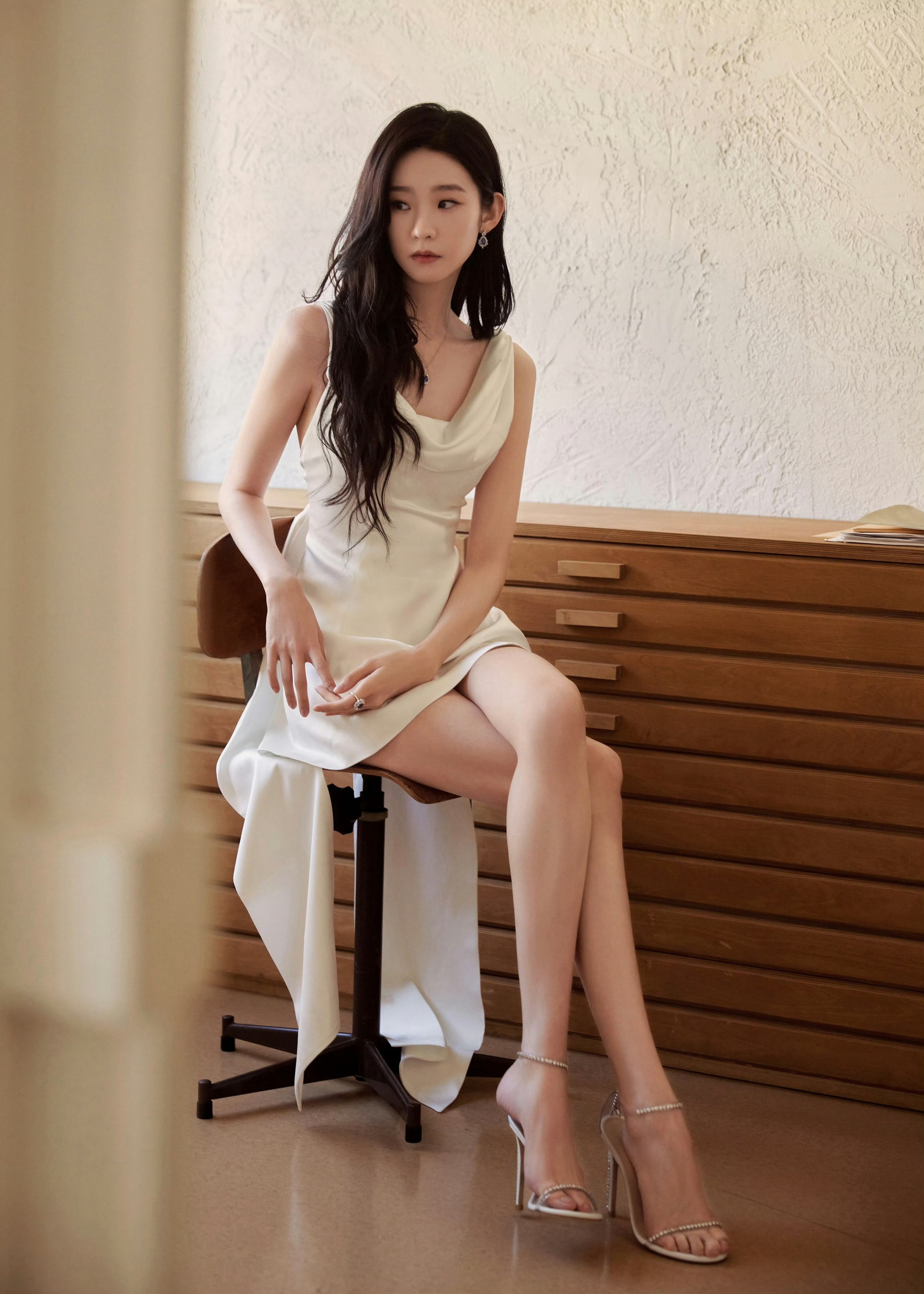
In the brief video, the 27‑year‑old, best known for her role in the popular variety show 《姐姐妹妹抓娃娃》 (“Sisters and Sisters: Claw‑machine Challenge”), leans against the back of a car seat, folds one knee, and uses the elongated limb as a makeshift pillow. The scene, captured in what appears to be an informal, sleepy moment, quickly circulated under the caption “张艺凡用腿当枕头,” loosely translated as “Zhang Yifan used her leg as a pillow.” Within hours, the phrase trended on Weibo, prompting thousands of netizens to replay the clip, mimic the pose, and debate the actress’s unique physicality.
For observers outside China, the episode may seem trivial – a celebrity finding comfort in an unconventional way during a travel segment. Yet the rapid spread of the video underscores how even the most mundane moments can become cultural touchstones when paired with the right combination of visual novelty, personal charisma, and platform algorithms.
Zhang’s ability to pull off the stunt is not accidental. She stands at roughly 178 centimeters (about 5’10”) and has a background in ballet, which gives her both the flexibility and leg length to turn a simple knee into a “pillow.” In the highly competitive realm of Chinese pop culture, where looks, talent and novelty are all commodities, such physical traits can translate into marketable “unique talents.” Talent agencies, already keen to spotlight anything that differentiates an artist, may now look for or cultivate abilities that lend themselves to easily shareable, visually striking moments. The phenomenon could signal a shift toward promoting celebrities not just for their acting or singing, but for distinctive physical capabilities that can be turned into viral content.
The incident also highlights the sheer power of short‑form video platforms. Weibo, TikTok’s Chinese counterpart Douyin, and other apps thrive on fast, digestible clips that invite immediate replication. Within days of the original upload, countless fans posted their own versions of “leg‑pillow” attempts, some playfully mimicking Zhang’s pose, others turning it into a broader challenge. The participatory nature of these memes reflects a growing appetite for interactive content: audiences no longer want to passively consume celebrity moments; they want to join the narrative, to become part of the joke.
From a marketing perspective, the “leg‑pillow” episode offers a template for “relatability through extraordinary feats.” While the act itself is physically impressive, it occurs in a low‑stakes, everyday setting – a car journey, a moment of rest. This juxtaposition gives fans the dual impression that the celebrity is both aspirational (possessing a rare physical attribute) and accessible (caught in an unguarded, human moment). Brands and producers may therefore craft future segments that blend spectacle with authenticity, hoping to capture the same blend of awe and intimacy that propelled the Zhang clip into public consciousness.
That said, the viral spread also carries less flattering side effects. The clip has inadvertently fueled discussions about body image in a country where height and slenderness are already prized standards. Some users expressed admiration for Zhang’s physique, while others noted how the scene could set unrealistic expectations for ordinary viewers trying to emulate the pose. The line between admiration and unhealthy comparison can be thin, and the rapid amplification of such moments risks cementing a narrow ideal of beauty and physical ability.
The episode also serves as a reminder of the fleeting nature of internet fame. In a digital environment saturated with memes, challenges, and “micro‑celebrity” moments, a single quirky act can catapult a name into trending lists, only for it to dissolve as quickly as it appeared. While Zhang Yifan’s career remains anchored in her broader body of work – acting, dancing, and participation in high‑profile variety shows – this particular clip illustrates how a brief, perhaps unintended, moment can temporarily elevate a figure to “viral celebrity” status, detached from longer‑term artistic achievements.
Political implications appear minimal. The clip does not intersect with policy or governance, nor does it provoke any overt political commentary. However, the Chinese government’s broader approach to regulating celebrity culture and social‑media activity could eventually factor into how such viral moments are managed. If short‑form videos are deemed to promote unhealthy body standards or otherwise unrestful content, regulatory bodies might intervene, as has happened in other contexts within the Chinese media landscape.
In the absence of a clear timeline or deeper reporting – searches on Weibo and major search engines turn up the phrase “张艺凡用腿当枕头” but yield few substantive articles – it is difficult to pinpoint exactly when the video first aired or how it was edited for broadcast. Nonetheless, the sheer volume of shares and the persistence of the meme on Chinese social platforms attest to its impact.
In sum, what began as a casual hotel‑room rest by a tall, ballet‑trained actress has morphed into a case study of modern celebrity dynamics. It demonstrates how a blend of physical uniqueness, platform virality, and audience interactivity can turn an everyday moment into a cultural flashpoint – a reminder that, in the digital age, even the simplest of gestures can echo far beyond the car seat where they originated.