Chinese Adaptation of 'The Three-Body Problem' Outshines Netflix Version, Sparks Debate on Cultural Representation
The Chinese adaptation of Liu Cixin's sci-fi classic “The Three-Body Problem” has garnered significant attention on Weibo, with many praising the production for its superior special effects and intense character portrayals in comparison to the Netflix version.
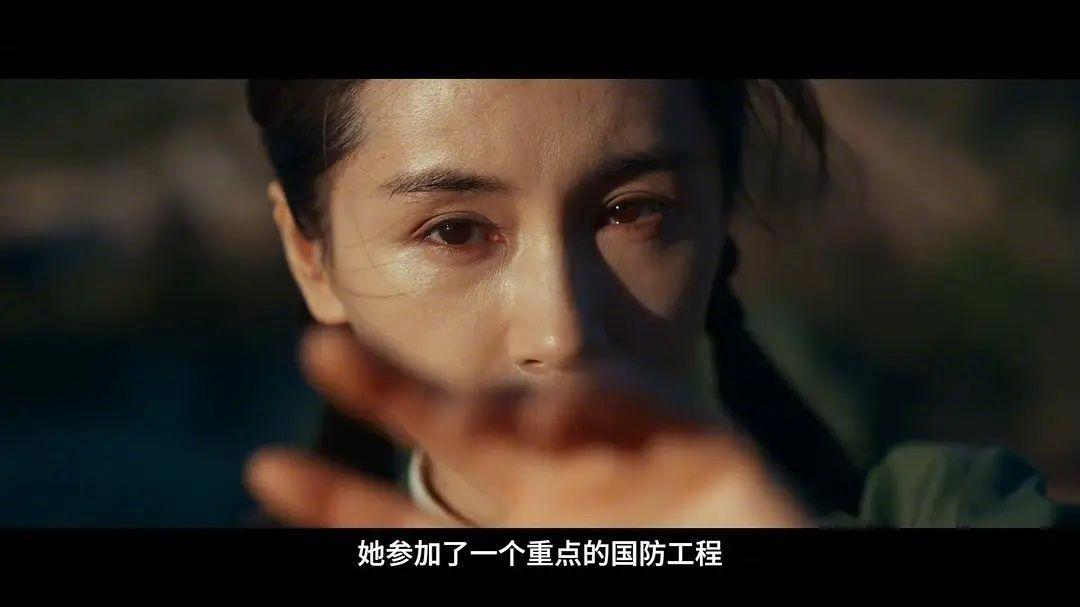
The show has generated a buzz on social media, resulting in a lively debate among viewers. The iQiyi (腾讯) adaptation, has been highly praised by Chinese audiences and attracted millions of viewers, who have taken to social media to express their appreciation for the show's commitment to the original novel. The show has received a metascore of 9.0 on Douban, a leading Chinese media rating platform, with users praising the drama's elaborate visual effects and compelling narrative. On the other hand, the Netflix adaptation has faced criticism from some Chinese viewers who feel that the portrayal of characters and the depiction of certain scenes do not align with the book's original content.
However, it attracted a large international audience, with the second installment "Dark Forest" announced in September 2021. One of the main points of contention is the casting of foreign actors for Chinese characters, a decision that has been criticized as an example of Hollywood whitewashing.
The show's depiction of the character Lei Wenjie, played by actor Eiza González, was particularly panned by Chinese viewers, who argued that the character's backstory and personality were misrepresented in the adaptation. In contrast, the iQiyi series showcases stellar performances by actors Wang Ziwen and Cheng Xiao, who portray Lei Wenjie in different stages of their lives.
Many Weibo users have praised the Chinese adaptation for its accurate representation of the book's characters and storyline. Apart from the casting choices, viewers also debated the special effects and visual storytelling of the two adaptations. While the Netflix series has been lauded for its cinematic quality and unique visual style, iQiyi's adaptation has been praised for its meticulously crafted visual effects and captivating use of Chinese cultural references, such as the traditional Chinese musical instrument, the guqin.
The show has sparked a broader conversation about the role of cultural adaptations in the global entertainment industry. Many Weibo users have expressed their desire for more accurate representations of Chinese culture and history in cinema and television. Some have argued that the success of the Chinese adaptation of “The Three-Body Problem” demonstrates the potential for local productions to compete with international counterparts. In conclusion, the iQiyi adaptation of Liu Cixin's “The Three-Body Problem” has received widespread acclaim for its dedication to the source material and its striking visual effects, sparking a lively debate on social media.
While the Netflix adaptation has faced criticism for its casting and storytelling choices, it remains a popular international release. Both adaptations have contributed to a growing conversation about the role of cultural adaptations and the future of global storytelling. Debate and controversy continue to swirl around these adaptations, but one thing remains clear: the tale of “The Three-Body Problem” has captivated audiences across the world, proving the enduring power of science fiction in engaging with important questions about humanity and our future.