Chinese Embassy Issues Urgent Warning as Dutch Coffee‑Shop Drug Use by Chinese Tourists Sparks Diplomatic Tension
Chinese travellers in the Netherlands have recently found themselves at the centre of a growing diplomatic and public‑health controversy after a spate of incidents involving “cannabis cakes” and magic mushrooms triggered alarming episodes of mental disorientation and erratic behaviour. The Chinese Embassy in The Hague, reacting to what it described as “uncontrolled” drug use among its nationals, issued an urgent reminder on 21 August 2025 warning Chinese citizens that Dutch tolerance for soft drugs does not equate to a free‑for‑all and that violations of local law can result in fines, detention or criminal prosecution.
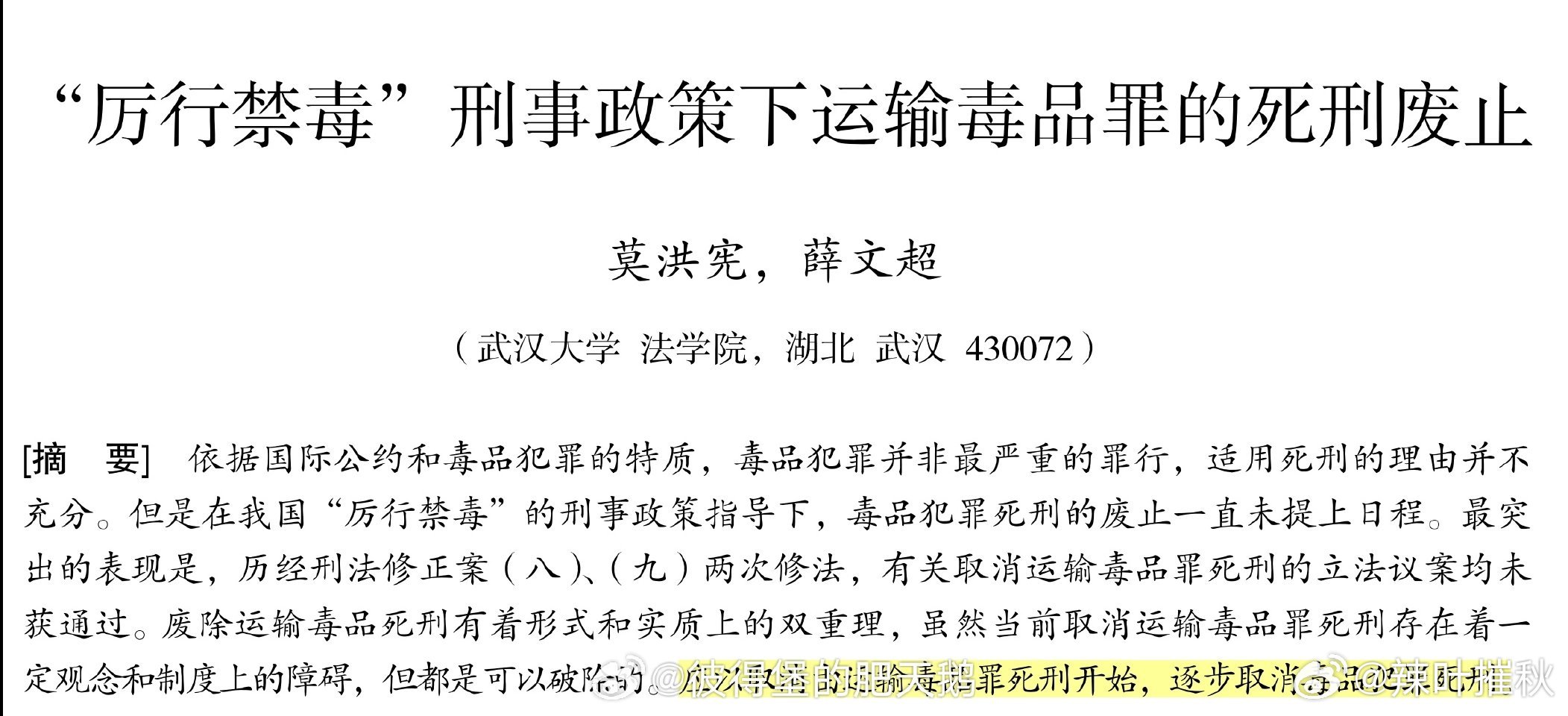
The embassy’s statement, circulated widely on Chinese social platform Weibo, emphasised that while the Netherlands maintains a so‑called “tolerance policy” for small quantities of cannabis‑derived products, the purchase, possession, consumption or resale of those substances remains tightly regulated. It urged Chinese students, tourists and other residents to refrain from experimenting with “cannabis cakes” – edible products infused with THC – and hallucinogenic mushrooms, which in recent weeks have been linked to cases of acute paranoia, hallucinations and sudden, sometimes violent, outbursts. The warning also underscored that transporting any of these substances out of the country is a criminal offence under both Dutch and Chinese law.
The incidents in question appear to have unfolded in the nation’s famed “coffeeshops,” venues that are legally permitted to sell soft drugs to patrons who can prove Dutch residency. Since 2019, Dutch authorities have required proof of a local residence permit before allowing entry, a rule aimed at curbing tourism‑driven drug consumption. Yet embassy officials allege that a handful of Chinese visitors have managed to bypass these safeguards presenting forged documents or by relying on the goodwill of shop staff. The result, they say, has been a cascade of health emergencies that have left families back in China “panic‑stricken” and forced local police to intervene on several occasions.
Dutch law enforcement’s role, while only tangentially mentioned in the embassy’s advisory, is nevertheless pivotal. The nation’s drug policy distinguishes between “soft” and “hard” substances, permitting the sale of cannabis‑related products licensed establishments but criminalising the possession of larger quantities, private transactions, and public consumption. Offenders caught with amounts exceeding the legal limit can face up to six years in prison and fines of up to €78,000. In practice, police have been instructed to monitor coffeeshops for compliance, and to intervene when foreign nationals appear to be flouting residency requirements. The recent cases have therefore placed Dutch authorities in the uncomfortable position of balancing their long‑standing liberal approach with the diplomatic pressure exerted by Beijing.
The Weibo discussion that followed the embassy’s alert reflected a mixture of outrage, concern and, in some quarters, calls for stricter controls. Users debated whether returning travellers should be subjected to mandatory drug testing at Chinese airports, and several commenters warned against a “lucky‑draw” mentality that assumes one can experiment with foreign drugs without consequence. Others pointed out that many Chinese tourists are unaware that the Dutch “tolerance policy” does not grant carte blanche; they are often surprised to learn that the same substances are illegal, and heavily punished, once they step off Dutch soil.
Historically, the issue of Chinese drug use abroad is not new. In 2020 the Chinese embassy already issued a reminder that Dutch drug laws carry severe penalties, and that Chinese citizens caught with prohibited substances could face up to six years imprisonment in the Netherlands. Earlier still, in 2014 Dutch legislation had relaxed penalties for personal possession of small amounts of narcotics, a move intended to focus policing resources on harder‑core traffickers. Yet the policy has never been absolute, and the 2019 residency rule for coffeeshop patrons was introduced precisely to prevent the very kind of cross‑border misuse now making headlines.
The implications of these recent episodes stretch far beyond the individual travellers involved. For Chinese authorities, the incidents provide fresh ammunition for domestic anti‑drug campaigns, reinforcing a narrative that drug abuse – however modest – is a grave threat to personal safety and national reputation. The embassy’s advisory explicitly urges students and other citizens to “stay away from drugs, cherish their lives and, in emergencies, contact the police or the Chinese consulate.” By framing the issue as both a legal and moral failing, Beijing may intensify public‑education efforts and consider tighter pre‑departure briefings for outbound tourists.
Diplomatically, the situation adds a delicate layer to Sino‑Dutch relations. While the Netherlands is unlikely to overhaul its pragmatic approach to soft‑drug regulation, the Chinese government’s vocal disapproval could spur more robust information‑sharing mechanisms between the two nations, especially concerning citizens who become entangled in legal proceedings abroad. If any of the flagged travellers were to return to China with a drug‑related conviction, they could face additional penalties under mainland law, known for its zero‑tolerance stance on narcotics.
For the tourism sector, the fallout may be swift. Outbound travel agencies in China could feel pressure to augment their pre‑trip counselling, highlighting not only cultural etiquette but also the specific legalities surrounding drug use in destinations like the Netherlands. Similarly, airlines and airport authorities might face public scrutiny over whether they should screen passengers for intoxication or drug residues on arrival, a logistical challenge that has yet to be addressed in most jurisdictions.
Health‑care providers, both in Europe and back in China, are also likely to see an uptick in enquiries. While the “cannabis cake” is marketed as a benign edible, its delayed onset can catch inexperienced users off guard, leading to overdoses that require medical attention. The embassy’s warning that “taking these soft drugs to other countries is a criminal offense” underscores the transnational risk: a traveller who consumes a product abroad may inadvertently bring it home in luggage or on their person, exposing themselves to severe legal jeopardy.
In sum, what began as isolated episodes of reckless experimentation in Dutch coffeeshops has blossomed into a multi‑dimensional issue touching on public health, legal compliance, diplomatic protocol and tourism management. The Chinese Embassy’s August 2025 alert serves both as a practical advisory for citizens on the ground and as a broader signal to the Chinese public that overseas drug use, even in jurisdictions with lax policies, carries real and potentially life‑threatening consequences. As authorities on both sides grapple with the fallout, the episode stands as a stark reminder that cultural curiosity must be tempered by an awareness of the legal realities that govern each nation’s borders.