Chinese Entertainment Industry in Transition: Hosts Shift Focus and Adapt to Changing Times
The Chinese entertainment industry has been buzzing with discussions and speculations about the recent changes in the careers of several popular hosts and performers. The spotlight has been on the current situation of Hunan TV's "Happy Camp" and "Day Day Up" artists, who have been making waves on social media, especially Weibo. One of the most talked-about topics is the shift in focus of the show's former powerhouse, Pang Bo, who has now signed with Li Xueqin Studio.
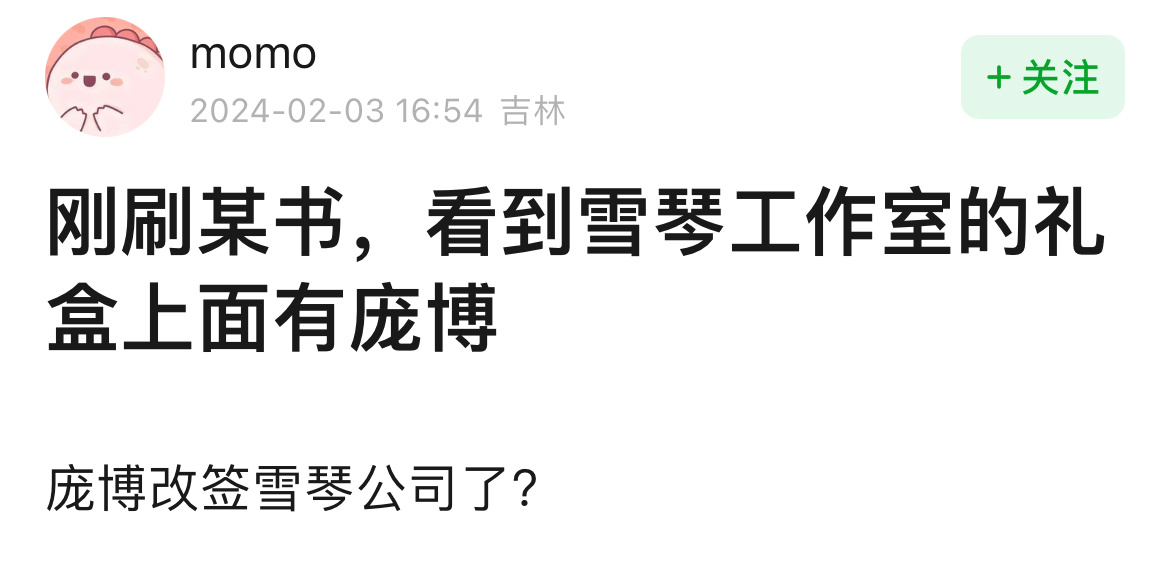
Fans have been expressing their opinions and feelings about this move, with some expressing disappointment while others approve of the decision. After the end of his popular show "Roast," Pang Bo has been working on multiple projects, including collaborations with Li Xueqin Studio and Wang Jianzhou. He has been taking on diverse roles, such as participating in other variety shows, acting, and even working on a web series. However, the lack of formal announcements regarding his new ventures has left many fans guessing about his future on Chinese TV. Yang Le, another popular host, has also been in the news recently for her partnership with Jiang Sidai for live streaming. Xiao Bei, a fellow artist, has delved into the world of product endorsements. Even Li Ben, known for his roles in comedy skits, has ventured into selling fashion accessories on various platforms. One user praised Zhao Xiaopu for being the most level-headed of the bunch, having participated in "CCTV Spring Festival Gala" and currently holding a steady job.
Another user lamented about the decline of some artists, blaming their lack of innovation and adaptation to the changing times. There is a common sentiment among fans who want their favorite artists to return to hosting duties, particularly in the fan-favorite "Roast" show.
They reminisce about the unforgettable times when these hosts kept them entertained and captivated. Some fans even long for the good old days when these shows were at their peak, while others have expressed frustration over the decline in the overall quality and content of entertainment programs on Chinese television. However, some viewers believe that it is only natural for hosts to fade away as time goes by, and that it is essential for them to keep up with the latest trends and consumer preferences. They argue that, as long as the entertainment industry keeps producing quality shows and content, it will continue to thrive and remain relevant to its diverse audience base. In conclusion, the Chinese entertainment industry is currently experiencing a period of transition and adaptation. As some hosts gradually fade into the background, others are stepping up to fill the void and captivate audiences with their unique talents and skills. It remains to be seen what the future holds for these artists and how the Chinese TV landscape will evolve in the coming years.