Chinese Social Media Buzzes with Debates on Parenting, Public Etiquette, and Judicial Responsibilities
The social media landscape in China is currently abuzz with discussions surrounding familial dynamics, the ethics of social behavior, and the compelling responsibilities upheld by the judiciary system. These conversations have sparked significant attention on platforms like Weibo, with netizens expressing a range of opinions on the subjects at hand.
One of the most talked-about topics recently involves actress Cherrie Ying and her parenting approach towards her 11-year-old son, Jasper. The hashtag #应采儿尊重Jasper不去饭局# (Cherrie Ying respects Jasper's choice not to go to gatherings) has drawn widespread acclaim and discussion. During a recent interview, when asked whether she listens to her child’s opinions, Ying stated, "Now that Jasper is 11 years old, I tend to respect his thoughts more.
For example, if there are some dinners or gatherings he does not want to attend, then he doesn't have to go. Putting myself in his shoes, it might indeed be boring to go out with adults." This sentiment has resonated with many users on the platform, with one commenter echoing widespread admiration:
"Good good good, yet another day to envy other people's children!" This progressive parenting style has sparked a myriad of reactions, highlighting the evolving attitudes towards child-rearing in modern China. Many netizens have praised Ying’s consideration of her son’s feelings, viewing it as a positive step towards respecting children’s autonomy. Such discussions are part of a broader cultural shift that values individual preferences and psychological well-being, even for younger family members.
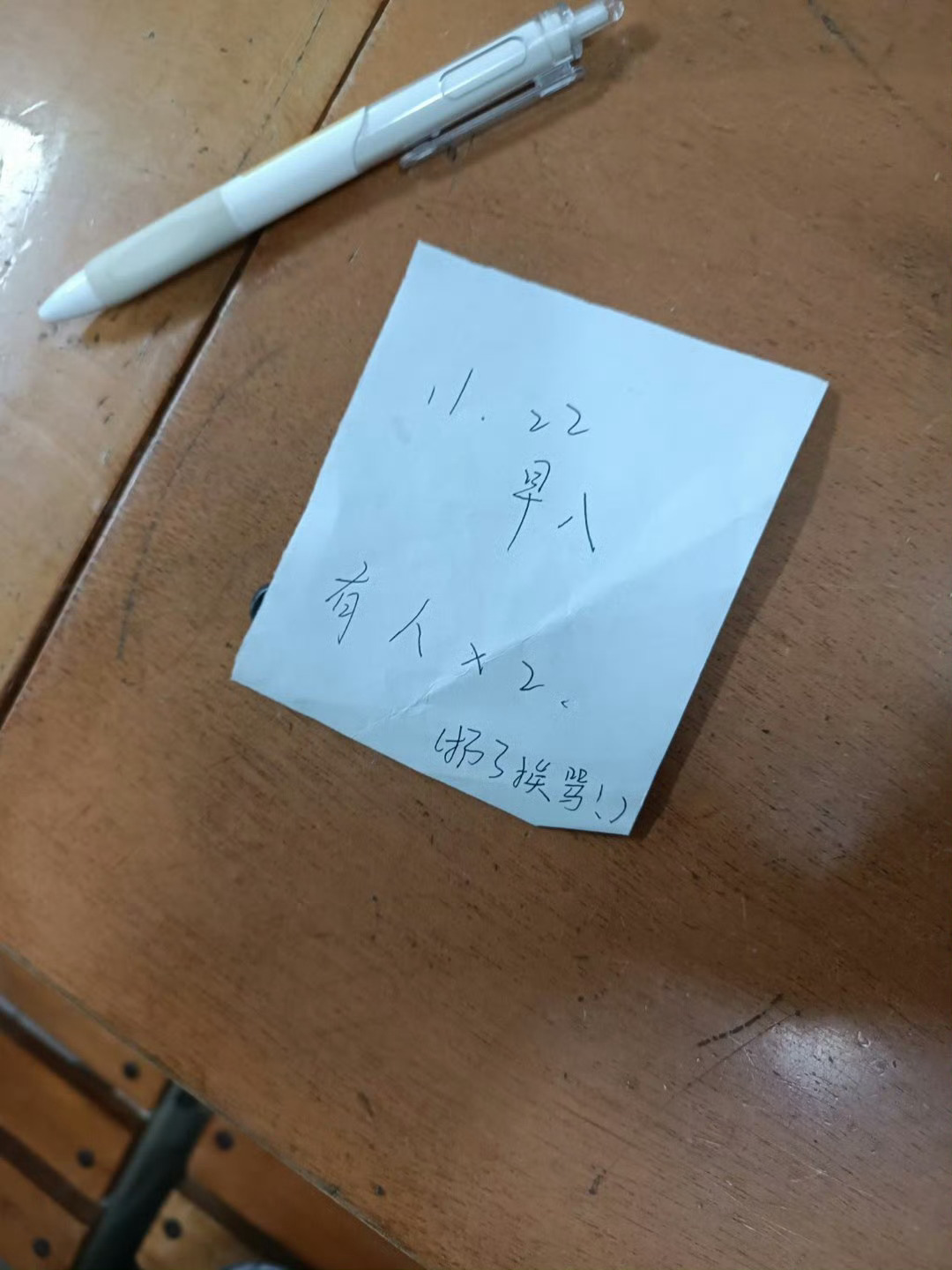
Meanwhile, another significant topic circulating on Weibo focuses on the ethical behavior in public spaces. Comedian Yang Di recently posted a video urging people to stop the practice of ‘occupying seats’ in public areas. The hashtag #杨迪呼吁不要占座# (Yang Di calls for an end to seat-hogging) has ignited conversations across the platform. In his video, Yang emphasized the inconvenience caused by seat-hogging, suggesting that if one encounters such behavior, they should play his video as a reminder of proper etiquette.
His plea has struck a chord with many, as indicated by various comments: "Indeed, seat-hogging is a bad habit," one user wrote, while another remarked, "Seeing some people occupy a whole row with just a single note is truly frustrating." Yang Di's video addresses a common grievance within the fabric of Chinese social behavior. The practice of reserving multiple seats in public venues has long been a contentious issue, and the comedian's efforts to bring it to the forefront have been widely appreciated.
Fans commended his continuous advocacy for social norms and proper conduct, with one enthusiast stating, "I really like Teacher Yang Di, he always calls out what should be done and what shouldn't be done." In addition to parenting and social etiquette, a more solemn topic has also captured significant attention.
A recent court ruling in Shandong's Heze City has stirred public debate, under the hashtag #夫妻离婚双方拒养抑郁症女儿# (Divorced couple refuses to care for depressed daughter).
The case involved a couple seeking divorce, both unwilling to take responsibility for their underage daughter, who is hospitalized for depression. The court ruled against their divorce application, citing that the child's need for parental care overrides the couple's disagreement. "The couple’s actions not only violate legal provisions but also go against public order and good customs," the court stated.
The ruling has prompted a mix of reactions from the public. While many support the court’s decision to prioritize the well-being of the child, others are concerned about the implications of forcing parents to stay in a dysfunctional marriage. "This is such a sad situation," one netizen commented. "But the girl's need for her parents' care is paramount." However, some users expressed reservations about the ruling, questioning whether maintaining the marriage is the best solution for the child’s mental health. "Staying together for the sake of the child might not necessarily be beneficial if the home environment remains toxic," another user pointed out.
These discussions reflect the complex and multifaceted nature of modern Chinese society, where traditional values often intersect with contemporary challenges. Whether it’s about respecting a child’s autonomy, promoting social etiquette, or navigating the responsibilities of parenthood amidst marital discord, these stories highlight the evolving nature of social norms and the significant public discourse surrounding them.
In summary, Chinese social media is currently a hotbed of conversation around key societal issues. Cherrie Ying’s respectful parenting approach has garnered admiration, Yang Di’s crusade against public seat-hogging has been widely applauded, and the judicial ruling on parental responsibility in Shandong has sparked thoughtful debate. These discussions underscore a society that is actively engaging with and reassessing its values, reflecting a dynamic interplay between tradition and modernity.