Chinese Taxpayers Face Disappointment with Supplementary Taxes
Excitement Turns to Disappointment: Chinese Taxpayers Face Supplementary Taxes As the end of the fiscal year approaches, Chinese taxpayers are looking forward to calculating and filing their annual income tax returns. Known as "年度汇算," this process allows taxpayers to claim a refund or pay any additional taxes owed for the previous year. But this year, the excitement of filing has been soured for many when they discover they owe substantial supplementary taxes. The yearly process of calculating and submitting income tax returns for the Chinese fiscal year, which runs from January 1 to December 31, is mandatory for many Chinese citizens and foreigners working in the country.
This year's filing period will take place between March 1 and June 30, 2024. The process is largely conducted online through the Personal Income Tax (PIT) APP and has become a popular topic of discussion on social media platform Weibo. Many netizens have shared their experiences, both positive and negative, with the filing process, often accompanied by screenshots of their tax refund or supplementary tax amount. Some users, like @Le, eagerly anticipated the refunds, only to be met with the news that they owed additional taxes. "So excited to file, only to find out I owe 18,000 yuan ($2,620)!
What a bummer," they wrote. In a response to their post, another user, @啊, shared their own disappointment: "I was so looking forward to getting a refund, but I ended up owing 10,000 yuan ($1,470)!
It's like the universe is playing a cruel joke on us." For others, their supplementary tax bill was a sign of success and a higher income. "I knew my income had increased, but I didn't expect to owe this much in supplementary taxes," one user shared. Another, @妇女丰雯妇, proudly declared, "I'm in the same boat, owing 20,000 yuan ($2,940). At least I know my hard work is paying off!"
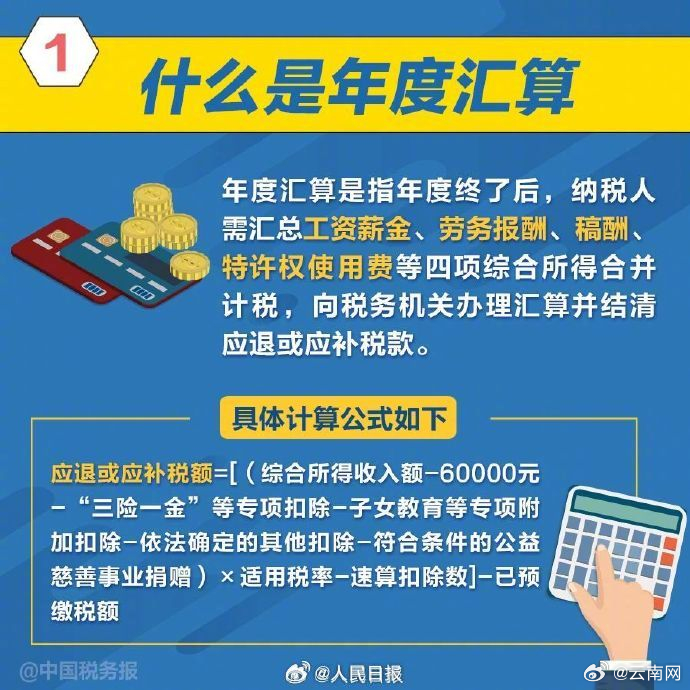
The calculation of the supplementary tax, known as "应退或应补税款," is based on several factors, including the individual's comprehensive income and various deductions such as taxes already paid, contributions to social security, and tax-deductible expenses like education and charitable contributions. The calculation formula can be complex and confusing for many taxpayers. In response to the supplementary tax bills, some Chinese taxpayers have expressed frustration and disbelief at the amount they are required to pay. @手把手教你个人所得税退税! shared their thoughts on the situation: "I knew there were people who owed supplementary taxes, but I didn't think it would be this much! It's absurd that people with a regular salary are being asked to pay so much extra." As more Chinese netizens share their experiences with filing their tax returns and the subsequent supplementary tax bills, the topic has become a hot topic of discussion on Weibo. Some users have even taken the opportunity to provide helpful tips and advice on how to maximize deductions and reduce supplementary tax burdens. Despite the disappointment and frustration felt by some taxpayers, the excitement surrounding the annual tax filing process remains high. Many users continue to share their experiences, both positive and negative, as they navigate the complex world of Chinese income tax.
As we approach the 2024 tax filing season, it is essential for Chinese taxpayers to be aware of the deductions available and the complexities of the supplementary tax calculation to prepare themselves for the potential of owing additional taxes. By understanding the system and seeking guidance from tax professionals or online resources, taxpayers can minimize the financial impact of supplementary taxes and make the most of the annual tax filing ritual. In conclusion, the annual income tax filing process in China has once again proven to be a source of both anticipation and disappointment for Chinese taxpayers. As taxpayers navigate the complexities of the supplementary tax calculation, it is essential to understand the deductions available and seek guidance from tax professionals to minimize the financial impact of owing additional taxes. With the next tax filing season just around the corner, Chinese citizens continue to share their experiences and seek advice on navigating the often-confusing world of Chinese income tax.