Ding Yuxi Tipped as Male Lead for New Xianxia Drama “Yue Du Hua Luo” Amid Fan Buzz.
The name “月都花落男主丁禹兮” may look like a cryptic string of Chinese characters, but it actually bundles three distinct pieces of information: the title of a new fantasy drama, a reference to its male lead, and the actor who is being tipped for that role. In plain English, the phrase translates to “Ding Yuxi, the male lead of *Sea of Flowers*,” or “Ding Yuxi, the male lead in the TV series *Sea of Flowers*.” The drama, officially titled *月都花落* (Yue Du Hua Luo), is an adaptation of the xianxia novel *月都花落,沧海花开* (“Moon City’s Falling Flowers, The Sea’s Blooming Flowers”) by author Jun Zi Yi Ze.
The story draws on ancient Chinese mythology, weaving in motifs from the Shiji (Records of the Grand Historian) and the Shan Hai Jing (Classic of Mountains and Seas). At its core is a love saga between Luo Wei, the little princess of the Suizhao clan—an otherworldly city perched on the moon—and Lord Yinzhe, a god of the sea. The series belongs to the increasingly popular “xianxia” (immortal hero) genre that blends historical fantasy with martial arts and supernatural powers.
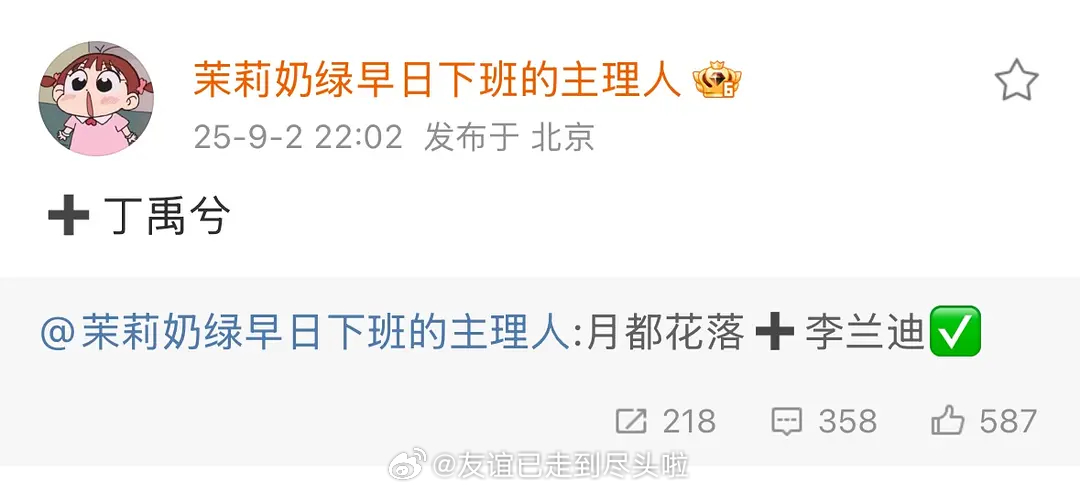
What has turned 月都花落 into a hot topic among Chinese netizens is not only its high‑budget production values, but also the buzz surrounding its casting. The male lead has long been the subject of speculation, with a parade of big names—Yang Yang, Tan Jianci, and others—circulating in industry chatter. In recent weeks, however, the spotlight has shifted decisively toward Ding Yuxi, a 27‑year‑old actor who rose to prominence in the 2024 drama 永夜星河 (Eternal Night River), where his portrayal of the charismatic “Musheng” earned him a #1 heat index and a wave of fan praise. His recent surge in popularity, often described in Chinese fan circles as “升咖” (an elevation to “A‑cup” status), has made him a prime candidate for the coveted role.
The production team, led by director Deng Ke and screenwriter Luo Xuan, appears to be leaning toward this choice. According to a report dated August 21, 2025, the project—colloquially dubbed “A Beautiful Destiny, Blooming Sea”—has already been in development for five years. The same source indicated that actress Li Landi is being courted for the female lead, and that once the male lead is confirmed, filming could commence as early as November. A separate article from five days ago suggested that Ding Yuxi’s “delicate and touching” performance style would be “the icing on the cake” for the series, underscoring the actor’s growing cachet among both producers and audiences.
Social media platforms, especially Weibo, have been tracking the drama’s traction in real time. Hashtags such as #檀健次李兰迪二搭月都花落# have gathered thousands of mentions, while users regularly query the “industry impact” of Ding Yuxi’s involvement. The “fandom economy” – a term that captures the financial and promotional power of devoted fanbases – is clearly at play. Fans churn out fan art, stream clips of Ding’s previous work, and flood the platform with “hot search” entries, all of which translate into higher visibility for the drama and its cast.
Yet the conversation is not uniformly glowing. Some commenters have expressed disappointment with what they see as a lack of “chemistry” between Ding Yuxi and his prospective co‑stars, comparing it unfavorably to earlier on‑screen pairings. Others note a sense of fatigue over repeated casting tropes, lamenting “recycled” acting moves that make “the screen feel awkward.” This tension reveals a broader industry dynamic: while an actor’s looks and existing fanbase can catapult a project to instant fame, audiences are also demanding fresh storytelling and genuine emotional connections.
The buzz around 月都花落 reflects several larger trends in China’s entertainment sector. First, the “star power” model continues to dominate production decisions, with casting choices often determined as much by social media metrics as by artistic fit. Second, the adaptation of popular web novels into television series remains a reliable formula for attracting viewership, especially in the xianxia niche that blends visual spectacle with mythic narrative. Third, platforms like Weibo and even YouTube, where Chinese actors increasingly seek cross‑border audiences, have become essential arenas for measuring success and shaping public perception.
Beyond commercial considerations, the rise of a drama like 月都花落 carries softer cultural implications. By reviving ancient legends and re‑imagining celestial deities, the series contributes to China’s cultural soft power, projecting a distinct aesthetic and mythological worldview both at home and abroad. Its popularity among younger audiences also underscores the growing influence of celebrity culture and consumerism on youth identity, a phenomenon that scholars link to a broader shift toward “fandom economies” across the globe.
In sum, the phrase “月都花落男主丁禹兮” encapsulates a confluence of literary adaptation, star‑driven marketing, and a digital fan culture that together shape the fortunes of modern Chinese television. Should Ding Yuxi secure the male lead, his upward trajectory from 永夜星河 to 月都花落 will likely cement his status as one of the new generation’s marquee faces, while the drama itself promises to be a flagship example of how ancient myth and contemporary media intersect in today’s Chinese pop landscape.