Huawei's Newest Big Bet on Wheels Is Dongfeng's 279,800-Yuan Yijing X9
Dongfeng and Huawei launched their co-created flagship SUV at a promotional price from 279,800 yuan — the sharpest test yet of Huawei's 'native co-creation' model, in which its driver-assistance system commands the whole chassis.
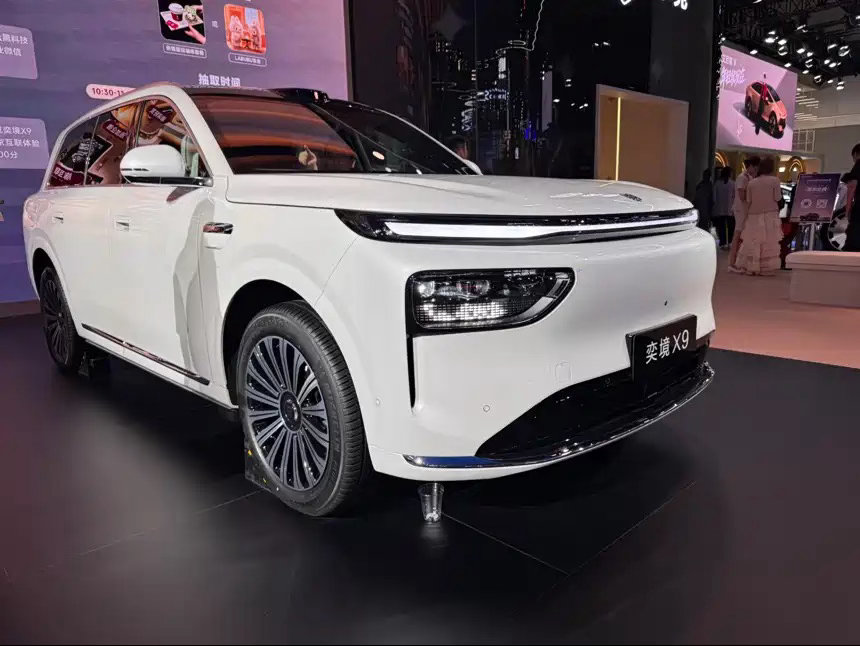
Dongfeng Motor put its biggest bet yet on Huawei on Thursday. Yijing, the large six-seat SUV the two companies co-created under a new brand, went on sale at a limited launch price from 279,800 yuan — the "killer price" of the day's trending headline.
The X9's spec sheet explains the hype. It is 4.97 metres long with a 2.99-metre wheelbase, runs a 1.5-litre range-extender good for 260 kilometres of battery-only driving and 1,220 kilometres combined, and carries Huawei's Qiankun ADS 5 driver-assistance system as standard across the range — with four lidar units, the detail launch posts kept returning to, calling it the only large six-seater under 300,000 yuan with that hardware. There is rear-wheel steering that shrinks the turning radius to a claimed 5.3 metres, "equal treatment" across all three rows of seats, and a 484-litre boot with six seats up — a package aimed squarely at two-child families.
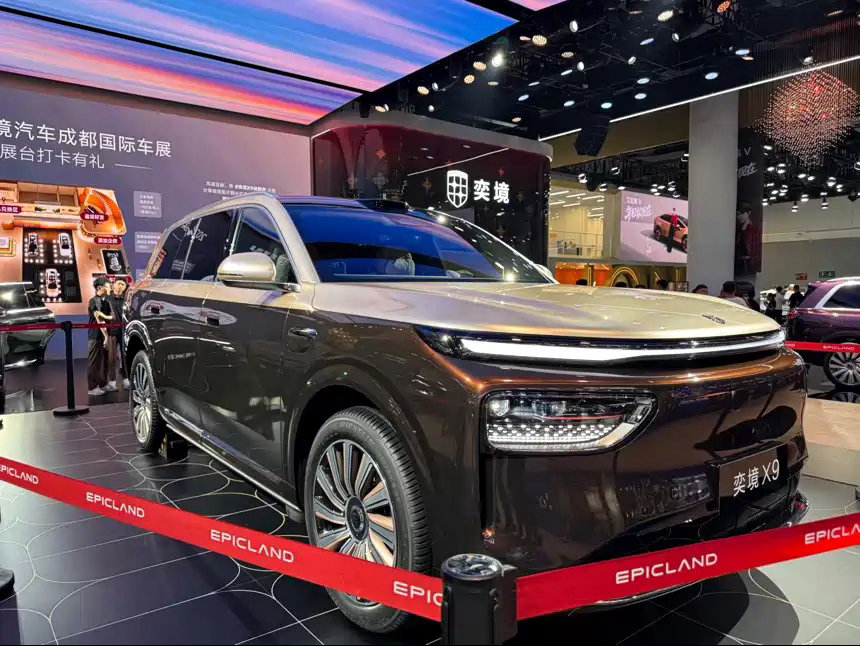
The structure behind the car is the story. Dongfeng has adopted Huawei's IPD and IPMS product-management systems wholesale, and roughly 5,000 engineers from the two companies have been working in one shared office. A post that spread after the launch put the deal in one line: "Dongfeng handed over the foundations of carmaking, and Huawei poured in the soul" (华为把灵魂灌进来). The wording is a deliberate echo of 2021, when SAIC's chairman rejected working with Huawei on the grounds that it would cost his company its "soul" — the most quoted sentence in the Chinese car industry's decade. Five years on, state-owned carmakers are volunteering theirs.
A Zhihu question trending on the platform frames the technical difference: most cars with Huawei assistance are "solutions on a car", in which the system negotiates with a controller; in a co-created model, the ADS 5 decision layer commands the chassis directly — steering, braking, suspension, rear-wheel steering. One arrangement tests whether the car can catch what the software asks; the other whether it can compute it.
This is Huawei's second act in the car business. After the AITO restructuring that put Seres back in the driver's seat, Huawei has spread Qiankun across more partners and steadily cheaper models, down to budget family cars. The wave continues this week: GAC's co-created Qijing GX7 went on sale the day before at pre-sale prices from 249,900 yuan and logged 20,000 orders in 18 hours, and executives from both GAC and Dongfeng called on Huawei's founder Ren Zhengfei before their launches, as industry posts noted.
For Dongfeng, a state-owned group that has, in the words of one launch post, staked its entire fortune on the bet, the X9 is the test of whether "native co-creation" sells cars rather than spec sheets. The order books over the next few months will supply the answer — and set the price of a soul for everyone watching.