“‘Dongji Island’ Film Elevates Forgotten WWII Rescue into Symbol of China’s Moral Backbone”
The Chinese coast off Zhejiang’s Zhoushan archipelago has long been a place where the sea’s temperament dictates daily life, but a new film has turned one of its quiet villages into a symbol of wartime heroism. Titled *Dongji Island*, the movie dramatizes a real episode from 1942 in which a handful of humble fishermen from the remote Dongji Island rescued hundreds of British prisoners of war after the Japanese cargo ship *Lisbon Maru* was torpedoed and sank in the East China Sea.
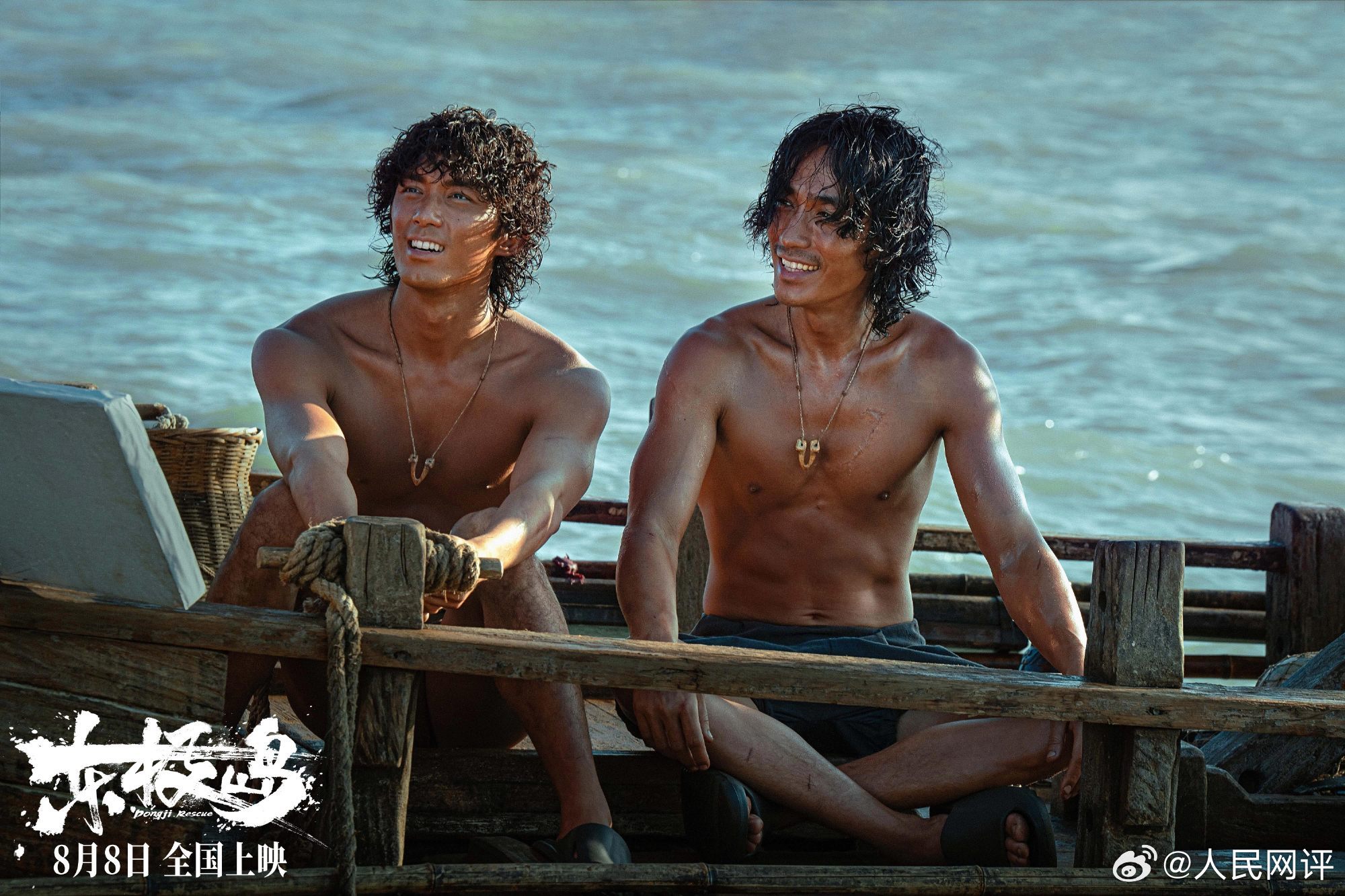
The rescue, driven by a simple but powerful maxim passed down through generations—“if there’s trouble at sea, you must help”—was carried out by men who could not read or write, yet whose actions have come to be described as a living embodiment of China’s moral backbone. According to the official review published on People’s Daily Online, the fishermen’s self‑less bravery illustrates a “moral principle etched in the very bones and blood of the Chinese nation.” The review, which quickly spread across Weibo, frames the film as an “epic showcasing the backbone of China,” and positions the story as a corrective to historical narratives that often overlook China’s humanitarian contributions during World War II.
Directors Guan Hu and Fei Zhenxiang spent six years and roughly 500 million RMB bringing the episode to the screen, investing heavily in period sets, a full‑scale reconstruction of the Lisbon Maru, and cutting‑edge underwater cinematography. The result, critics note, is a technically impressive work that rivals international war dramas in both scope and visual fidelity. Lead actors Zhu Yilong and Wu Lei have been singled out for their physical transformations and nuanced performances, adding human depth to a story that could otherwise have been reduced to a textbook account.
Beyond the cinematic achievement, the film and the People’s Daily commentary have sparked a broader conversation about Chinese values, historical memory, and the country’s soft‑power aspirations. By foregrounding a moment when ordinary citizens risked their lives to save foreign soldiers—British POWs fighting for the Allies—the narrative projects an image of China as a compassionate, responsible actor on the world stage. In a geopolitical climate where narratives of national strength are increasingly contested, the film’s emphasis on “humanity carved into the bones and blood of the Chinese nation” serves both domestic and diplomatic purposes.
The state‑endorsed review also reflects a deliberate strategy of narrative control. By highlighting the rescue as a defining act of Chinese righteousness, official media help to shape a collective memory that reinforces patriotism and social cohesion. Social media users have echoed this sentiment, praising the film’s historical accuracy and emotional impact while framing the story as a “counter‑kill” to any attempts to distort or diminish China’s wartime contributions. The discussion has spilled over into related policy topics, such as rural revitalization and marine tourism, with officials suggesting that the renewed attention to Dongji Island could boost local economies and promote coastal development.
Industry analysts see Dongji Island as part of a growing trend in China’s film sector: high‑budget historical dramas that marry commercial spectacle with state‑approved moral messaging. The substantial investment and the People’s Daily endorsement are likely to encourage similar projects, as producers recognize that official backing can translate into wider distribution, higher box‑office returns, and an elevated status within the increasingly nationalist cultural marketplace.
For Western audiences, the film offers a compelling window into a lesser‑known facet of World War II history, one that underscores the universality of humanitarian impulse even amid the horrors of conflict. It also illustrates how contemporary Chinese cinema can serve as a vehicle for both artistic expression and strategic storytelling, weaving together personal sacrifice, cultural values, and national identity into a single, sweeping narrative.
As Dongji Island continues to draw audiences across China and garners attention abroad, it stands as a reminder that the tides of history are often shaped not only by armies and governments, but also by the quiet resolve of ordinary people who, when faced with danger, choose to extend a hand to strangers in need.