WeChat, Taobao and 151 Other Apps Block ByteDance's AI Phone Agent
ByteDance's Doubao assistant can read a phone's screen and tap through apps like a human. On October 14 its public-comment period closed with 151 apps — WeChat, Taobao, Alipay among them — formally refusing to let it operate, drawing the battle lines for AI agents in China.
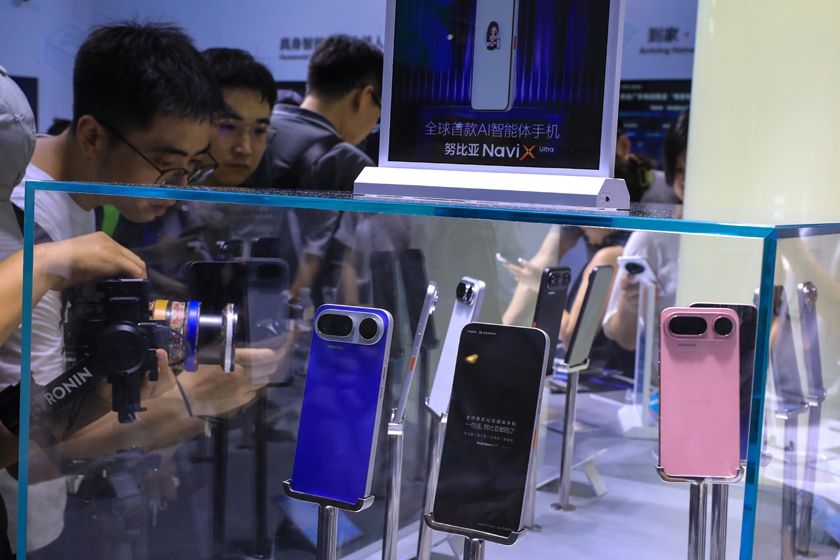
ByteDance's bet on the next phase of AI is an assistant that doesn't just chat but acts: it reads your phone's screen, works out what it is looking at, and taps through apps on your behalf. China's biggest apps have now given their collective answer to that idea. On October 14, the public-comment period for the Doubao phone assistant's "screen automation operation declaration protocol" closed, and the service published its latest list of apps that refuse to let it operate: 151 in all, among them WeChat, QQ, Taobao, Tmall, Meituan, Alipay and the game Honor of Kings. For users, the practical effect is simple — the assistant cannot book, order, pay or play inside any of them.
A phone that acts for you
The Doubao assistant is ByteDance's main consumer play in "on-device agents," and it reached the market through an unusual door: a phone made by someone else. A preview version bundled with the Nubia M153 phone sold out its 30,000 units within a day in December, with resellers asking thousands of yuan over list price. The consumer version shipped in September on the Nubia NaviX Ultra, whose marketing line — "one sentence, and Nubia takes care of everything" — is a fair summary of the pitch.
Technically, the route is unusual. Rather than working through official APIs, the assistant reads the screen the way a person does and taps the way a person does, which lets it use any app — and is precisely what makes the industry nervous.
The wall of 151
The refusals crystallize a question the whole industry is heading toward: who gets to act inside your accounts when the acting is done by software? An agent that can open a payment app can, in principle, mis-tap inside one, and platforms that have spent years building account-security systems now face a middleman they did not design for and cannot supervise. The apps on the list — messaging, shopping, food delivery, payments — are exactly the ones where a mistaken tap costs the most. ByteDance, for its part, did not get to the argument first as a neutral party: it is also the owner of Douyin, and its assistant's success would route other companies' users through its AI.
Caixin, which followed the standoff, describes the phone makers' and app developers' positions as having simply failed to reach consensus. What makes the list unusual in the global AI race is that it is public: users can read, in one place, which of the apps on their home screens have drawn a line.
The next wave of AI phones will ship with agents onboard whether or not the apps consent, and the Doubao list is the clearest answer yet from the platform side. For now, the boundary of what "one sentence" can accomplish in China is set not by the model, but by 151 refusals.