China's Workplace Chat Apps Announce Every Screenshot to the Group
A new hire screenshotted her boss's welcome message and the group chat instantly announced it to everyone. Behind the joke lies a default setting in WeChat Work and DingTalk — anti-leak screenshot alerts — that Chinese office workers learn to navigate before they learn anything else.
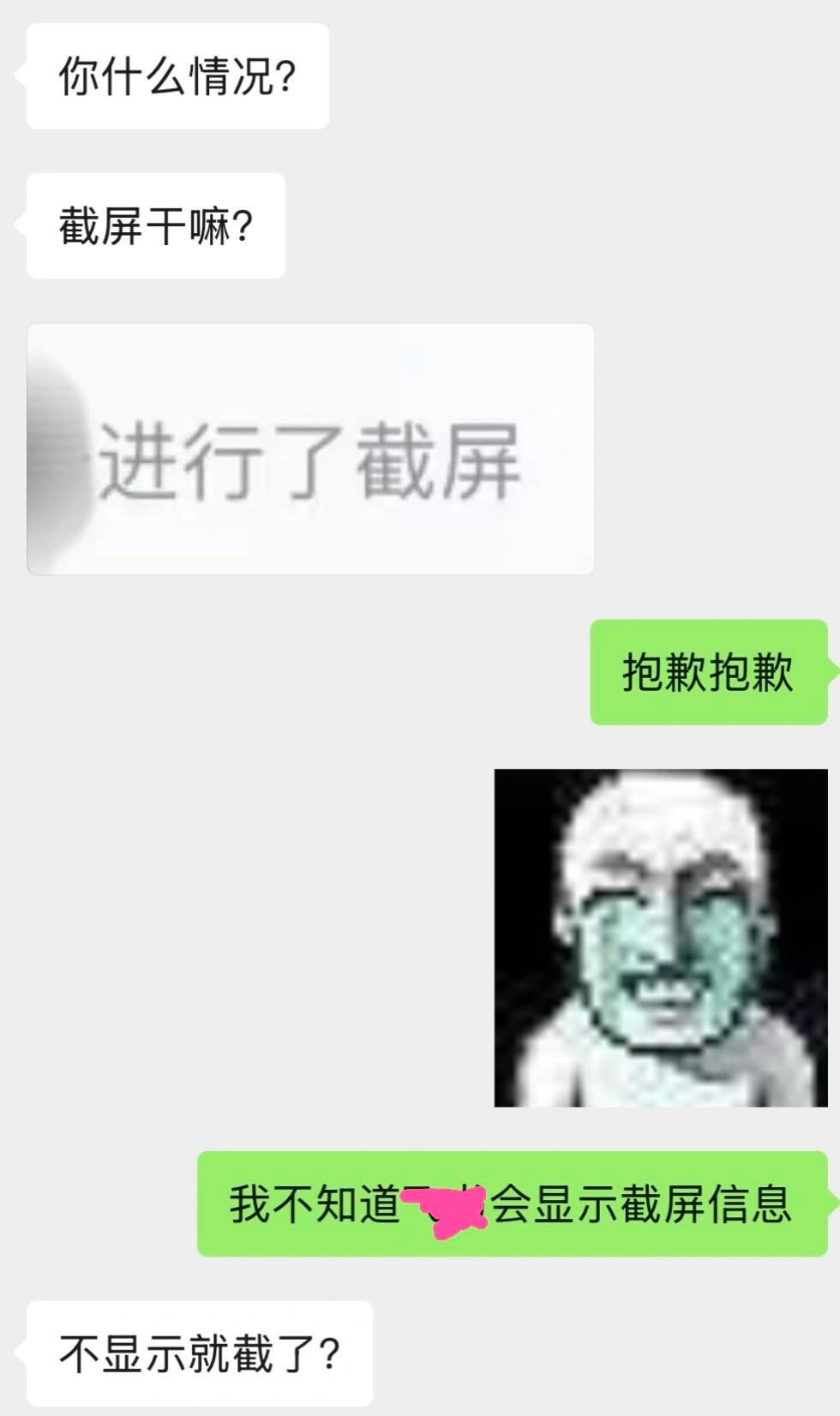
A new employee wanted to mark a small milestone: the boss had posted a welcome message in the company group chat, tagging her by name. She took a screenshot to send to her family. Within a second, the chat announced her action to everyone in it: "XXX took a screenshot."
The story, posted under the hashtag that renders as "social death on my first day at work," has been liked more than 15,000 times since Wednesday. Its appeal is the double humiliation the poster describes — first the exposure, then the scramble to explain a perfectly innocent act that now looks like something else. Saving the welcome message? Fine, that sounds loyal. Keeping a record of company documents? That, she wrote, "sounds like I'm preparing evidence for labor arbitration."
The alert is not a prank. As a commenter who says he has spent ten years in the industry explained in a widely shared reply, enterprise chat platforms such as WeChat Work and DingTalk ship with anti-leak screenshot notices switched on by default: the moment anyone screenshots a group, the group is told. The feature exists so that client lists, contracts and quotes do not quietly walk out of the building in a photo. Veteran employees, he wrote, turn the setting off in every new group on day one; newcomers learn it exists only when it fires.
His advice thread has become the story's second life. If you are caught, do not over-explain: reply "Got it, just getting familiar with the system," which converts panic into diligence. To keep a screenshot for friends, photograph the screen with a second phone — what he calls physical isolation. The closing line is already being quoted on its own: the first lesson of office life is not how to do the work, but how not to be done in by the tools.
Underneath the comedy is a norm most Chinese office workers absorb without discussion: the employer's chat platform is management territory first and a communication tool second, with retention, watermarking and audit features quietly configured for the former. The group announcement is unusual only in making that hierarchy visible for one embarrassing second.
Most replies have been kind, or amused. "At least it wasn't something serious," one commenter wrote, summing up the general verdict — a career survived, an etiquette lesson delivered, and a small window into the defaults Chinese offices live by.