Why a China Blockbuster Set in the Iraq War Is Dominating Weibo
Chinese cinemagoers are flocking to 'Dragon Restaurant' (龙餐馆), a hit film set against the collapse of post-2003 Iraq — and on Weibo, the conversation has turned into a mass history lesson on how early American decisions after the invasion fueled the insurgency. The film has grossed 1.45 billion yuan in 12 days.
A Chinese film set amid the chaos of post-invasion Iraq has become the country's surprise box-office hit, and Weibo users cannot stop talking about the real history behind it.
《龙餐馆》(Lóng Cānguǎn, "Dragon Restaurant") has taken roughly 1.45 billion yuan (about $200 million) in its first 12 days, according to fans tracking the run — with a projected total of 2.5 billion yuan. The title refers to a Chinese-owned restaurant, the kind of outpost that dot war zones from Baghdad to beyond, and the story unfolds against one of the most consequential periods in recent Middle Eastern history.
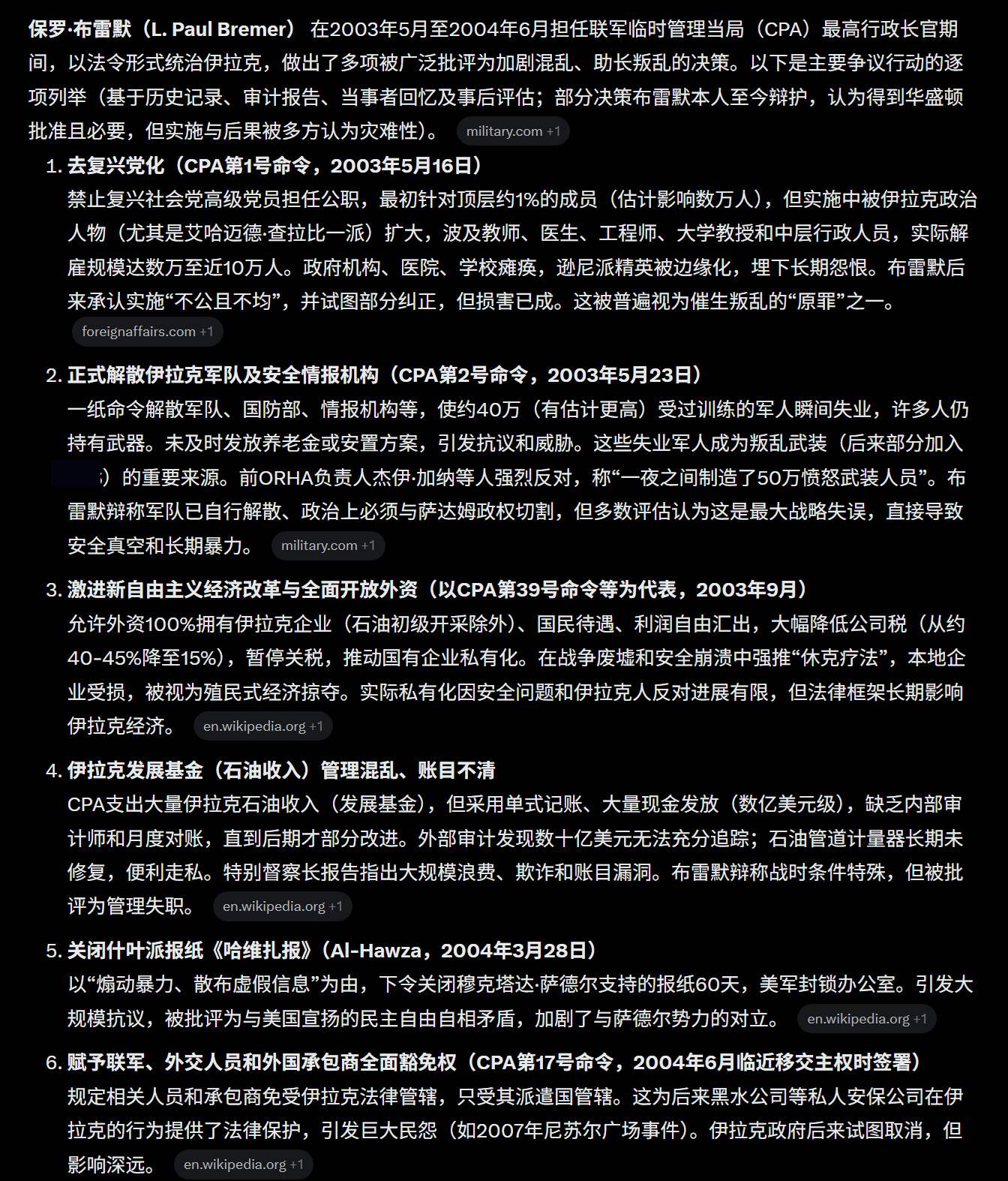
What is trending is not just the film, but the homework Weibo users are doing to understand it. A viral thread by the account 包容万物恒河水 (70 reposts, 43 comments, 350 likes) walks through the two orders issued by Paul Bremer, Washington's governor of Iraq, which many historians now regard as catastrophic:
"Bremer's notorious Order No. 1 — de-Ba'athification — in practice dismissed nearly 100,000 former Baathists: teachers, doctors, engineers, university professors and mid-level administrators. Iraq's government offices, hospitals and schools ground to a halt. Order No. 2 formally dissolved the Iraqi army and security services, throwing an estimated 400,000 trained soldiers out of work overnight — many still holding their weapons."
The thread quotes Jay Garner, the first head of the occupation authority, describing the result: "We created 500,000 angry, armed and unemployed Iraqis in 48 hours." And Colin Powell's memoir: "We purged the very officials and institutions we should have relied on."
A much-shared anecdote in the same thread adds gallows humor — years later, Bremer crashed his bicycle in Chevy Chase, Maryland, and a passing cyclist stopped to help, then stared and asked: "Wait, aren't you the guy who screwed up Iraq?"
The broader takeaway for Chinese viewers, as one fan put it: "It was a Chinese restaurant caught in the middle of someone else's war."
Why it matters for international readers: this is a rare case of a Chinese blockbuster choosing a foreign, geopolitically loaded setting — and a domestic audience eagerly consuming the history alongside the drama. It reflects a maturing appetite for stories that connect China's overseas experience with world events, rather than pure patriotic spectacle.