Durian Prices Plummet: Will the Luxury Fruit Become More Affordable?
The summer season is approaching, and durian lovers are in for a treat. The market price of durians has plummeted, with some varieties experiencing a price drop of nearly 50%. This significant decrease in price has raised questions about the causes behind it and whether durians will finally shed their "luxury fruit" label to become more affordable for the masses.
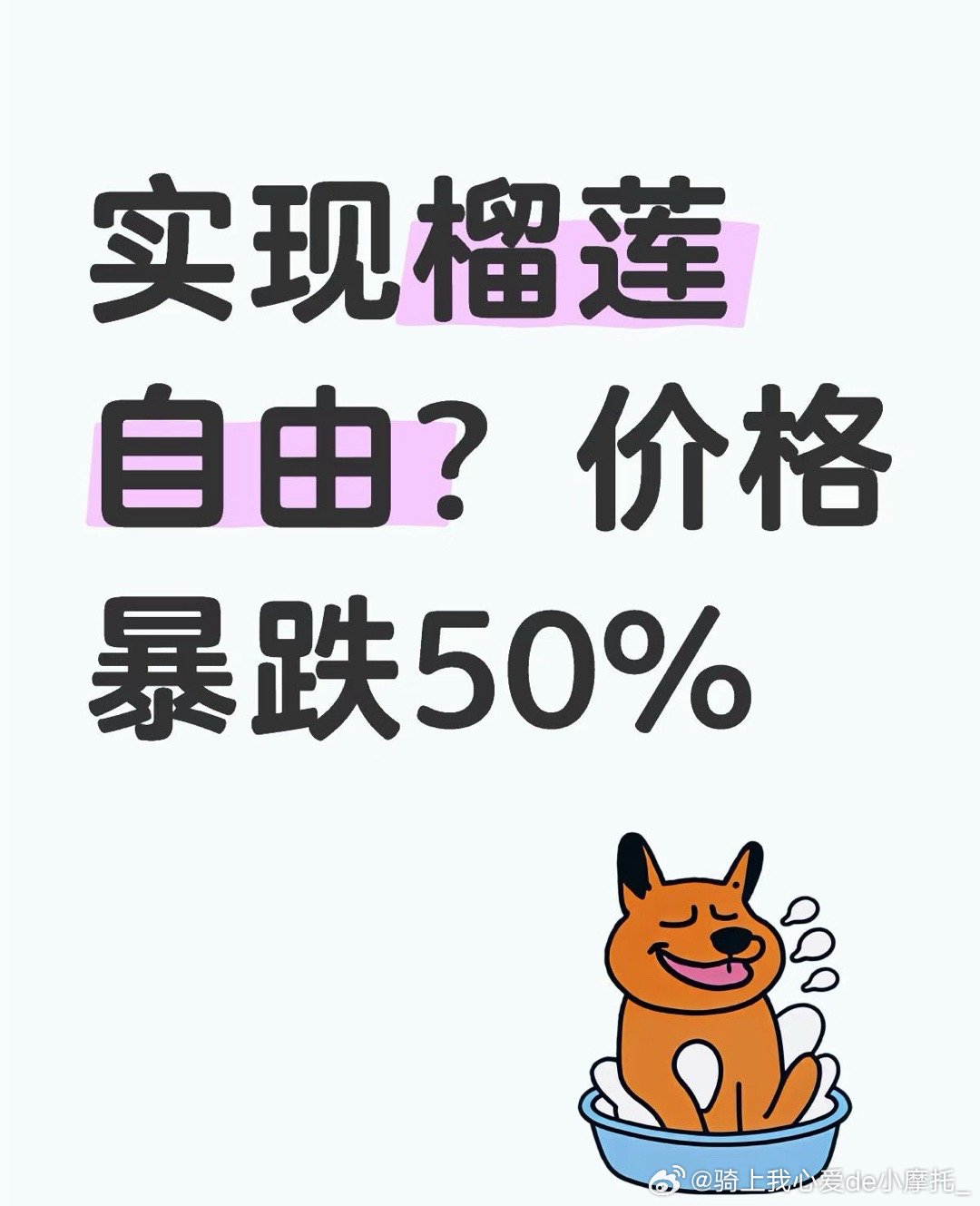
The price of durians in some areas has dropped to as low as 19.9 yuan per kilogram, a significant decrease from the previous price of around 40-50 yuan per kilogram. This price drop is attributed to the increased supply of durians in the market, particularly from Thailand and Vietnam, which have entered their peak production season. Industry experts point out that the price decrease is mainly due to the surge in durian supply. The implementation of stricter quality control measures by Chinese customs earlier this year led to a reduction in durian imports, resulting in higher prices. However, with the easing of customs inspections and the peak season arrival of durian production in Thailand and Vietnam, the supply of durians has increased, driving prices down.
The durian market in China is still dominated by imports, with Thailand being the largest supplier, followed by Vietnam, the Philippines, and Malaysia. While Hainan's durian production is expected to enter its peak season from June to September, the overall scale is still relatively small and has not yet formed a large-scale supply. Experts emphasize that durian prices are expected to continue to fall in June, not only due to the increase in supply but also because of the rich variety of fruits available in the market, providing consumers with more choices and putting downward pressure on durian prices.
Durians are not only known for their unique taste but also for their high nutritional value. Each 100 grams of durian flesh contains approximately 150-180 calories, rich in carbohydrates, dietary fiber, and protein. They are also rich in vitamins C and B, as well as minerals like potassium, iron, and magnesium. Considering the high calorie content of durians, it is recommended to limit daily consumption to 100 grams or less.
The drastic decline in durian prices can be attributed to several key factors, including a significant surge in supply due to bountiful harvests in major producing countries such as Thailand and Malaysia. This abundance of durians flooding the Chinese market has led to a substantial decrease in their price. Additionally, the reduction in logistics costs coupled with the advancement and development of cold chain technology has further contributed to the downward trend in prices.
The plummeting prices of durians have been met with enthusiasm from durian enthusiasts, who believe they can now indulge in the fruit more liberally. However, some consumers have expressed that they have not felt the effects of the price drop, possibly due to the decrease not being fully passed on to end consumers. This dichotomy in consumer experience reflects the complexities of the supply chain and the various factors influencing the prices of durians in the market. On one hand, the significant decrease in prices has made durians more accessible to a broader audience. With the current price of high-quality durians at around 38 yuan per kilogram and lower-quality ones at 19.9 yuan per kilogram, consumers are enjoying a more affordable luxury.
The reaction of consumers also underscores the importance of transparency and efficiency in the supply chain. For durians to transition from being a "luxury fruit" to a more "affordable fruit," it is crucial that the benefits of increased supply and lower import costs are passed on to consumers. This requires not only a significant reduction in wholesale prices but also a corresponding adjustment in retail prices to ensure that the decrease is felt across the board. As the supply of durians continues to increase, particularly with the anticipated bumper harvest from Thailand and the upcoming productive season in Vietnam, it is essential for retailers and suppliers to ensure that the benefits of lower costs are shared with consumers, making durians a more accessible and affordable luxury for all.