Europe Rallies Behind Ukraine Amidst US Rift
The recent wave of support for Ukraine from multiple European countries marks a significant event in international politics. This development follows a tense meeting between Ukrainian President Zelensky and US President Trump at the White House, after which European leaders have been vocal in their support for Ukraine. This surge in support underscores Europe's emphasis on the Ukrainian issue and its dissatisfaction with the US stance. European countries have been providing various forms of support to Ukraine, including military aid, economic assistance, and diplomatic backing. Leaders such as German Chancellor Merkel and French President Macron have expressed their commitment to helping Ukraine resist Russian aggression. The European Union has also been working to strengthen its ties with Ukraine, providing financial and humanitarian aid to the country.
The support from European countries is driven not only by a sense of moral obligation but also by strategic interests. Ukraine's geographic location makes it a crucial country for European security and stability. If Ukraine were to fall under Russian control, it would pose a significant threat to European security and undermine the region's geopolitical balance. Therefore, European countries are keen to support Ukraine to maintain their own strategic security and protect their interests. However, this support also faces challenges, as Russia may respond strongly, escalating tensions in the region. Moreover, European countries need to balance their support for Ukraine with their own national interests and avoid getting overly entangled in the conflict.
Numerous European leaders have come forward to express their unwavering support for Ukraine. French President Emmanuel Macron, German Chancellor Olaf Scholz, and British Prime Minister Keir Starmer are among those who have publicly declared their commitment to standing by Ukraine's side. The European Union Commission President Ursula von der Leyen and European Council President Charles Michel have also issued a joint statement, reaffirming their unshakeable support for Ukraine's quest for a just and lasting peace. Macron emphasized the importance of acknowledging and respecting those who have been fighting from the outset, while Scholz reinforced Germany's and Europe's commitment to Ukraine. Spanish Prime Minister Pedro Sánchez assured that Spain stands with Ukraine, as the chorus of support continues with additional European leaders voicing their solidarity with Ukrainian President Volodymyr Zelensky.
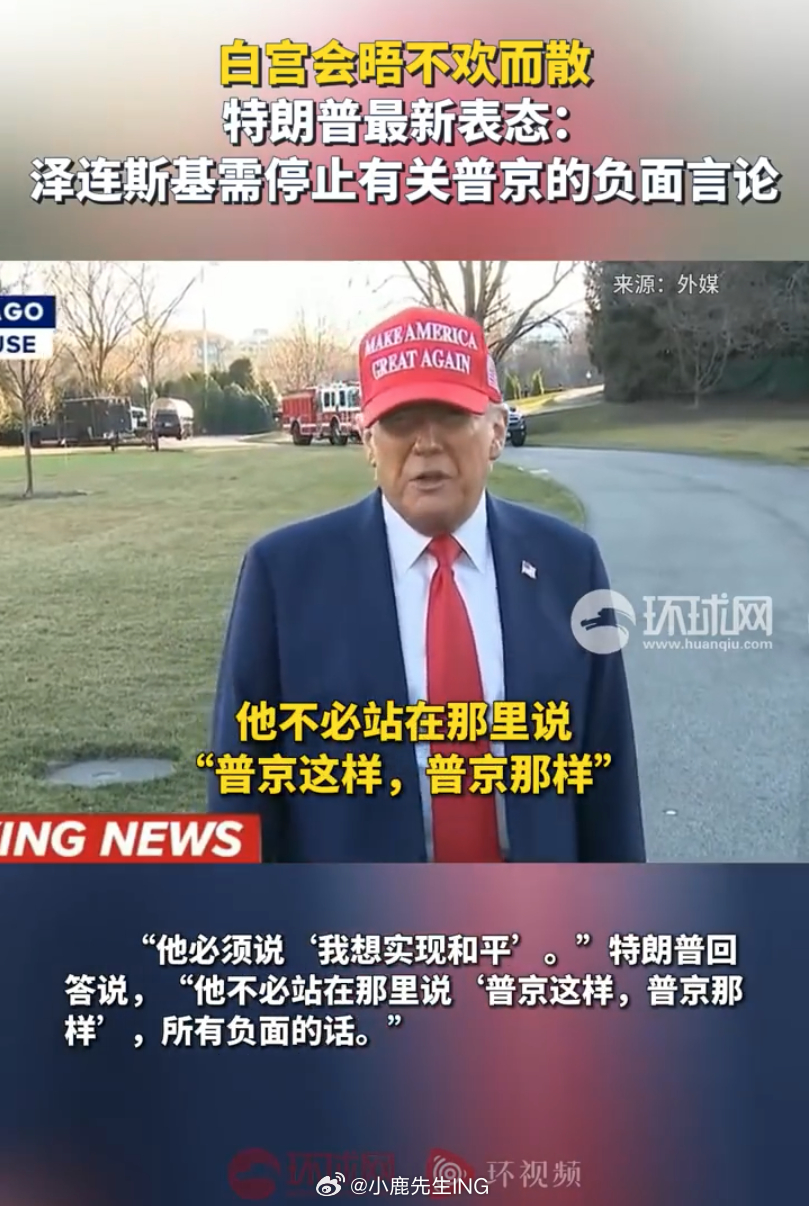
The rift between the United States and Europe has become a significant backdrop to the ongoing crisis. The Trump administration's recent statements on the Russia-Ukraine issue, which seemed to diverge from European allies, have sparked discontent among European leaders. In response, European leaders have been vocal in their support for Ukraine, both as a rebuke to Trump's stance and as a means of exerting pressure on him. The tension between the US and Europe was palpable after Ukrainian President Zelensky's visit to the White House, which ended in a heated argument with President Trump. European leaders, including German Chancellor Scholz, European Commission President von der Leyen, and French President Macron, have been quick to reaffirm their support for Ukraine, with Macron warning that if Putin is not stopped, he will continue to advance, posing a threat to European security.
As the US and Europe continue to grapple with their differences, Ukraine remains at the center of the storm, seeking to negotiate a peaceful resolution to the conflict while maintaining a strong diplomatic front. The outcome of this delicate balancing act will likely depend on the ability of European leaders to present a united front against Russian aggression, while also persuading the US to reconsider its stance and provide more robust support for Ukraine. The event signals a shift in European policy towards taking a more independent stance on the issue of Ukraine, which will have significant implications for international politics. It indicates that Europe is moving towards forming its own policies and strategies regarding Ukraine, rather than strictly following the lead of other global powers.
This shift by European parties towards a more independent stance on Ukraine will have broader implications for global alliances and cooperation. The divisions that might arise between the US and Europe could affect how these powers work together on other pressing international issues, potentially weakening their collective ability to address global challenges. In the long term, the event could lead to a reevaluation of alliances and partnerships, potentially leading to a more multipolar world where different regions and powers have more distinct and independent foreign policies. This could both create new opportunities for cooperation and new challenges for managing conflicts and promoting global stability. Ultimately, the path forward will depend on how these developments are navigated by the parties involved, with careful diplomacy being crucial to mitigate potential conflicts and foster an environment conducive to cooperation on pressing global issues.