China's Fact-Checkers Take On Xiaohongshu's Fake Foreign Princes and Princesses
A Shanghai Mouse-style cast of invented 'Paris Kings' and 'Dubai Princes' has appeared on China's lifestyle platform, and The Paper's fact-checking desk has traced how the personas are built and what they are selling.

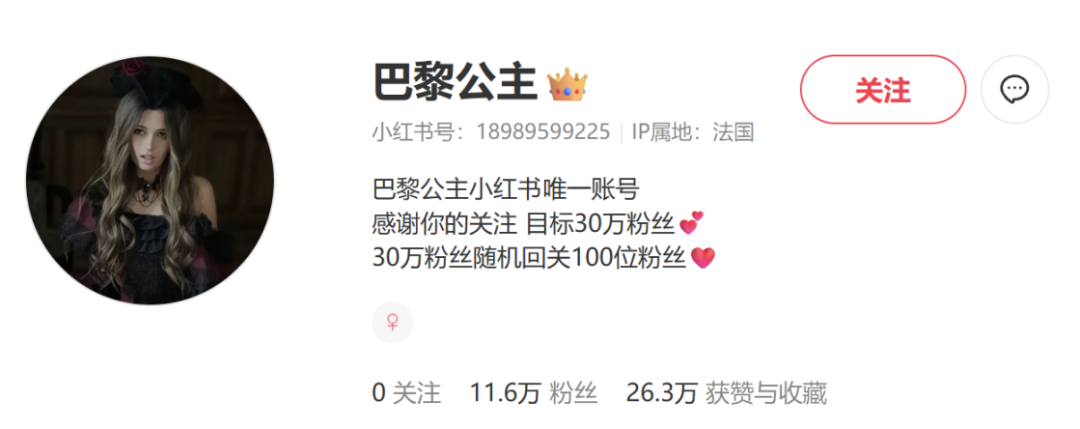
Scroll the lifestyle feeds of Xiaohongshu this month and you may befriend aristocracy. There is a King of Paris, a Dubai Prince, at least three Paris Princesses — one with a crown emoji in her handle, one with a gothic portrait and a bio reading "Thank you for your follow. Goal 300,000 followers" — and a British Prince, all with France or Gulf locations attached, all suddenly flourishing on the platform. Shanghai's The Paper sent its fact-checking desk, Mingcha, to find out who they are: not one of them, it concluded, is royal, and most are not even foreign.
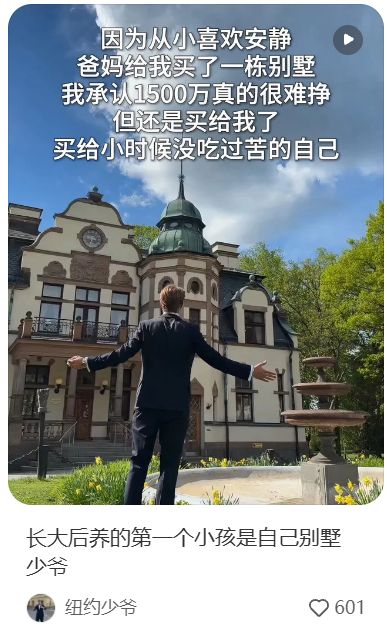
The paper's investigation describes a template. The accounts present polished videos of themselves — a young man in a dark suit, arms spread before a white villa with green domed roofs and a tiered fountain, overlaid with a voiceover of hard-won privilege: "Because I liked quiet from a young age, my parents bought me a villa. I admit 15 million is really hard to earn, but they still bought it for me." The caption below dubs him a "villa young master". Other accounts lean on fan-service scripts — "satisfy the fans' requests, please follow and support" — and on rented backdrops: chateaux, fountains, stately homes, none of them theirs.
The profile pages are where the arithmetic shows. The Paris Princess whose gothic avatar anchors the trend lists 116,000 followers and 263,000 likes; her bio states a follower goal as a business would state a sales target. Following an invented princess, in other words, is not self-deception so much as enrollment in an audience-farming scheme — the follower counts are the product, to be cashed in later through livestream selling, paid promotions or outright scams, the standard monetisation path for manufactured personas on Chinese platforms.
Readers of Chinese social media will find the cast list familiar. The trick reruns a cycle the platforms have seen before: fabricated overseas personas — foreign royalty, ship captains with dramatic tales, billionaires' heirs — built to harvest engagement, exposed by fact-checkers, banned, and then rebuilt under new names. What gives this round its edge is the volume and the speed: The Paper counted the "royals" not as isolated grifters but as a cluster that appeared together, a small industry answering demand.
That demand is the cultural datum. Xiaohongshu is China's aspirational-lifestyle platform, and aspirational content sells; a persona promising European aristocracy is simply the platform's own aesthetic carried to forgery. The fact-checking desks that now police it — Mingcha at The Paper, counterparts at other outlets — have become a fixed institution of the Chinese internet, publishing on a rhythm their readers know. Whether repeat offenders stay banned is the open question; the last cycle suggests the princes simply wait out the attention.