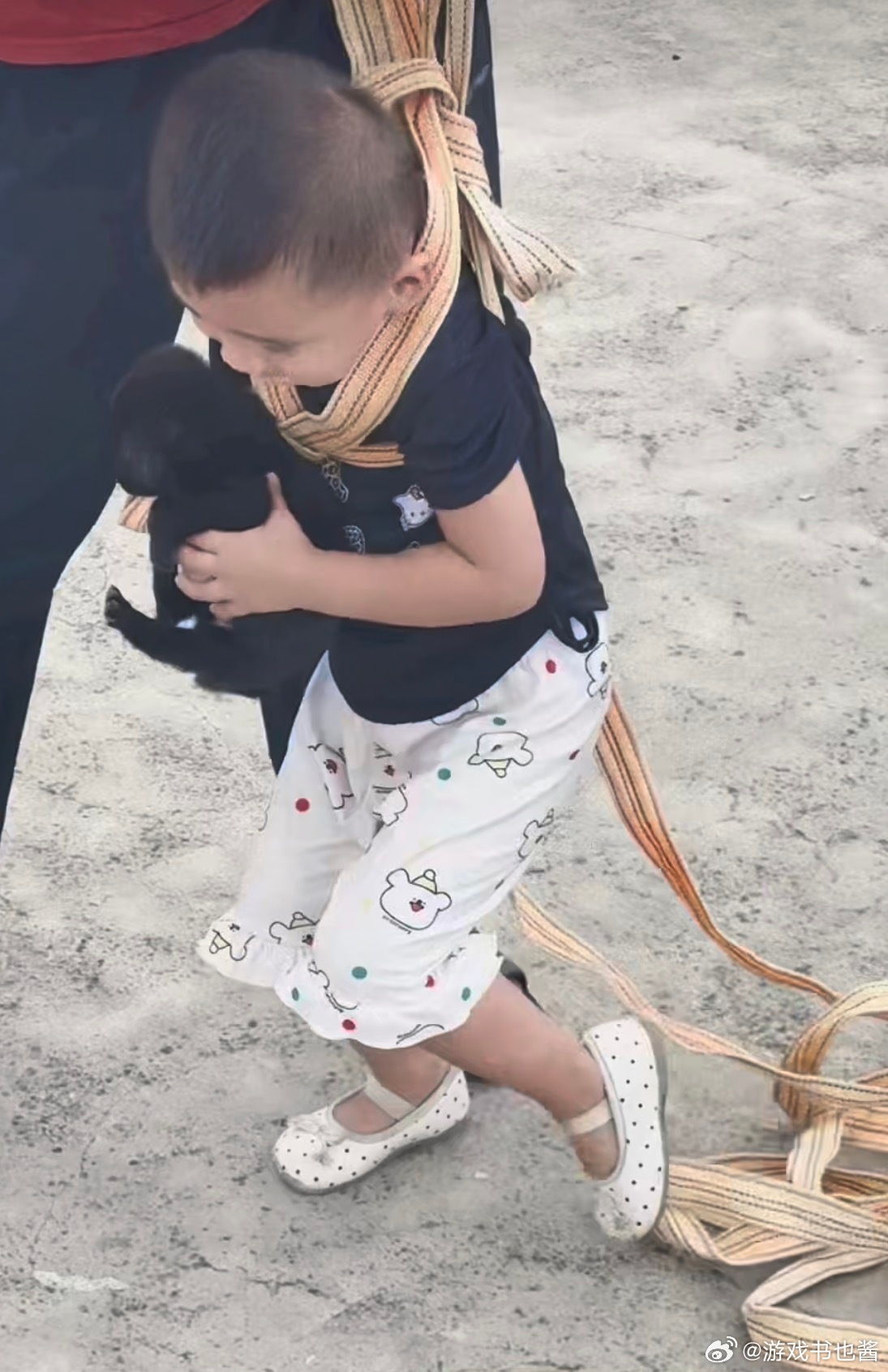
Chinese Father Lowers His Daughter From a Bridge to Rescue a Puppy
A viral video of a Chinese father lowering his harnessed daughter into the gap beneath a bridge to rescue a stuck puppy has divided Weibo. Supporters saw a lesson in courage; critics saw an avoidable risk to a child who could not consent to it.
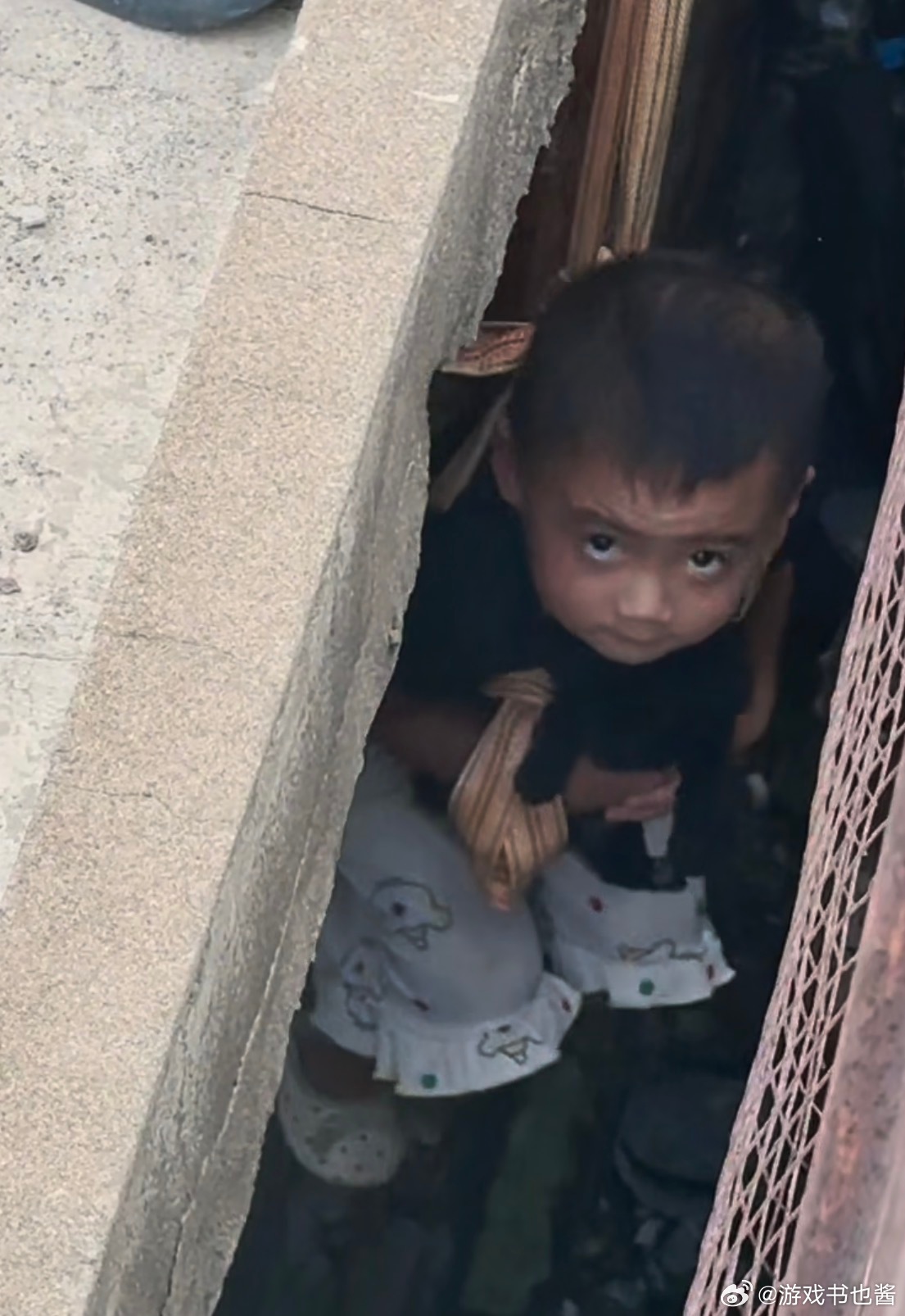
A short video from China has turned a family's rescue of a stray puppy into a national argument about what a parent should risk to teach a child kindness. In the clip, a father ties a rope around his young daughter and lowers her into the narrow gap beneath a bridge so she can reach a small puppy stranded below. The video spread across Weibo under the tag "Dad's video of lowering his daughter from a bridge to rescue a puppy goes viral," and within hours the comments had split into two camps.
The original clip was posted by the humor account @贾有梗, whose commentary leaned light: this, the caption joked, is the kind of child the minor-protection law was designed to protect. It was liked more than 17,000 times, less a news report than an invitation to marvel at an unusually literal interpretation of family teamwork.
But the marvel was not universal. Supporters of the family argued that the girl was harnessed, the drop was short, and the puppy was small. One Weibo user, recalling being lowered by their own parents as a child, said it felt normal: families in rural and smaller-town China routinely involve children in practical tasks, from feeding animals to taking part in a community rescue. In that framing, the father was not endangering his daughter but teaching her agency — letting her do the thing herself, in a country where children are often protected from much smaller risks.
Others read the same footage and saw the opposite. The girl dangles over an open gap, held only by a rope around her torso, with no helmet and no professional harness. If the rope slipped or the ledge gave way, several commentators wrote, the rescue would have become a second emergency. They pointed to China's child-protection statutes and to a parent's duty of care, arguing that kindness to an animal does not justify putting a child into a space adults would have climbed into themselves.
The argument drew the attention it did because it sits on a fault line in Chinese parenting discourse. For years, the loudest public conversation has criticised "chicken-blood" and helicopter parenting — the over-programmed, over-protected child. Against that backdrop, the bridge rescue looked, to its defenders, like a refreshing dose of old-fashioned autonomy. To its critics, it looked like the exact thing the law and public-health experts have spent decades trying to stop: an adult's unnecessary risk transferred to a child.
In the stills that circulated, the rescue is almost ordinary: a child in a woven harness holds a black puppy against her Hello Kitty shirt on the bridge afterward. Which is precisely why the video kept spreading. It asked an uncomfortable question with no obvious answer — how much risk is acceptable when the person taking it cannot yet judge the risk for herself — and left the viewer to decide.