Song Jia Makes Feitian History as China's State TV Awards Crown Main-Melody Dramas
At China's Feitian Awards in Yantai, Song Jia became the first actress to win all three major television prizes for a single role, while Wang Renjun's best-actor upset for a war epic set off a cross-drama celebration on Weibo.
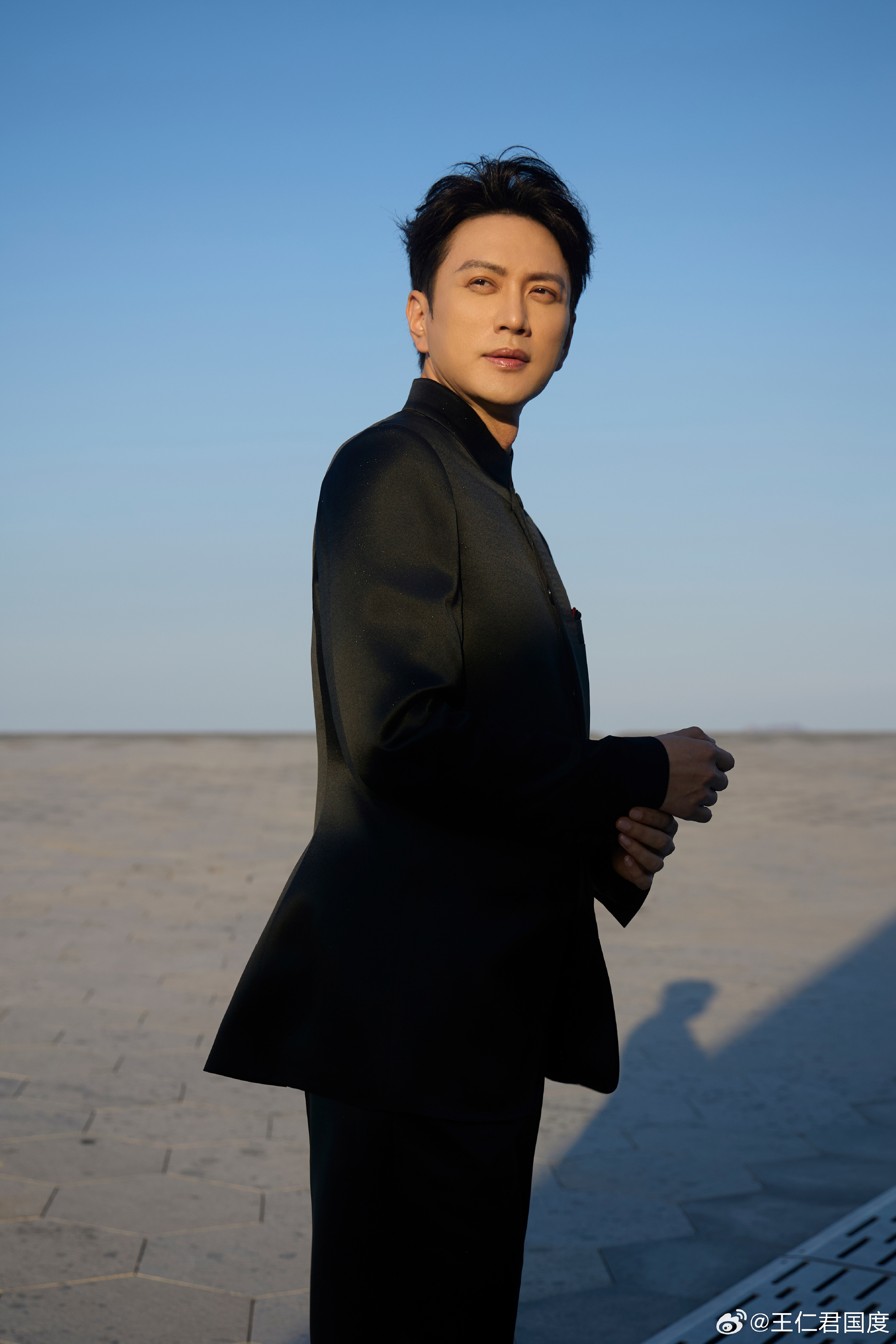
The 35th Feitian Awards, the state-run prize that functions as China's establishment verdict on the year in television, were handed out in Yantai, Shandong, on Friday night. Two results defined the aftermath, and they point in different directions: a historic first for an actress playing a living heroine, and an upset that sent the best-actor trophy to a revolutionary-war epic.
Song Jia won Outstanding Actress for playing Zhang Guimei — the Yunnan principal who founded China's first tuition-free high school for girls — in the series When the Mountain Flowers Bloom (《山花烂漫时》). She had already taken the Magnolia and Golden Eagle prizes for the same performance, and with the Feitian she becomes the first actress in Chinese television to complete the "same-role grand slam," as Baidu's search board noted within minutes of the ceremony. Accepting the award, she dedicated it to Zhang Guimei and to "every worker in every trade," her voice breaking as she thanked "the country and the era."
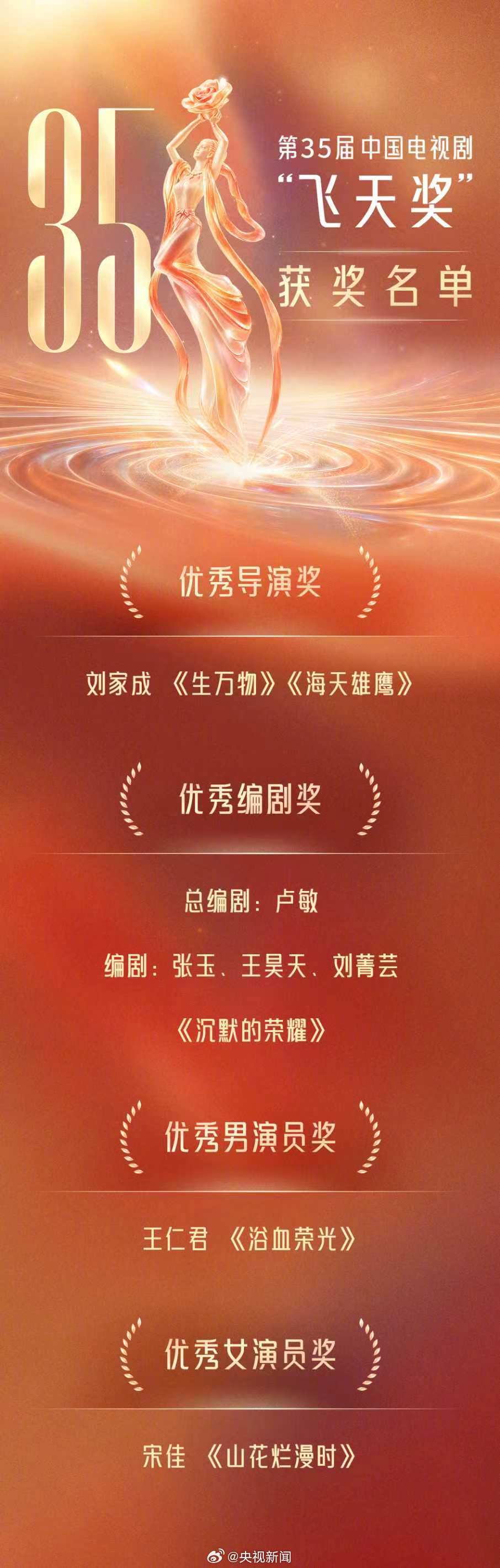
The male prize went the other way. Wang Renjun, a National Theatre of China performer whom most viewers knew as a supporting player, won Outstanding Actor for Yuxue Rongguang (《浴血荣光》, roughly "Bathed in Blood, Crowned in Glory"), a revolutionary-history epic, over a field that included Yu Hewei (Silent Honor), Yu Shi (To the Wonder) and Hu Jun (Homecoming).
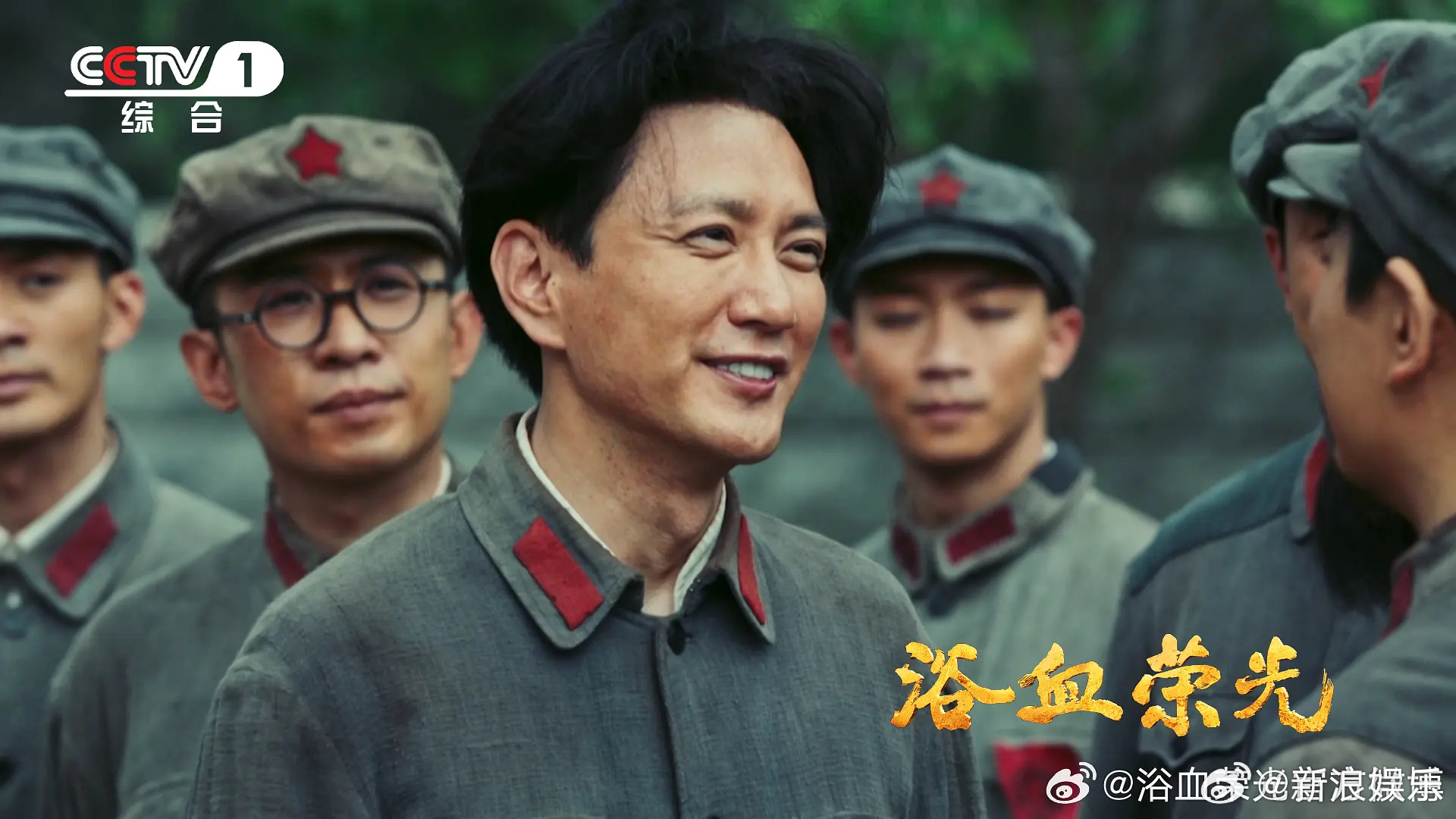
"Congratulations, second brother"
The upset set off a meme only Chinese drama fans could fully parse. In The Story of Minglan, the 2018 costume saga that made Wang a household face, he played Sheng Changbai, the diligent eldest son who passes the imperial examination to his formidable mother's delight. "Changbai really did pass!" (长柏真的高中了) began trending within minutes, with fans quoting the drama mother's proud line, "My Bai'er is bound to pass" (我家柏儿必定高中).
Zhao Liying, who played Wang's on-screen sister in that drama, left the comment that carried the night — "Congratulations, second brother hahahaha 👏" (恭喜二哥哥哈哈哈哈哈哈👏) — a reply liked more than 128,000 times. Fans noticed she had gone back to a two-year-old post on Wang's account to leave it, and backstage footage showed Wang smiling through the thanks when the phrase "second brother" reached him.
Who speaks for the audience?
Not every result charmed. Little Alley Family (《小巷人家》), the warmly received saga of two families sharing a Suzhou courtyard across the reform decades, took an Outstanding Drama trophy — but its lead, Yan Ni, closed the awards year with nothing: no Magnolia, no Golden Eagle, no Feitian for a performance tipped in all three. One post observing that she had "stopped bothering to manage her expressions" on the red carpet asked the question running through the comment section: "If all three big prizes land like this, who speaks for the audience?" (如果三大奖都是这个结果,那谁来代表观众呢?)
The full list explains the tension. The sixteen Outstanding Drama trophies mix audience favourites — To the Wonder, Little Alley Family, Flourished Peony — with a thick block of state-backed history epics: Yuxue Rongguang, Years of the Northwest (《西北岁月》), Homecoming (《归队》) and Silent Honor (《沉默的荣耀》). The Feitian has always tilted toward "main-melody" production, the officially supported genre of revolutionary and model-figure stories, and this year both acting prizes went to that shelf. The most-upvoted Zhihu question on the list is less about who won than about what the tilt means, its top answers cataloguing how completely the epics absorbed the acting categories.
Even the seating chart trended: this year's ceremony scrapped the head-table "C position" for long rows of mixed generations, according to a Baidu board item. An egalitarian touch, the comments agreed, that settled nothing about who actually won the night.