What's the First Car in a Traffic Jam Really Doing?
As the Chinese New Year approaches, millions of people take to the roads to return home, resulting in congested highways and frustrating traffic jams. The phenomenon of highway congestion has become a perennial issue during peak travel seasons, with many drivers finding themselves stuck in traffic for hours on end. But have you ever wondered what is happening at the front of the congestion? What is the first car in the traffic jam doing?
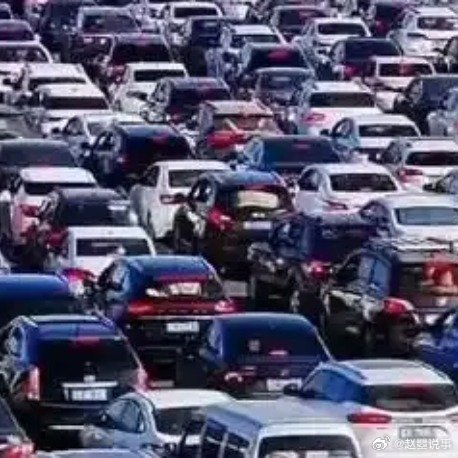
According to some experienced drivers, the key to navigating through congested highways is to avoid following other cars, especially during peak travel seasons when many inexperienced drivers take to the roads. By taking the lead and avoiding crowded lanes, drivers can minimize the risk of accidents and reduce their overall travel time. Others recommend traveling during off-peak hours, such as early in the morning or late at night, to avoid the congestion altogether.
However, despite these strategies, highway congestion remains a major issue, with many drivers expressing frustration and annoyance at the lack of progress. Some have even taken to social media to complain about the situation, with one driver noting that they had traveled only two kilometers in two hours. The use of drones to capture the scene of congested highways has also become increasingly popular, providing a bird's-eye view of the chaos and congestion on the roads.
As the first day of the Chinese New Year approaches, it is clear that highway congestion will continue to be a major challenge for drivers. By understanding the causes of congestion and taking steps to mitigate its effects, drivers can help to reduce their stress levels and make their journey home safer and more enjoyable. In this context, exploring the behavior of the first car in a traffic jam can provide valuable insights into the causes of traffic congestion and the importance of planning and responsible driving.
The behavior of the first car in a traffic jam can be a critical determinant of the overall traffic flow. While it might be tempting to attribute traffic congestion solely to external factors such as accidents or road repairs, the narratives from experienced drivers suggest that the actions of drivers themselves, particularly those at the front of the congestion, play a significant role. By adopting more thoughtful and strategic driving habits, individuals can contribute to reducing congestion and ensuring smoother, safer travels for everyone on the road.
Recently, a severe snowstorm hit parts of China, causing multiple highways to be closed due to heavy snow and ice. Many drivers were stranded on the roads, with some reporting being stuck in traffic for over 12 hours. The authorities responded by sending police cars to escort stranded vehicles to safety, and some drivers were forced to spend the night in their cars. The incident highlights the importance of being prepared for unexpected delays and having the necessary supplies, such as food, water, and warm clothing.
To alleviate the frustration and uncertainty associated with traffic congestion, several experienced drivers have shared their expert advice on how to navigate the chaos. Firstly, it is crucial to avoid traveling in groups or convoys, as this can increase the risk of unpredictable situations and accidents. Instead, taking the lead and driving ahead can provide a safer and more controlled environment. Another vital tip is to avoid peak travel times by setting off early in the morning or late at night when the roads are less congested. This not only reduces the likelihood of getting stuck in traffic but also minimizes the risk of accidents caused by driver fatigue.
Additionally, ensuring that one's vehicle is well-prepared for the journey is essential. This includes having enough fuel, food, and water to sustain the driver and passengers throughout the trip, even in the event of unexpected delays. In extreme cases, having a means to boil water or prepare basic meals, such as a thermos or a portable stove, can be a lifesaver. Finally, experienced drivers recommend finding a "high-hand" or an experienced navigator to lead the way, especially on highways. This can help drivers avoid traffic jams and navigate through challenging road conditions with greater ease.
By following these expert tips and adopting a proactive approach to travel planning, individuals can significantly reduce their chances of getting stuck in traffic and ensure a safer, more enjoyable journey back home for the Spring Festival. Whether it's avoiding peak travel times, being prepared for unexpected delays, or seeking the guidance of experienced navigators, the key to a successful and stress-free trip lies in careful planning and a dash of flexibility.
Moreover, the comments from experienced drivers underscore the significance of maintaining a safe distance, ensuring that one's vehicle is well-maintained, and possessing the skills to navigate through dense traffic. The suggestion to avoid emergency lanes, which are often abused during periods of congestion, further emphasizes the need for responsible and considerate driving practices.
Ultimately, the smooth operation of traffic systems during peak periods is a collective responsibility. Drivers must be patient, considerate, and aware of their surroundings. By following traffic rules, being mindful of other drivers, and planning journeys carefully, individuals can contribute to reducing congestion and making travel safer and more efficient for everyone. Understanding what the first car in a traffic jam is doing offers insight into the complex dynamics at play during congestion. However, addressing the root causes of traffic jams requires a multifaceted approach that includes improving driver behavior, leveraging technology for better traffic management, and adopting strategic travel planning. By working together, we can create a more efficient, safer, and less frustrating driving experience, even at the busiest of times.