Geely Chairman Li Shufu Proposes Personalized Education Reform Starting in Middle School
China's current education model is facing numerous challenges, including the unequal distribution of educational resources, the singularity of evaluation standards, and the neglect of students' individualized needs. The existing system, which emphasizes standardized testing and rote memorization, can be stifling for students who do not fit the traditional mold of academic excellence. Moreover, the emphasis on core subjects such as mathematics and language arts can lead to a lack of interest in other essential areas, such as natural sciences, social sciences, and vocational skills.
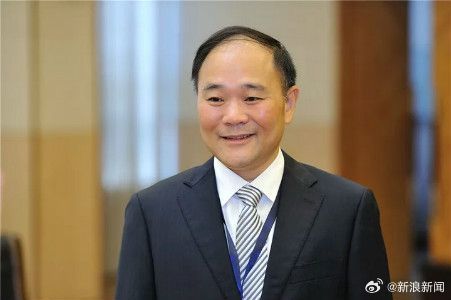
Geely Chairman Li Shufu has proposed a radical new approach to education, suggesting that middle school students be taught according to their individual strengths and interests. This approach, known as "teaching students according to their aptitude," aims to release students' potential by providing them with a more flexible and diversified learning environment. By leveraging AI and digital technologies, Li Shufu hopes to create a more personalized and effective education system that can cater to the unique needs and abilities of each student.
This proposal is particularly relevant in the context of China's rapidly changing economy and society. As the country continues to urbanize and industrialize, there is an increasing demand for skilled workers and innovative thinkers who can adapt to the needs of a rapidly changing world. By providing students with a more comprehensive and individualized education, Li Shufu's proposal aims to equip them with the skills, knowledge, and creativity needed to succeed in this new environment.
Many education experts and parents have expressed support for Li Shufu's proposal, believing that this educational model can help students find their own direction and play to their strengths. They argue that implementing a tailored teaching approach at the middle school stage can help students develop their unique talents and interests, leading to a more effective and efficient education system. For instance, by allowing students to choose different subject combinations based on their academic performance, interests, and special talents, schools can cater to diverse learning needs and provide a more personalized education experience.
However, some critics have raised concerns about the feasibility and resource requirements of such a system. They argue that implementing a large-scale, individualized education program would require significant investments in teacher training, curriculum development, and educational resources. Additionally, there are worries about the potential for unequal access to quality education, as some schools may not have the necessary resources or expertise to provide a tailored education experience for all students. Nevertheless, proponents of the proposal argue that the benefits of a more personalized education system outweigh the challenges, and that with the help of technology and digital tools, it is possible to create a more efficient and effective education system that caters to the diverse needs of students.
The concept of "teaching according to individual talent" or "differentiated instruction" suggests an educational approach where teaching methods and content are tailored to the unique needs, abilities, and learning styles of each student. This approach is gaining attention globally for its potential to enhance learning outcomes and student engagement. Li Shufu's suggestion to implement this approach starting from the middle school stage underlines the importance of early adaptation to individualized learning to maximize educational outcomes and prepare students for a rapidly changing world.
For such an educational reform to succeed, it necessitates a coordinated effort from both the national government and local communities. This includes investing in educational infrastructure to support personalized learning, providing extensive training for teachers to equip them with the skills to tailor their teaching, and revising assessment standards to reflect the diversity of student learning outcomes. The future of education in China, with the integration of "teaching according to individual talent," looks promising as it could lead to more effective and personalized learning experiences.
In conclusion, the suggestion by Li Shufu to initiate "teaching according to individual talent" from the middle school stage presents a compelling vision for the future of Chinese education. By focusing on individualized learning and development, China can foster a more competitive, innovative, and socially cohesive society. The success of this initiative depends on the collective efforts of policymakers, educators, and the community to create and sustain an adaptive, inclusive, and technologically advanced educational system. Implementing an educational model based on "teaching according to individual talent" requires a joint effort from the nation and society, encompassing the integration of educational resources, teacher training, and adjustment of assessment standards. If successfully implemented, this educational model could become a crucial direction for China's educational reform, offering a more personalized and efficient learning experience.