Global Breast Cancer Deaths Projected to Rise by 68% Annually
According to a recent report by the International Agency for Research on Cancer (IARC), a subsidiary of the World Health Organization (WHO), the global number of breast cancer cases is projected to increase by 38% by 2050, while the annual number of deaths due to the disease is expected to rise by 68%. This alarming prediction highlights the urgent need for enhanced breast cancer prevention and treatment efforts worldwide. The report warns that if current trends continue unabated, the global number of new breast cancer cases could reach 3.2 million annually, resulting in 1.1 million deaths. Breast cancer is already the most common type of cancer among women globally and the second most common cancer overall.
The significant disparity in breast cancer incidence and mortality rates across different regions is a major concern. Countries such as Australia, New Zealand, and those in North America and Northern Europe have the highest incidence rates, while some parts of South Asia and Africa have relatively lower rates. However, the highest mortality rates are found in the Pacific Islands, particularly Melanesia and Polynesia, as well as in Western Africa. The primary reason for these high mortality rates is the lack of adequate medical resources, leading to delayed or ineffective treatment.
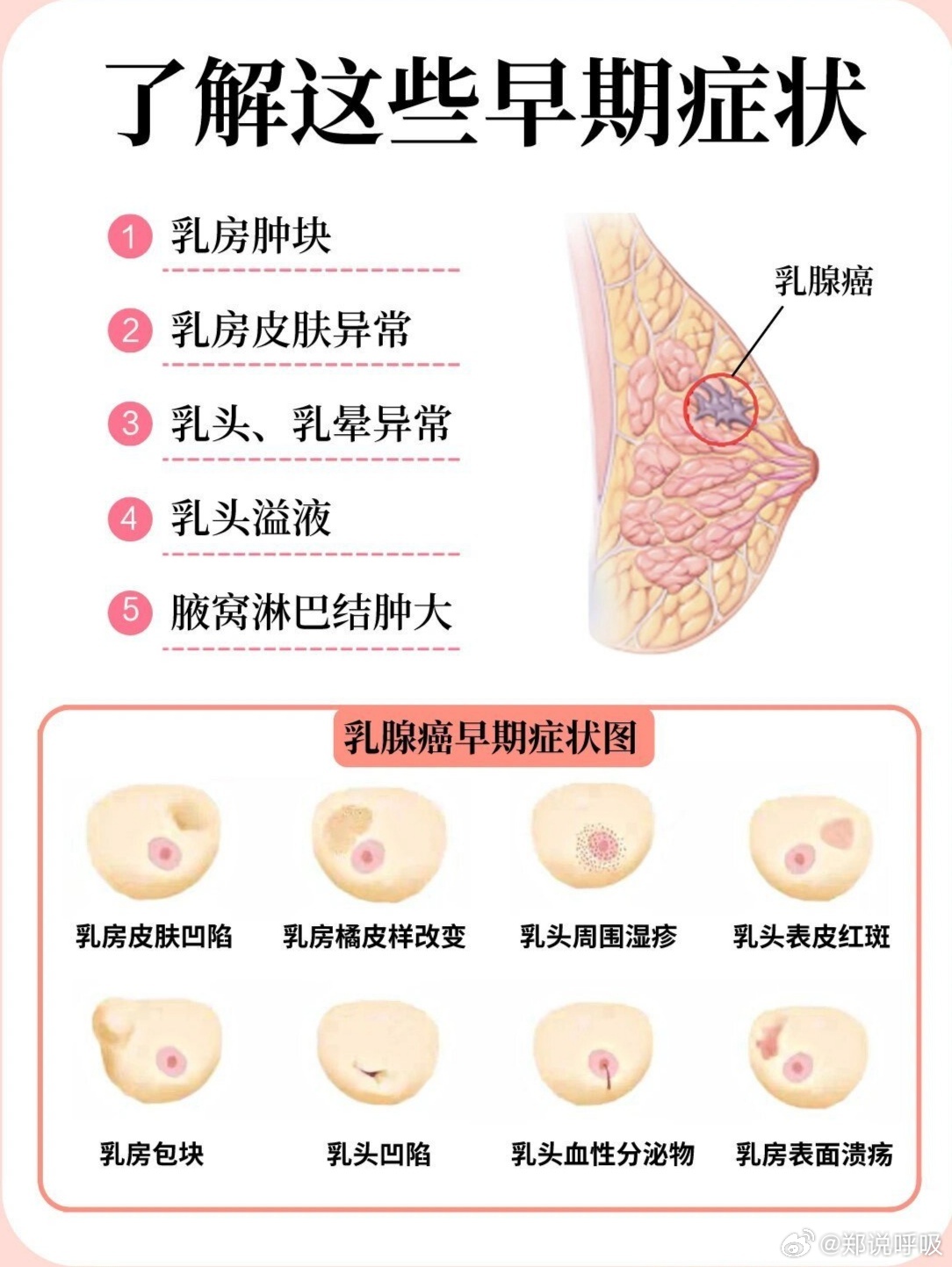
To mitigate this situation, the report urges nations to strengthen their healthcare systems, increase funding for breast cancer screening and treatment, and implement cost-effective preventative measures. Adopting certain habits can also help reduce the risk of breast cancer, including regular self-examination, annual breast checks, maintaining a healthy weight, consuming a low-fat and low-sugar diet, getting adequate sleep, avoiding smoking and excessive alcohol consumption, breastfeeding, and supplementing with vitamin D. Regular self-examination should be performed every month, 7-10 days after the menstrual period ends, to check for any abnormalities such as lumps or unusual discharge. Annual breast checks, including ultrasounds or mammograms, are crucial for early detection, especially for women over 20 or those with a family history of breast cancer.
Maintaining a healthy weight through regular exercise and a balanced diet is also vital, as obesity is a risk factor for breast cancer. A diet low in fat and sugar, rich in vegetables, fruits, whole grains, and high-quality proteins, can help reduce the risk. Getting adequate sleep, aiming to sleep before 11 PM, and practicing stress-reducing techniques like yoga or meditation can also help avoid disrupting hormonal balance. Avoiding smoking and excessive alcohol consumption, as well as considering breastfeeding, can further reduce the risk. Additionally, supplementing with vitamin D, either through sun exposure, supplements, or vitamin D-rich foods, can help, as deficiency in vitamin D has been linked to an increased risk of breast cancer.
Breast cancer treatment is highly individualized, taking into account the stage of cancer, the patient's overall health, and the specific characteristics of the tumor. Treatment options can include surgery, chemotherapy, radiation therapy, and in some cases, hormone therapy or targeted therapy. Early detection significantly improves the chances of survival, emphasizing the importance of regular screenings like mammograms for identifying breast cancer in its early stages. The World Health Organization (WHO) and other health authorities highlight that prompt intervention can lead to better outcomes for patients.
The WHO's call to action includes strengthening healthcare systems, increasing funding for breast cancer screening and treatment, and implementing cost-effective preventive measures. This comprehensive approach aims to reduce the global burden of breast cancer by ensuring that more people have access to necessary care and preventive services. Implementing economically effective preventive policies is critical, including public health campaigns to raise awareness about breast cancer, promoting lifestyle changes that reduce the risk, and ensuring that healthcare systems are equipped to provide high-quality, affordable care to all who need it.
The projected increase in breast cancer deaths by 68% annually is a troubling concern that necessitates a concerted global effort towards prevention and treatment. By bolstering health awareness, strengthening healthcare systems, and implementing effective preventive measures, we can mitigate the incidence and mortality rates of breast cancer, thereby fostering global health advancement. It is imperative that governments, healthcare organizations, and communities collaborate to address this looming health crisis, ensuring that resources are allocated efficiently to support research, early detection, and comprehensive care for those affected by breast cancer. Only through a unified and proactive approach can we hope to curb the rising tide of breast cancer deaths and improve the outlook for millions of women worldwide.