China's Retail Gold Price Tops 1,400 Yuan as Bangle-Buyers Cash Out After Months in the Red
Retail gold in China has climbed back above 1,400 yuan per gram, and consumers who bought jewelry during the recent high-price run are rushing to sell. Some are turning wedding bracelets into a profit; economists warn the run may not last.
For months, people who had bought gold jewelry near the top of China's last price spike watched the quote drift sideways, waiting for a chance to sell without losing face or money. That chance arrived this week. Retail gold at major brands returned to about 1,400 yuan per gram on August 27, according to price screens posted on Weibo, and the queuing started. A video report circulating from China Blue News showed customers walking into stores to cash out one item at a time, including a seller who converted more than 50,000 yuan in jewelry in a single visit and said he was "out" (清仓跑路).
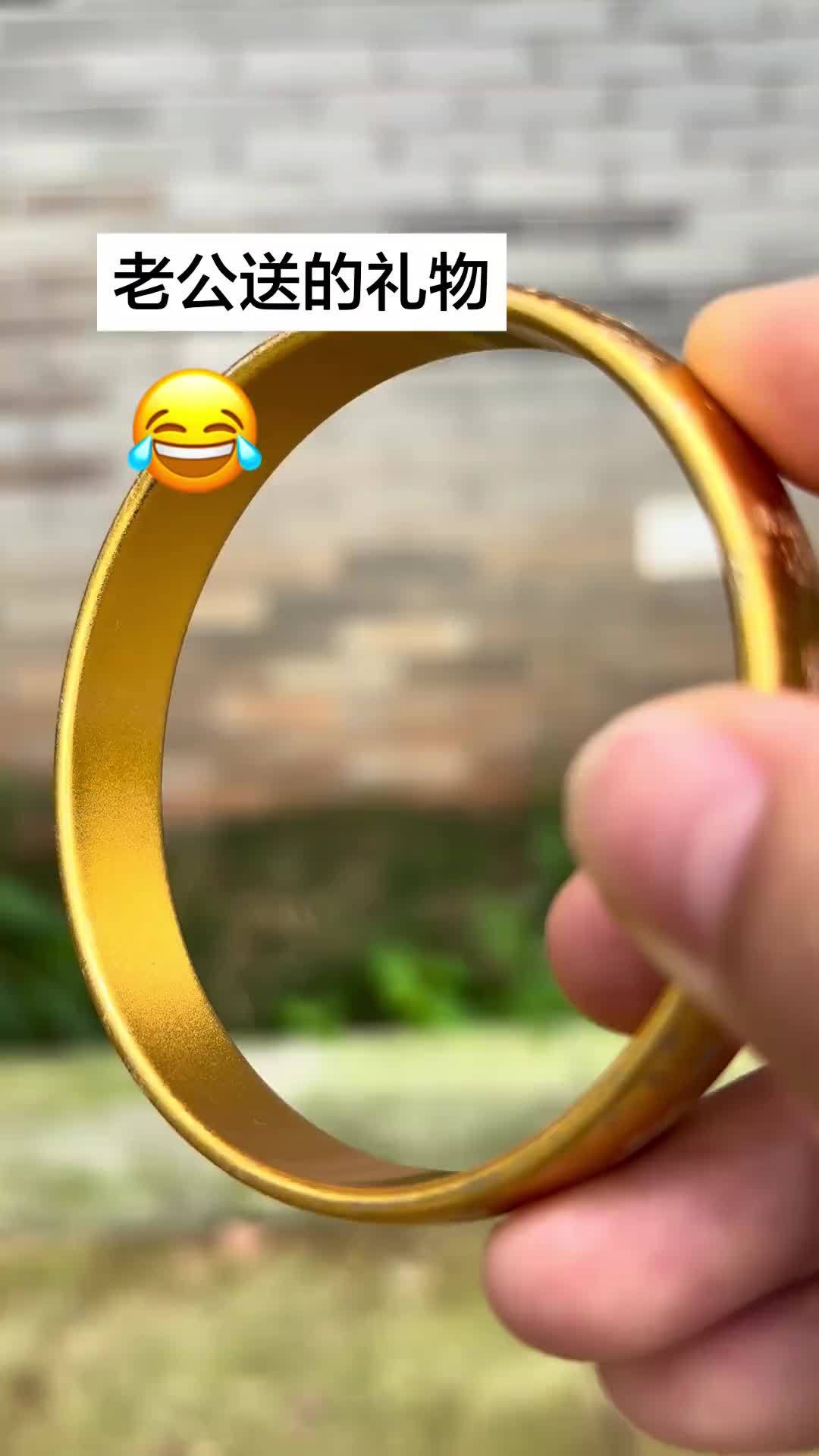
A user on Weibo made the arithmetic plain. She bought a 53-gram gold bracelet for a little over 20,000 yuan; when she took it to a gold shop this week, the same bracelet was worth more than 60,000 yuan. "I didn't do anything, and my gold bracelet made me 40,000 yuan," she wrote, adding a playful jab at readers who had skipped the traditional "five golds" for a wife. The line about a bracelet quietly earning its owner the price of a used car captures why gold keeps its grip on Chinese household budgeting.
That grip is cultural as much as financial. Gold is the default store of value in Chinese gift-giving—weddings, birthdays, newborn celebrations, and the Lunar New Year all move physical gold from one family to another. Buying it is rarely seen as speculation; it is savings that you can wear. But the line between keepsake and investment blurs fast when the spot price spikes. The crowds at counters this week are not speculators from a trading floor; they are people who stored value on a wrist and now want the bank-teller's version of it.
Retail gold never moves in a straight line. The same customers celebrating now describe themselves, in the Chinese phrase, as having "finally outlasted the hardship" (终于熬出头) of being stuck while prices fell. A separate Weibo post warned against reading one good week as a trend: "Those taking profits now are cashing out; others are still holding and watching. Don't blindly chase the rally," one user cautioned. That note of caution is easy to miss in a gold rush, but it restates the oldest rule of the metal—it does not pay dividends, and it only makes you whole when you actually sell.
The resurgent price is part of a broader anxiety-charged moment in global markets, and China's consumers feel it through the same channel as everyone else: when other assets look shaky, gold looks steady. The queues outside gold shops are one visible symptom of that mood. Whether they mark a top or merely a pause will be legible only after the next correction, when the bangle once again shows a loss and its owner must decide whether to wear it or wait it out.