A 59-Year-Old Grandmother Lost 20 Kilograms to Anxiety While Caring for Her Grandson
A grandmother who moved from her hometown to Changsha to look after her grandson lost 20 kilograms in six months and was diagnosed with an anxiety disorder. Her case landed on Baidu's top board as Chinese families confront the physical toll on the grandparents who do much of the country's childcare.
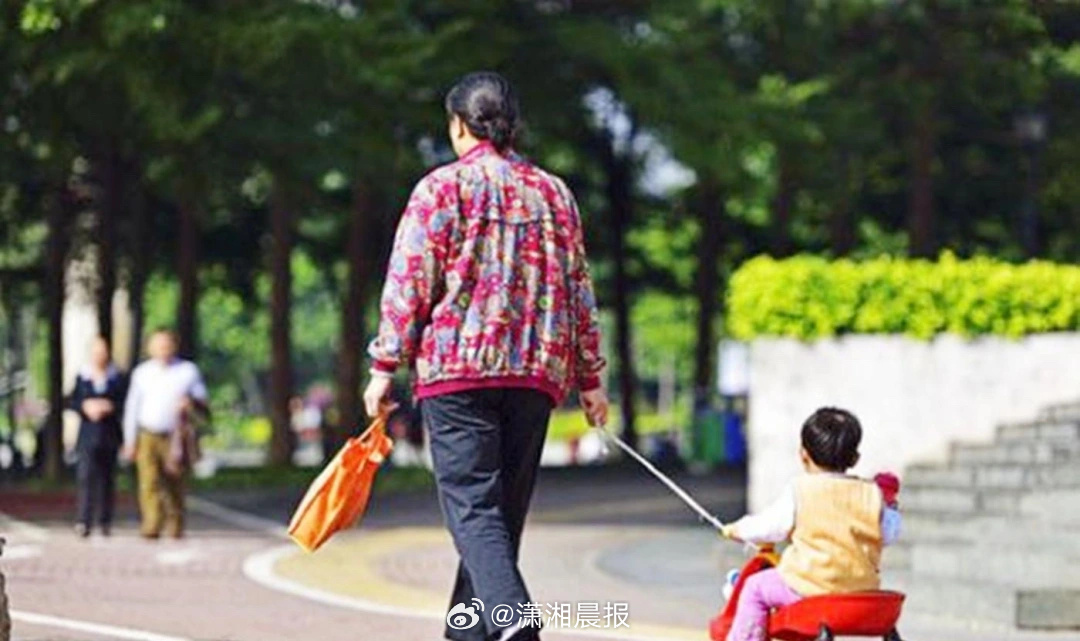
The patient was 59, and she had come to Changsha from her hometown for a job most Chinese families never think of as a job: looking after a grandson. Within half a year, "Grandma Li" had lost 20 kilograms (40 jin, the unit the reports used), could not fall asleep, kept waking in the night, and was suffering stomach trouble no test could explain. The sleep disorders and neurosis department of Hunan's Second Provincial People's Hospital gave her diagnosis a name: anxiety disorder. Her case, reported by the Xiaoxiang Morning Herald and trending on Baidu's hot board under the plain-language headline "a grandmother helped with childcare for half a year, lost 20 kilograms, and was diagnosed with anxiety," has put a face on the unpaid workforce holding up Chinese family life.
The report's details read like a description of a person under performance review. Since taking over the grandson, she had been "tightly wound, pursuing perfection in everything, constantly afraid that her way of raising the child was wrong and that her son and daughter-in-law would blame her." She told doctors that raising her own children decades earlier had felt effortless by comparison; caring for a grandchild had left her exhausted and anxious all day. Her doctor, Chen Jinhong, told the paper that grandparents doing intergenerational childcare are a high-risk group for anxiety, and warned families that unexplained restlessness, chest tightness, headaches, lost appetite and sleepless nights in an older relative are often the body's expression of worry, not simple ageing.
The reaction online settled quickly on a familiar pattern: recognition, then an inventory of why. Grandparents who move cities to follow their children leave behind the friends, routines and status of a lifetime, into an apartment where the parenting manuals — and the parents — have changed under them. One widely shared comment captured the bind: the elderly "silently endure and rarely speak of what it costs them," while many families treat grandparental childcare as a given, seeing the physical labor but not the psychological drain. The commentary blamed no one in particular and described a structural squeeze: two generations of parenting doctrine colliding inside one small flat, with the grandmother "giving everything on one side and doubting herself on the other."
The scale behind one diagnosis is demographic fact. With both parents typically working long hours and nursery places expensive or scarce, the choreography of Chinese urban childcare leans heavily on the retired generation — the same intergenerational transfer that powers everything from down-payments to dinner, a system this site examined in the debate over whether parents should 'boost' their children through life (the 'boosting' debate). As birth rates fall, each grandchild becomes rarer, and the adults who mind them older.
Doctors' advice, as summarized in the Baidu trending entry, is modest: children should schedule real time off for the grandparents who mind their kids, and treat unexplained physical complaints in an anxious elder as a signal to act on. Whether that counsel changes anything is the open question — the arrangement it seeks to soften is not a lifestyle choice but, for most young Chinese families, the only kind of childcare they can afford.