The 'Boosting' Debate: Should Chinese Parents Carry Their Children Through Life?
A viral essay about a grandmother who carried three generations — jobs, homes, marriages — has Chinese parents arguing over 'boosting': whether full family support breeds idleness or is simply the rational response to an economy that no longer rewards striving.
A question popped onto Weibo's trending list this week that would have sounded strange to no one a generation ago, yet now divides the country's parents: if parents spend everything to lift a child — jobs, housing, marriage — will the child be "raised into uselessness"?
The trigger was an essay by a Hangzhou finance-industry blogger, liked more than 3,700 times, describing a family she knows well. The grandmother — "a famous 'boosting' mother" — had single-handedly secured state-sector jobs for both daughters, arranged good marriages, bought each a home, and kept subsidizing the family for life. Two further generations have glided along inside the framework she built: her daughter and son-in-law "do what the job requires and nothing more," love food and hiking, and their son — a cheerful poor student who made it only into a vocational college — now works an ordinary job and dotes on his elders. Four generations under one roof, each rung lower on the social ladder, all of them, she reports, happy. "Let the capable child fly; let the one without ability lie down at home," she concluded. "What comes next, no one can say — but these past fifty years were very good ones."
The word at the center, tuōjǔ — to lift or carry aloft — has become the term of art for the family strategy of the Chinese middle class: parents bankroll apartments, pay for exam retakes, mind the grandchildren, treating the family's pooled resources as the child's launchpad. It is the gentler cousin of the helicopter parenting this site covered last week, when parents began following their children onto university campuses in group chats. And it sits atop a quieter anxiety: in a job market that no longer reliably rewards striving, what is all the pushing for?
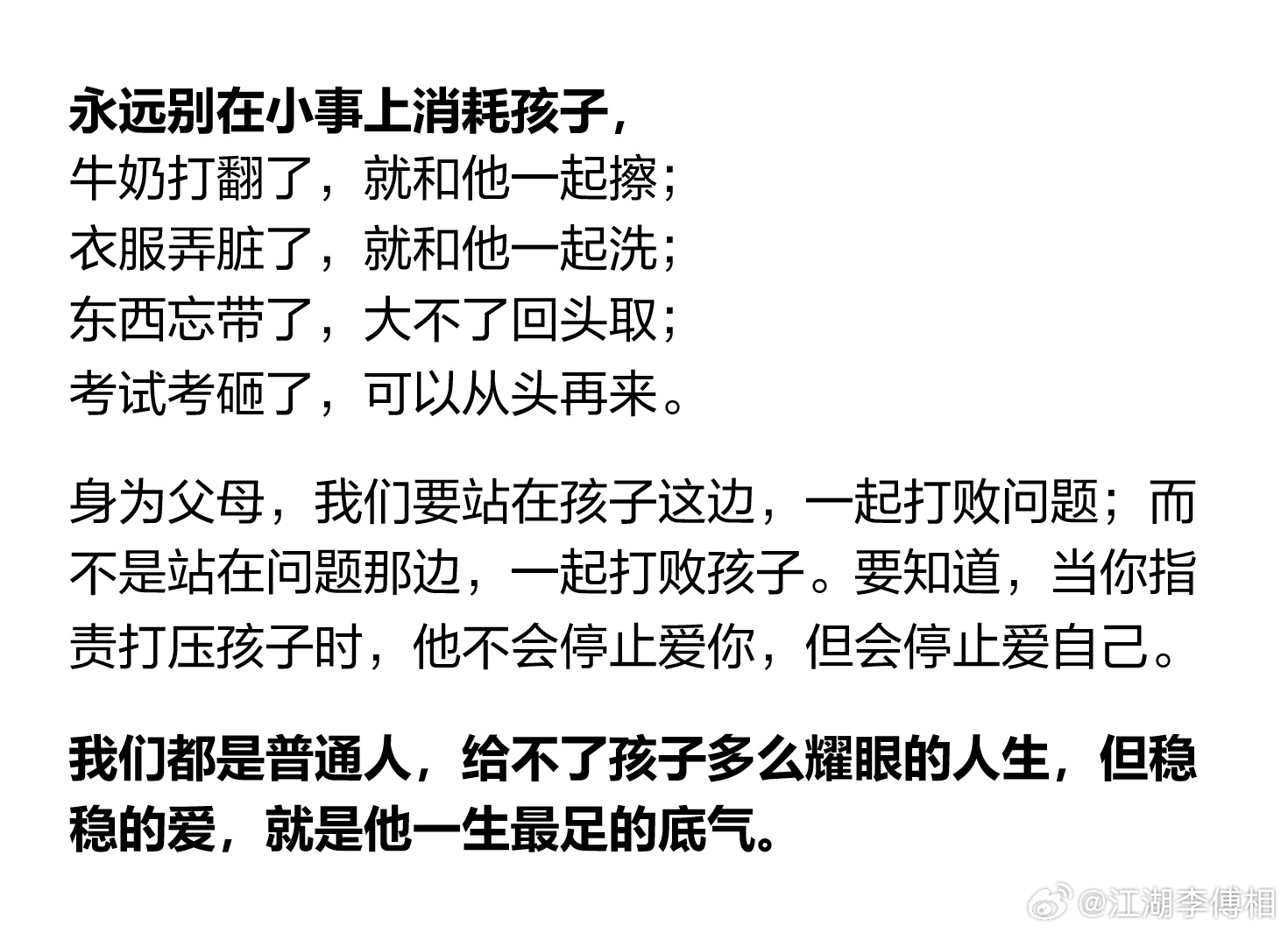
The replies, perhaps surprisingly, mostly defended the boosting. "Children raised this way have a confidence that comes from inside," one commenter wrote — not outstanding, perhaps, but happy, and close to their parents. "Being boosted is lucky; it saves so much strength. Why would it spoil anyone?" asked another. A gentler middle position gathered its own agreement: most parents cannot give a child a dazzling life, but "steady love is the most solid backing a person can have."
Beneath the warm anecdotes, the argument is really about arithmetic. An apartment can cost thirty years of wages; a "useless" degree costs four more. If the family's wealth can buy a child comfort that a decade of striving no longer guarantees, the rational strategy — the Hangzhou essay implied — is to stop pretending otherwise. The uncomfortable question the trending topic never quite answers is what happens to the third generation when there is nothing left to boost with.