Undercover Investigator Exposes Underground Surrogacy Clinic in Guangzhou
An undercover investigation has revealed a hidden operating room and embryo laboratory serving a commercial surrogacy ring in a walled courtyard in Guangzhou, entered by police only after the investigator publicized his complaint — a glimpse of the gray market that persists around China's ban on paid surrogacy.
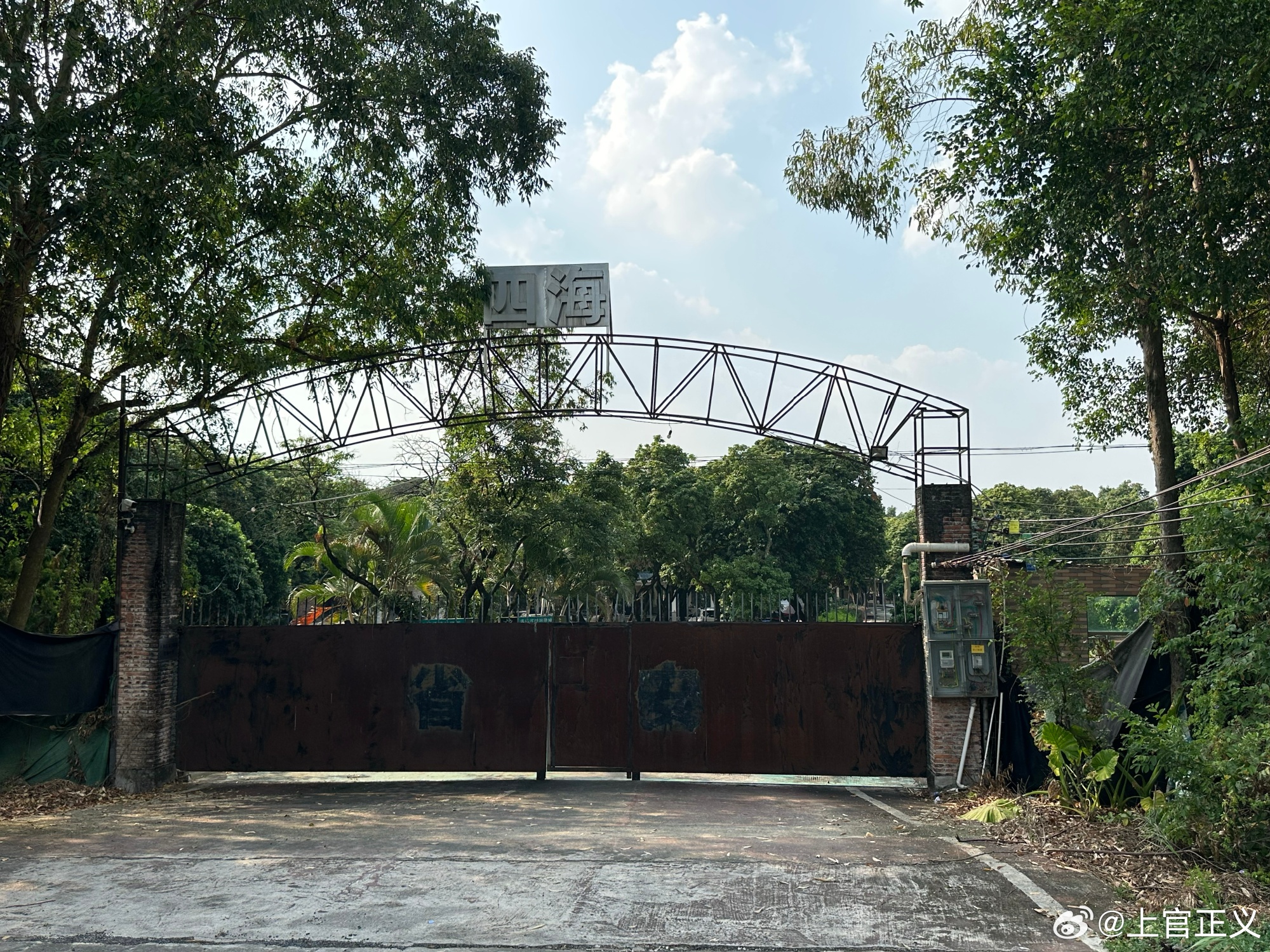
The complaint was unusually specific. A walled courtyard beside the Liuxi River in Guangzhou's Baiyun district, an undercover investigation had found, concealed a working operating theater and an embryo laboratory for a commercial surrogacy ring. On October 20 the investigator, Shangguan Zhengyi, a veteran anti-trafficking volunteer, reported the site to local authorities — and then live-posted what happened next.
When he brought police to the compound that afternoon, he wrote, they told him that with nobody available to open the gate and lead the way, there was little they could do. Shangguan recorded the exchange, and after publicizing his complaint — recording and all — officers entered the courtyard. By evening, he reported, they had found medical devices and drugs inside. His photographs show what the site let the street see: a rusting gate behind a steel archway signed "Four Seas," trees crowding the driveway, nothing to announce what was said to lie behind it. The post has been liked more than 10,000 times, and Shangguan is urging Guangzhou to pursue not just the clinic but the whole chain behind it.
Commercial surrogacy is illegal in China. Paid surrogacy is banned outright, and assisted-reproduction treatment may be offered only by licensed hospitals, to married couples who meet medical criteria. The ban has not dissolved demand — from infertile couples and, increasingly, from single people — and a gray market has grown up to serve it, run through brokers who advertise in coded language and clinics that exist on no register. Because these operations are underground, the risks land on the women recruited to carry the pregnancies and on buyers whose contracts have no legal standing at all.
Under the hashtag, readers argued over what the case says about the country. "Has the world really gone this far?" one wrote. "It's illegal no matter what — and it has nothing to do with whether young people want children." The comment was pushing back on a familiar strand of online discussion that reads every fertility scandal through China's falling birth rate, as if a black-market operating room were a symptom of reluctance to reproduce rather than of a market the law refuses to see.
Whether the Baiyun case produces prosecutions beyond the courtyard is now the test. Shangguan's own account makes the friction plain: the compound was entered only after a public complaint backed by recordings, hours after a first visit that ended at a locked gate. Underground fertility clinics survive in exactly that gap — between what a city knows is out there and what its enforcement can reach without being led in.