Ninety Years On, China Reruns the Long March — in Prime Time, in Stamps and in Class
The 90th anniversary of the Long March has filled China's screens and trend lists: a CCTV documentary series airing nightly, state essays topping both Weibo and Baidu, a new film about Edgar Snow, and a metaphor that still frames how the country asks to be understood.
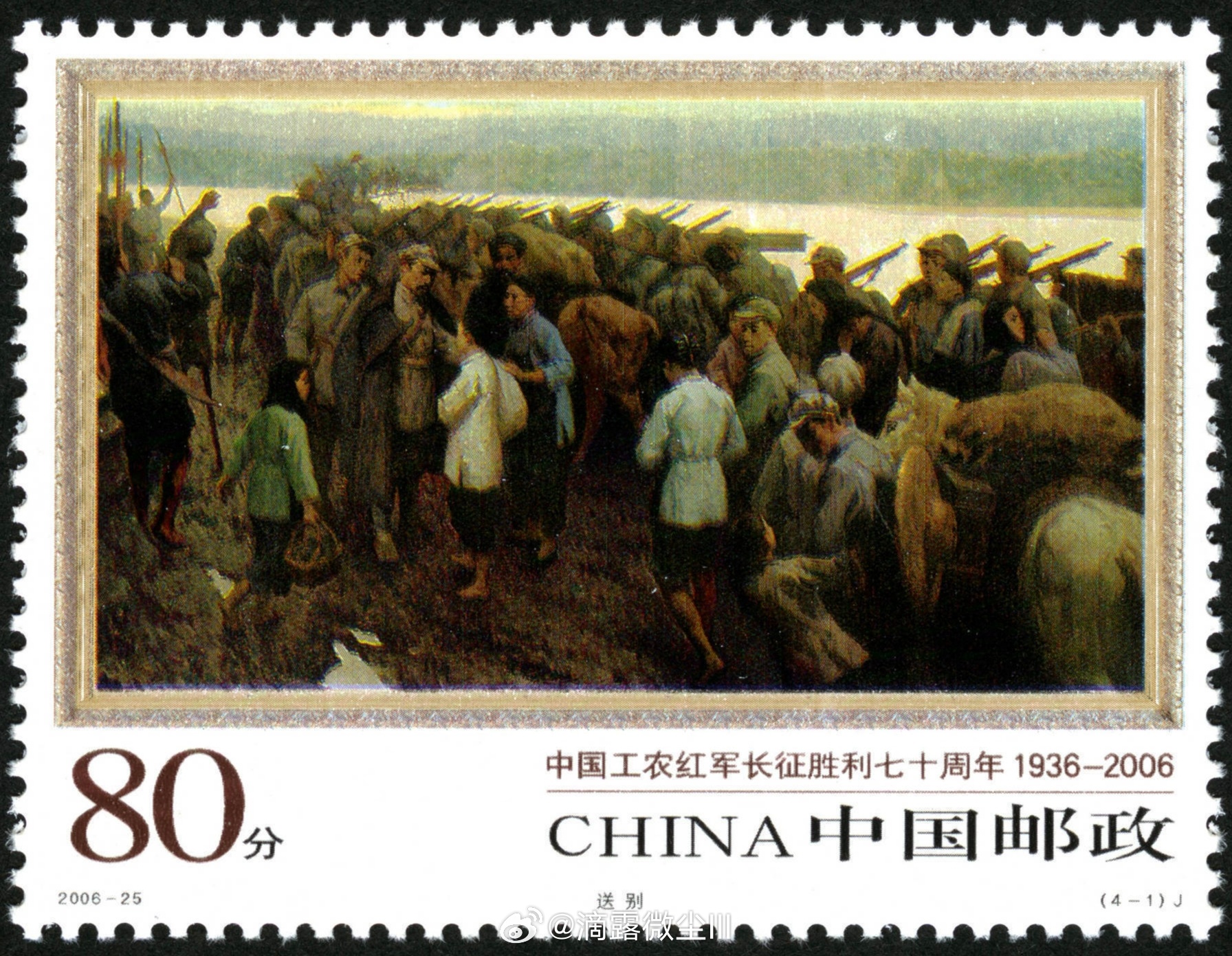
Ninety years after the Red Army's Long March ended in October 1936, the campaign has taken over China's screens again — by design. Xinhua's flagship "Zhonghua Lun" commentary, "Forge Ahead on the New Long March," sat atop both the Weibo and Baidu trend boards this week; CCTV is airing a seven-part documentary, "The Great Expedition," nightly; Hunan TV has layered a six-part series on top, profiling figures from march history and their descendants; People's Daily and Qiushi, the party's theory journal, have run matching essays. The anniversary of a retreat that became a founding legend is being marked with the full apparatus of the state media system.
The history being retold is of a campaign that ran from October 1934 to October 1936, when the Red Army broke out of encirclement in southern China and marched thousands of kilometers to a new base in the northwest, fighting, starving and crossing some of the country's harshest terrain along the way. The anniversary has also pulled that history back into the landscape. In October 1934, some 86,000 soldiers crossed the Yudu River in Jiangxi to begin the march, ferried over on pontoon bridges made from villagers' door planks; today five bridges span the same water, named for the Red Army, the Long March, the muster, the crossing and the victory.
The state is telling the story outward as well. October 20 brought the release of "Edgar Snow: A Signature Across the World," a documentary on the American journalist whose 1937 book "Red Star Over China" first carried the Long March to international readers — a reminder that the commemoration has always had a foreign audience in mind, and that this year's edition reaches it through the man who wrote the story's first Western draft.
The why, for an outsider, lies in the phrase doing all this work. The "new Long March" is the metaphor official rhetoric reaches for whenever it asks a generation to accept hardship for a distant goal — economic, technological or military. A People's Daily columnist described his first-grade son coming home to announce that the semester's textbook units had been mapped onto the march's stages: "today we're going to seize the Luding Bridge." The curriculum walks the route; the bridges carry its names; the documentaries re-air it nightly.
That is also why the anniversary reads as more than history. The Xinhua essay's own conclusion makes the claim explicit: the march is not being marked as a concluded event but as a method — evidence, ninety years on, that long campaigns begun in retreat can be steered to victory, which is precisely how the country's leadership asks its own trajectory to be understood. The stamps collectors are posting this week — a 2006 issue reproducing an oil painting of soldiers and villagers crossing a river at dawn — mark the 70th anniversary; the 90th has its own machinery running, and its metaphor is still in present tense.