Hainan Reels From Its Heaviest Rain in 68 Years as Typhoon Azalea Takes Shape
Wuzhishan, in the mountains of Hainan, logged its heaviest 24-hour rainfall in 68 years, setting off flash floods, a school-slope collapse and a tornado in Wanning as more than 42,000 people were moved to safety. With the rain now easing, the island is watching a new system offshore: Typhoon Azalea, which could reach super-typhoon strength just ahead of China's busiest holiday fortnight.
The mountain city of Wuzhishan, in the middle of China's tropical Hainan island, spent Monday under the strictest emergency posture a Chinese city can declare: the "five stops, one closure" formula that halts work, classes, production, transport and business, and closes the scenic areas. The trigger was its heaviest 24-hour rainfall in 68 years — a downpour that left streets across town under water and sent flash floods pouring down the slopes around it.
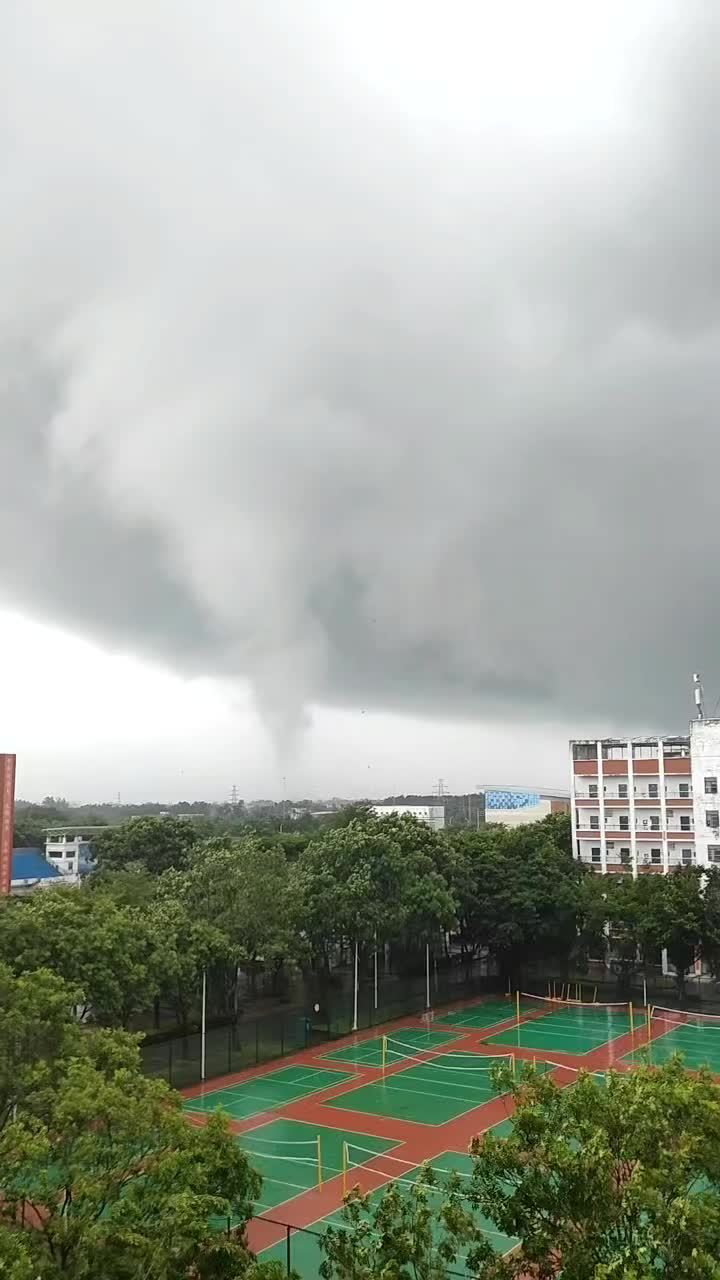
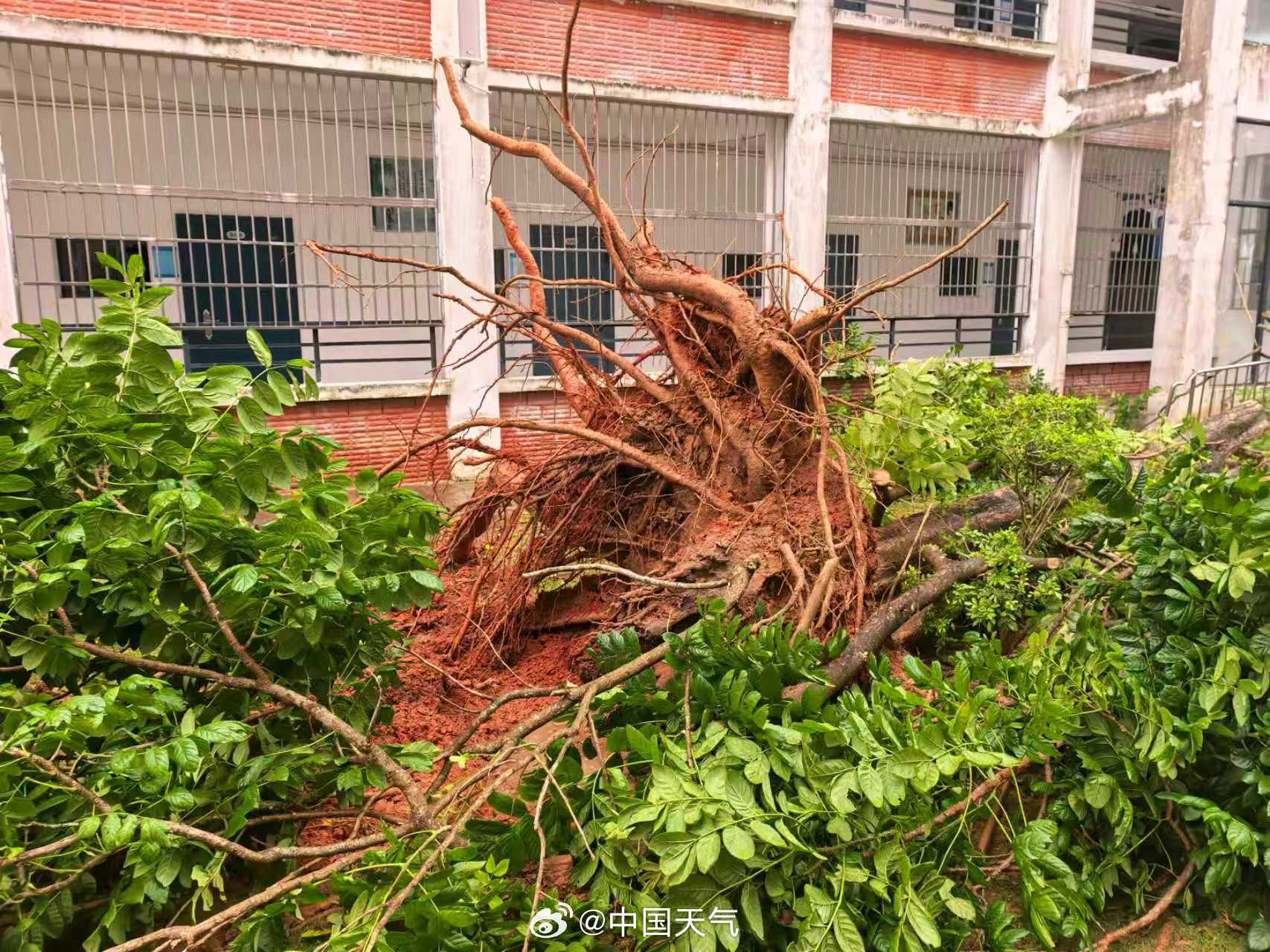
The water did its damage quickly. Rescuers pulled fourteen people alive from a mountain torrent that surged through a gully outside the city, and a slope beside Wuzhishan Middle School collapsed near the Chunlei sluice gate; the city's education bureau said pupils had already been sent home for the day and the teachers still on campus were moved to safety; staff from the city's emergency management bureau told a Chinese outlet they had cordoned the site within minutes. On the island's east coast, a tornado spun up over Wanning's Wancheng township at around 10:25 a.m., preliminarily graded EF0 — the weakest rung on the scale — yet carrying winds of force 11 to 12 that felled trees and damaged structures, according to Wanning's meteorological bureau.
Across the province, authorities moved more than 42,000 people to safety and suspended classes in several cities, and two national ministries warned that parts of central Hainan faced a high risk of landslides and mudslides. By evening, with the downpour weakening, the province stepped its flood-control response down from Level II to Level III — while its own forecasters cautioned that saturated ground keeps giving way after the sky clears, and that the risk of secondary disasters would linger for days.
The storm behind the deluge was not even a proper typhoon. Forecasters traced the rain to the remnant vortex of a tropical depression that dragged a deep plume of moisture ashore and rammed it into a mass of cooler continental air. That recipe — a fading tropical system plus cold air — is a classic autumn flood-maker for South China, and it is the same one that broke Wenzhou's daily rainfall record less than a fortnight ago.
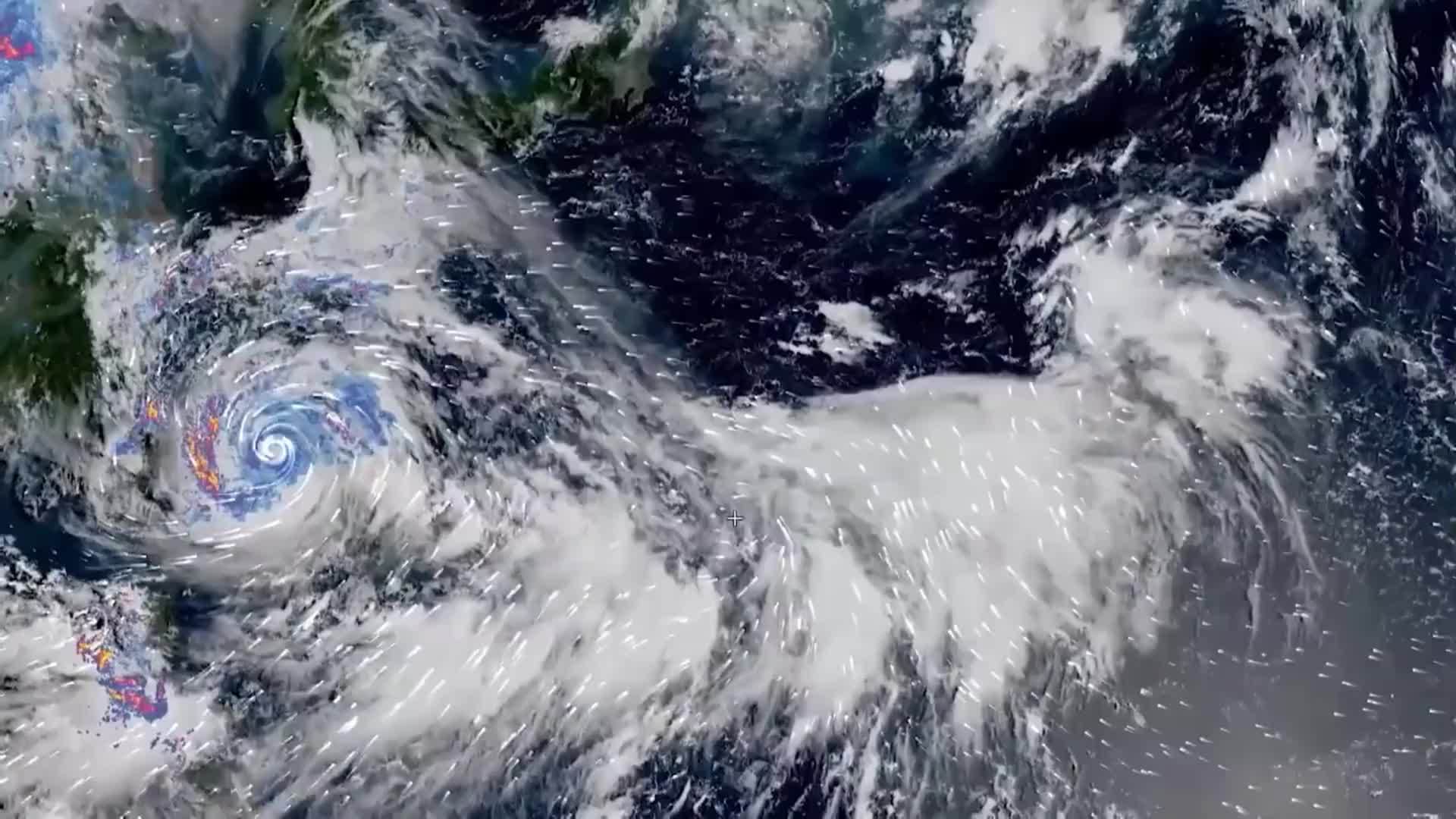
The next storm is already assembling. Japan's weather agency flagged a disturbance far out in the western Pacific on Monday morning, expected to strengthen into this year's 25th typhoon, Dujuan — Azalea in English, a name China contributed to the region's rotating list of typhoon names. Forecasters expect it to intensify over warm autumn seas, quite possibly to strong- or even super-typhoon strength: September produces more super typhoons than any other month. Most model tracks bend it north toward Japan, but a westward approach to the Chinese coast has not been ruled out, and at this range the uncertainty is unusually wide.
For Hainan the timing is awkward. The Mid-Autumn and National Day breaks, China's busiest travel fortnight, begin on September 25, and the island counts on exactly those weeks for its tourism economy. On Weibo, weather-tracking accounts urged readers to ignore the unofficial track charts circulating in group chats. "A typhoon this far out is full of variables — there's no need to panic ahead of time" (不用提前恐慌), one wrote; watch the official forecasts instead. Azalea's path should firm up within days, and a coast still wringing itself out will be watching.