A Pasta Photo, a Chipped Plate and Four Silent Years: Hebe Tien Says She Now Speaks 'Very Carefully'
The Taiwanese pop star says she now weighs every public word as she promotes her first album since a 2022 pasta photo and a chipped plate turned silence into the costliest stance test in recent Mandopop memory.
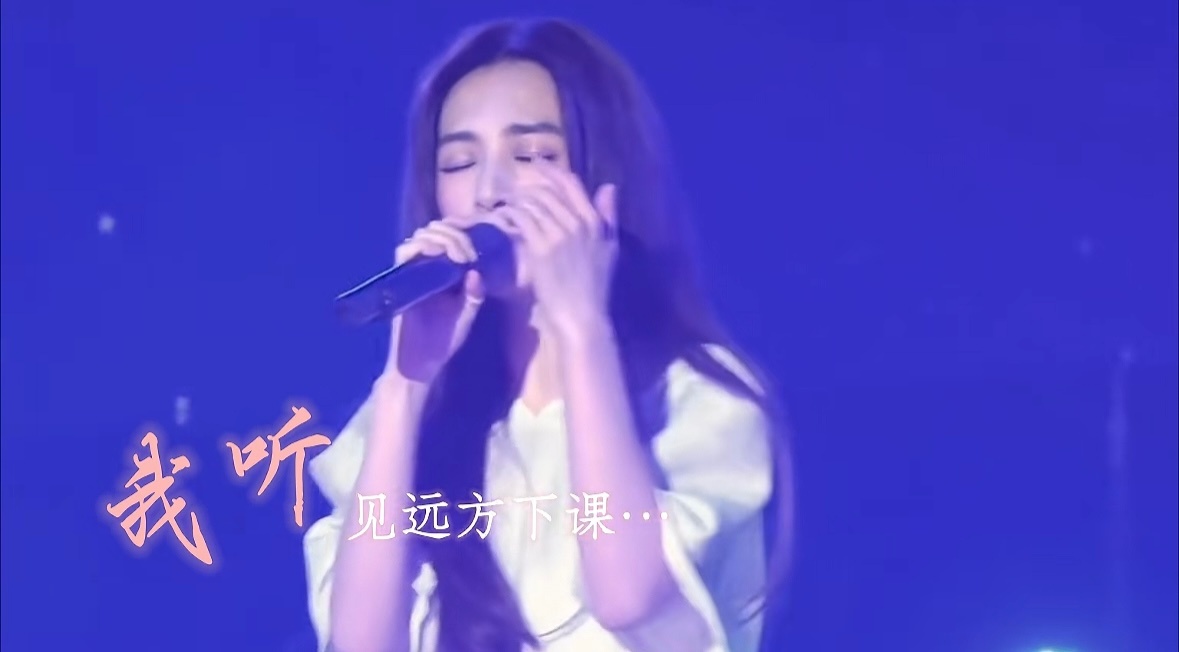
Hebe Tien was promoting her new album on a livestream this week when she offered an unsolicited admission. The Taiwanese singer — lead voice of S.H.E. and one of Mandopop's defining soloists of the past two decades — said she now has to weigh every public word: "We're all speaking Chinese, but not everyone can understand what I mean." The clip spread across Weibo within hours; the most widely shared video post of it has been liked about 24,000 times.
What she was being careful about has never been a secret. In August 2022, when Nancy Pelosi's visit to Taiwan inflamed Chinese social media, Tien posted a photograph of her pasta lunch with the caption "no need to puff up a swollen face" (不用打肿脸) — an idiom for pretending to be better off than you are. Weeks earlier, on 7 July, the anniversary of the 1937 Marco Polo Bridge incident, she had posted a chipped plate captioned "碎碎平安" — "may the broken be safe" — a pun many read as a jab at "broken" territory. She explained neither post, and she has never stated the position on the one-China principle that mainland audiences expect of Taiwanese celebrities.
The cost arrived one platform at a time. Her song "离岛" ("Offshore Island"), whose lyrics were read as political metaphor, was pulled from mainland streaming services; endorsements and variety bookings disappeared; when she was announced for a Tianjin music festival in 2024, a boycott campaign forced the organiser to cancel her slot, citing "event preparation reasons." A roundup of this history by the Henan newspaper account 大河报 has drawn more than 15,000 likes this week.
Her new album, "要去什么地方" ("Where to Go"), is streaming on mainland platforms — but with no offline promotion, a hybrid existence that explains the livestream's odd blend of publicity and caution. Chinese reactions split along a familiar line. One widely shared post argued that "what needed care was never the wording — it was the bottom line": a single declarative sentence, the writer maintained, would have ended the boycott years ago, and "her silence itself was the attitude." Others read the situation as simply sad — a singer whose "A Little Happiness" (小幸运) still soundtracks every graduation season, undone by posts she never clarified.
Beijing's Taiwan rhetoric has hardened in recent weeks, as this site covered at the Xiangshan Forum, and the entertainment industry is where that politics reaches ordinary consumers. Taiwanese artists work in the world's largest Mandarin-pop market on an unwritten test: say the sentence, or work outside the market.
Tien's album asks where one is going. On the mainland, her answer for now is digital only. Whether she ever says the words her critics demand, or whether the market simply reorganises without her, is the question four years of silence have left open.