No Cause, Still Pain: Hua Chenyu's Concert Speech on Unexplained Despair
At his 2026 Mars stadium concert, pop star Hua Chenyu told the audience that despair does not always need a reason, described researching bipolar disorder, and asked fans not to dismiss a friend's nameless suffering as 'moaning without an illness' — the very phrase that is the stigma.
Somewhere between the songs at this year's Mars stadium concert, Hua Chenyu spent a long stretch of stage time talking about his own mind. The pop star, one of the biggest names in Chinese music, told the audience he had noticed something about himself this year: the pain did not always come from anything. The thought of not wanting to live, he said, could simply arrive — no event behind it, no reason he could name. Fan transcriptions of the speech were reposted more than 1,400 times.
He said he had gone looking for a name for the state and found the closest description was bipolar disorder, the cycling condition of depressive lows and restless highs. Songs he wrote years ago, he added, now put him in a different state when he sings them. Then came the plea the hashtags picked up. He had long told fans to stay close to friends in that kind of pain; what he wanted to add was a corollary — when you ask someone what is wrong and they cannot name a reason, do not decide that they are 无病呻吟, 'moaning without an illness.'
That idiom is why the speech escaped his fandom. In Chinese it is precisely the accusation waiting for anyone who tries to describe psychological pain they cannot attribute to a cause — the everyday reflex that turns unexplained suffering into an etiquette offense. A stadium-headlining pop star telling a young audience that nameless pain counts as pain carries weight in a country where psychiatric services remain thin outside the big cities and a diagnosis can still feel like a confession.
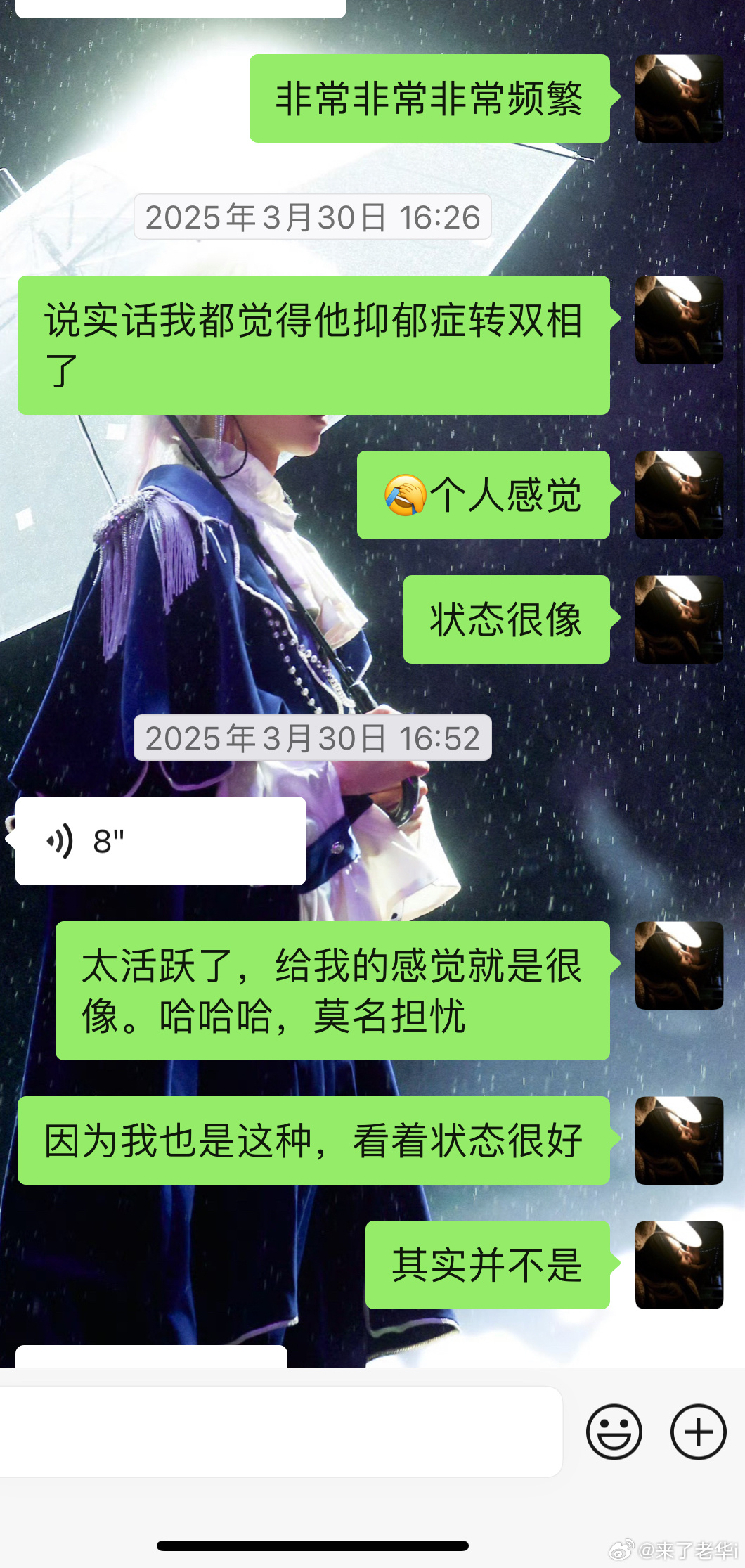
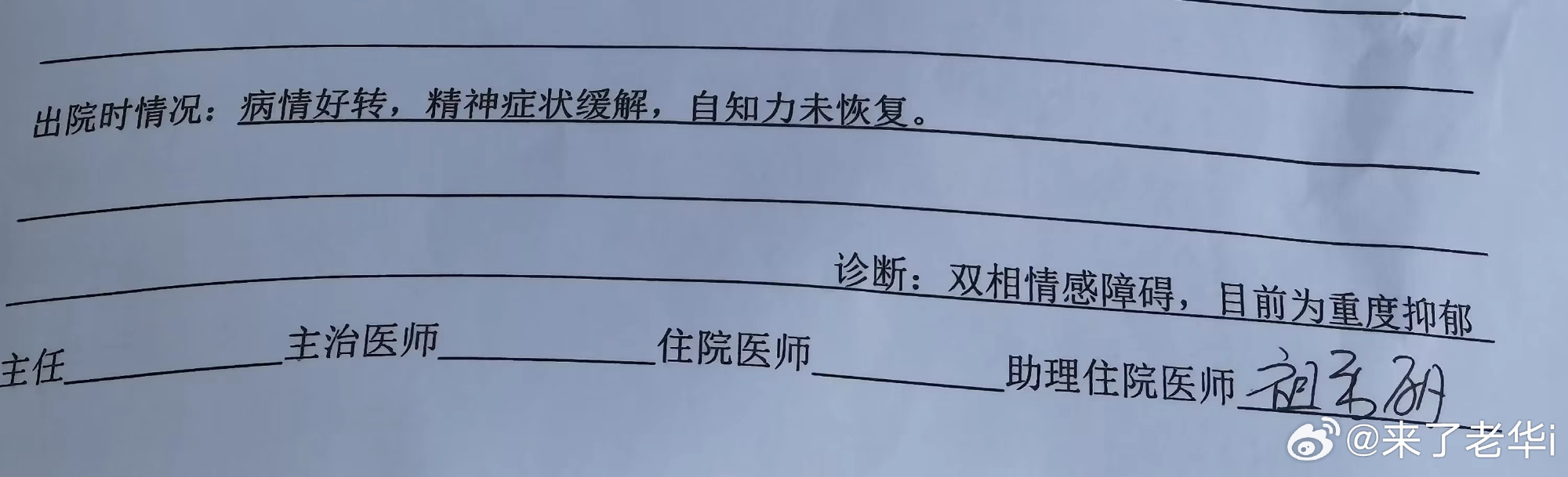
The replies showed how precisely it landed. One fan who lives with the condition wrote that she recognized the description at once — 'as a bipolar patient, how could I not know that state?' — and signed off hoping he keeps on living well. In the same post she went further, sharing a photograph of her own psychiatric discharge summary, its diagnosis line reading 'bipolar affective disorder, currently severe depression.' It was, in public and to strangers, exactly the exchange he had asked the audience to have in private.