Iranian President and Foreign Minister Die in Helicopter Crash, Nation in Mourning
In a tragic turn of events, Iranian President Ebrahim Raisi and Foreign Minister Hossein Amir-Abdollahian have perished in a helicopter crash in East Azerbaijan Province, Iran, on May 19th, 2024. The incident, confirmed by Iranian state media, has left the country and the international community in shock and mourning.
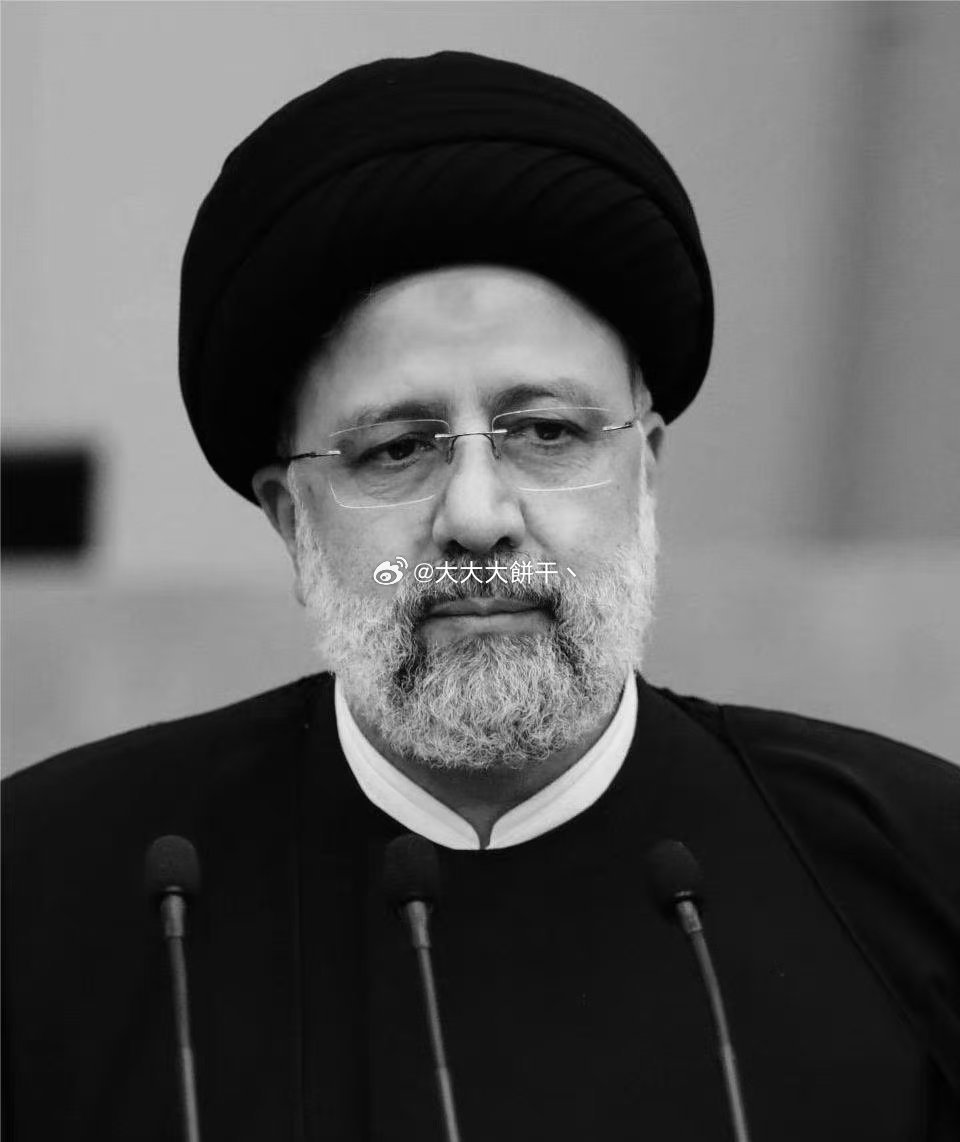
The crash site was located after intensive search efforts, but no survivors were found among the wreckage. The helicopter carrying President Raisi, the Foreign Minister, and other high-ranking officials crashed amidst adverse weather conditions that included dense fog, making the rescue operations exceedingly difficult. The helicopter's remains were discovered in a mountainous region, which further complicated the search and rescue mission. The crash has significant implications for Iran's political landscape as Raisi was considered a strong contender to succeed the 85-year-old Supreme Leader Ali Khamenei.
Known for his hardline stance and anti-corruption efforts, Raisi was a prominent figure within the Iranian government and had accumulated substantial influence. His unexpected demise raises questions about the continuity of leadership and the direction of the nation's policies. The cause of the crash remains under investigation. Some sources have speculated about the potential impact of prolonged economic sanctions on Iran's aviation technology, suggesting that these restrictions might have contributed to the helicopter's malfunction. One Weibo user reflected on the broader implications of Raisi's death, stating, "This sudden event could lead to more instability in the Middle East."
The helicopter involved in the crash was an American-manufactured Bell 212, purchased by Iran's navy in the 1970s. Experts have highlighted the outdated nature of this model, noting its lack of modern safety features such as advanced radar and night vision capabilities. The decision to use this specific helicopter, instead of more advanced models available to the presidential office, has puzzled some aviation analysts and led to increased scrutiny.
The international community has expressed condolences and concern. Chinese Foreign Minister Wang Yi expressed deep sorrow at the news, extending heartfelt condolences to the families of Raisi and Amir-Abdollahian. He emphasized the significant role both leaders played in fostering China-Iran relations and regional cooperation. Wang also reiterated China's readiness to support Iran during this difficult time. The response from other global actors has been mixed.
The Israeli government was quick to disassociate itself from the incident. However, a controversial tweet from an Israeli official that appeared to mock the accident has drawn criticism. The tweet underscored the tension between Iran and Israel, with some viewing the comment as an example of the deep-seated animosity between the two nations. Domestically, Iranians have shown a range of reactions. Public gatherings in Tehran saw citizens praying for Raisi and his team, while social media platforms reflected both mourning and, in some cases, muted celebrations. These mixed responses highlight the polarized opinions surrounding Raisi's presidency and policies. The crash raises immediate questions about Iran's political stability and future governance.
According to the Iranian constitution, in the event of a president's death, the first vice president will assume presidential duties until a new president is elected. Therefore, First Vice President Mohammad Mokhber is expected to take over the responsibilities temporarily. Mokhber has a strong political and professional background, having held prominent positions, including the chairman of the powerful economic and charitable organization, Setad.
The Iranian government has announced that it will continue its operations without disruption. The cabinet has convened a special meeting to discuss the implications of the crash and outline the next steps, including the organization of a state funeral. A committee comprising the first vice president, the speaker of the parliament, and the head of the judiciary is mandated to hold presidential elections within 50 days. Raisi's death has not only created a vacuum within Iran's leadership but also cast a shadow over the country's immediate future. The potential contenders for the presidency, the shifting alliances within the political landscape, and the implications for Iran's foreign policy are all areas of concern. The stability of the region, already fraught with tensions, might face further challenges in the wake of this incident. As Iran navigates through this turbulent period, the international community remains watchful. The geopolitical implications of Raisi's death and the subsequent transition period could influence broader dynamics in the Middle East, impacting not just Iran but also its neighbors and global stakeholders who have vested interests in the region's stability.