Why South Korea's Footballers Cried After Winning Asian Games Gold
A 1-0 win over Japan gave South Korea a fourth straight Asian Games football title — and its players an exemption from military service that, for a squad full of Europe-based professionals, matters as much as the trophy.
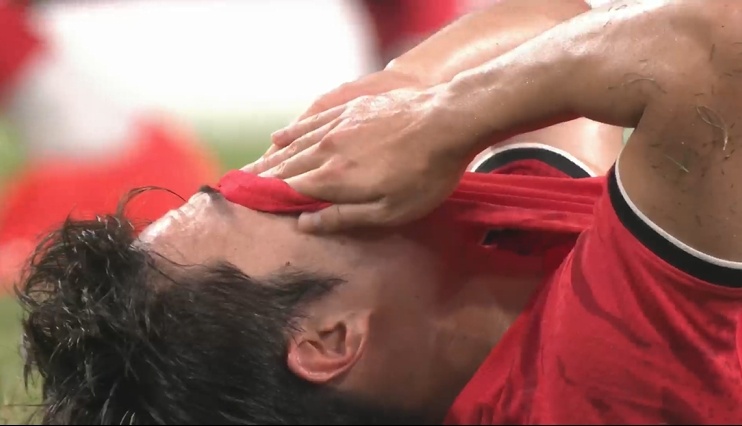
When the final whistle went in Nagoya on Saturday, South Korea's under-23s did not run to the corner flag. They fell where they stood. Players lay on the turf, pressed shirts to their faces, hugged whoever was nearest; head coach Lee Min-sung's eyes reddened on the touchline. The scoreboard read 1-0, settled by a goal from Eom Ji-sung, and it meant a fourth consecutive Asian Games football title. The tears, everyone understood, were about something else.
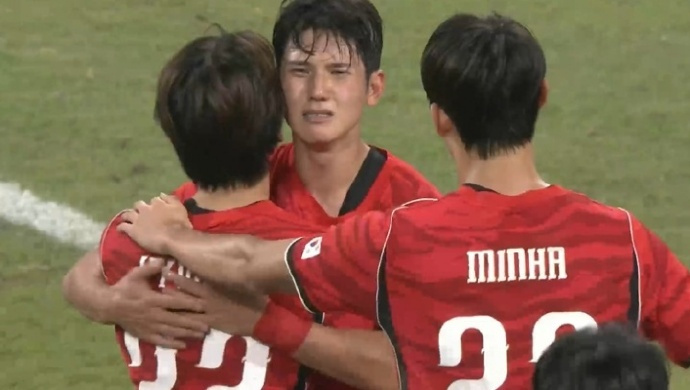
Under South Korean law, virtually every able-bodied man must complete a stint of military service — around 18 months, landing squarely in a footballer's peak years. An Asian Games gold medal buys an exemption. That single rule shapes how Korea approaches this tournament: clubs release their Europe-based players for it because the prize is not a trophy but a deferral, and squads arrive carrying the weight of careers rather than fixtures. This one included several overseas professionals for whom, as one sports account put it, the gold "preserved the prime of their careers" without a break in their stints abroad. The crying, the same account noted, carried as much relief as joy — the sound of a burden accumulated over a whole tournament finally set down.
The streak itself is old news in Korea: it began at Incheon in 2014, when a 1-0 extra-time win over North Korea delivered the country's first football title in 28 years, and it survived Jakarta 2018, another extra-time final against Japan. Four finals since 2014, four titles — and each one has ended the same way, with a cohort of players stepping off the service list.
The final ran on the same day China's own under-23s took bronze against Uzbekistan on penalties — their first Asian Games football medal in 28 years. The two results made an accidental study in incentives. Korea's players wept because gold had freed them to keep playing; China's celebrated because a bronze, at last, had arrived.
For the winners, the aftermath is administrative: back to their clubs, service deferred, careers unbroken. For everyone else in the region, the lesson is equally plain. As long as an Asian Games title can suspend military service, Korea will keep sending its best available twenty-somethings — and the rest of the draw knows exactly what they are playing for.