The Warmest Ending in Chinese Reality TV Turns Into a Public Family Quarrel
Li Leyou, the rural girl whose twelve-year sponsorship by a stranger's family became China's best-loved reality-TV sequel, has moved out of her benefactor's home. A falling-out aired on livestream — allowances cut, a noodle shop refused — has the country arguing about gratitude, adulthood and who owns a life story.
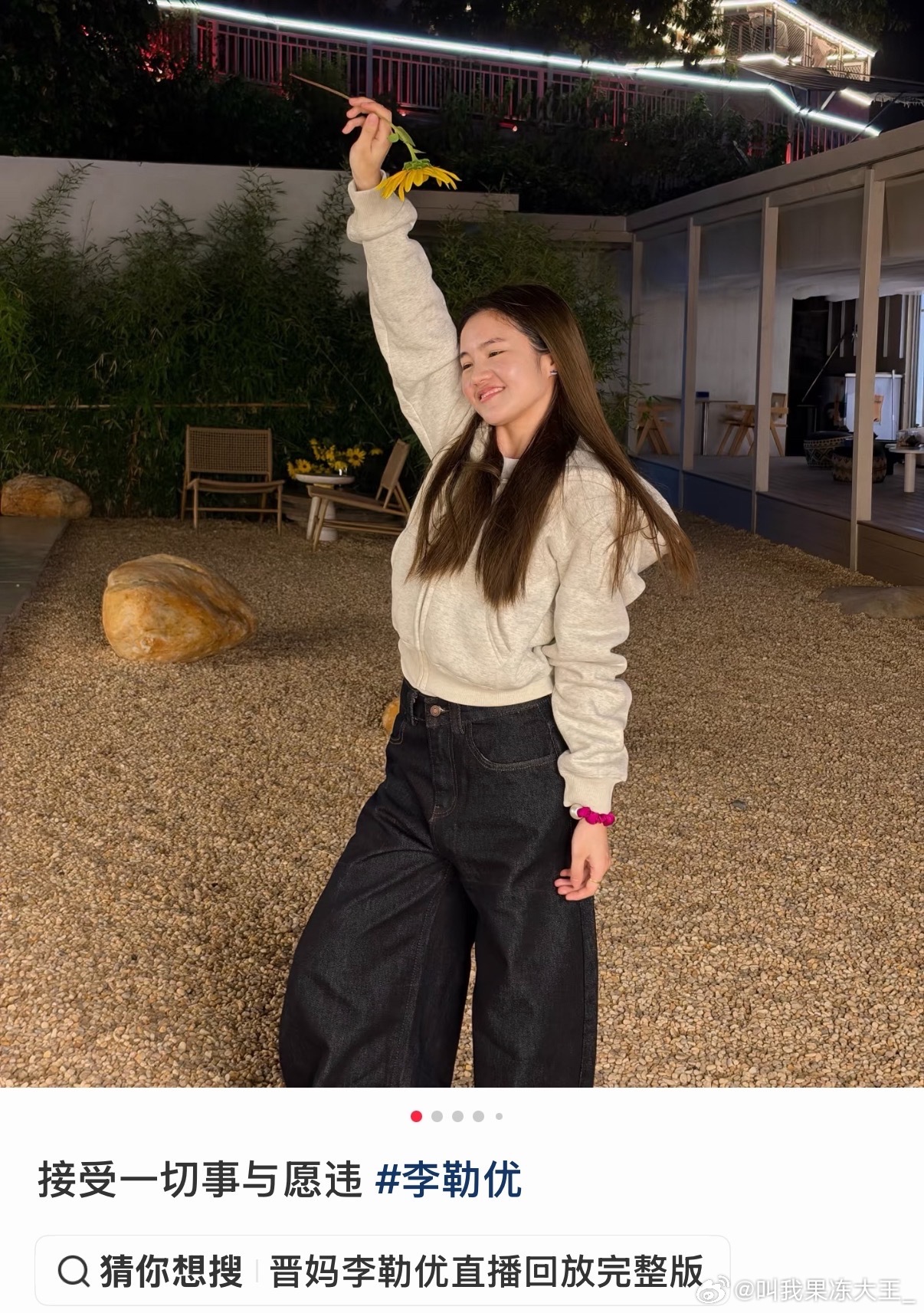
Three hashtags about a single family filled Weibo's top twenty this weekend, all pointing at the same slow-motion rupture. Li Leyou — the girl a stranger's family sponsored for twelve years after the reality show "X-Change" paired them in 2015 — has moved out of their home in Dalian. Wu Li, the matriarch her followers call "Jin Ma," has been discussing the split on livestream. Neither side has issued a formal statement. The country is picking sides anyway.
"X-Change" (变形记) was Hunan TV's social experiment: a city teenager and a rural one swap lives for a month. Most pairings dissolved when the credits rolled. This one didn't. Cui Jin, the city participant, and his mother kept funding Li Leyou's schooling in Dalian; she stayed, went to university there, and drifted into the family's frame — first as a heartwarming epilogue, then as the face of their short-video account and a fixture at their noodle restaurant. Baidu's trending board still carries an item asking whether the show's "warmest aftercare" has overturned.
This month the epilogue turned into a dispute, conducted in public. According to entertainment accounts relaying Jin Ma's livestreams, she stopped Leyou's allowance months ago, complains that the 25-year-old sleeps all day and will not help in the busy shop, and tried to place her as a server there — over which the two quarreled. Jin Ma has called her "simple, mentally immature." "I've raised her twelve years and grown white hairs doing it," she said in one clip. "I don't plan on growing any more." When commenters objected that a grown woman does not owe her benefactor waitressing shifts, the reply came back: it is all service work, and if she insists on playing the pampered young lady, there is nothing anyone can do.
Leyou has said almost nothing. Days before the story broke she posted a photograph of herself at night holding a sunflower, captioned "accept everything that goes against your wishes" (接受一切事与愿违) — now read as her only public word on the rupture.

The verdicts split along a familiar seam: twelve years of someone else's money repaid with silence, or an adult finally claiming a life that was never hers to refuse. The sharpest charge came from a third direction. "They only brought her home in her final year of high school — and started filming right away," one widely shared post noted. "She has no savings in her own hands to this day. If Youyou were her own daughter, would Jin Ma have handled it this way?"
The most-read commentary refused to pick a side at all. A long essay circulating under all three hashtags argued the bond was never the fairy tale the cameras sold: legal adoption was never possible, so what bound them was sponsorship plus content. Her presence gave the account its storyline and the restaurant its customers — "a symbiosis," the essay called it, wearing tenderness as a coat. The friction went public because the family's medium is the livestream; private grievances became material for the whole internet to chew on. Its conclusion, quoted across the threads: "Kindness needs boundaries, and gratitude must not become a shackle." (善意应当留有边界,恩情不能成为桎梏。)
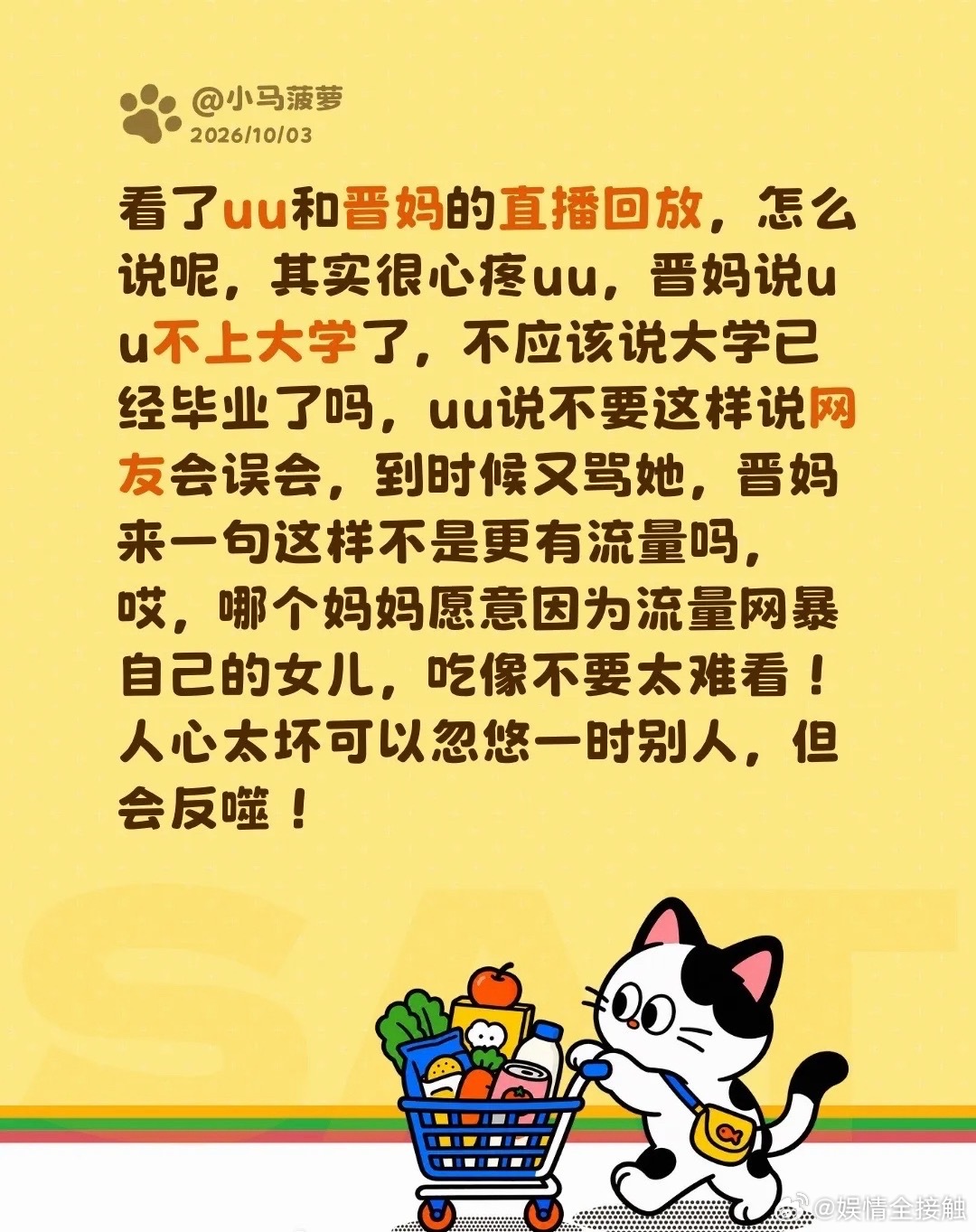
Whether affection or traffic is driving the disclosures is itself part of the argument. One screenshot circulating with the hashtags has Leyou begging Jin Ma not to repeat that she never finished college — netizens will pile on again — and Jin Ma answering that the confusion makes good traffic. "What mother would cyberbully her own daughter for traffic?" the repost asked. Against that: family friends posted photographs of a Mid-Autumn dinner together days ago, under a Baidu trend titled "recent photos of Li Leyou and the family", insisting there is no rupture. The show that manufactured the bond also built the audience now adjudicating its ending — and beneath the hashtags the argument is older than the show: whether a debt of gratitude is a debt at all, and who gets to stop paying it.