Li Yifeng’s Fall from Grace: $7 Million Court Order, Brand Boycotts, and a State‑Mandated Moral Crackdown on Chinese Celebrities
The name that most English‑speaking readers will encounter in reports is Li Yifeng, the Mandarin pronunciation of 李易峰. Once one of China’s most ubiquitous screen stars—regularly invited to perform at CCTV’s Spring Festival Gala and fronting high‑profile luxury brand campaigns—Li has become the focus of a sweeping legal and cultural backlash that underscores the Chinese government’s tightening grip on celebrity conduct.
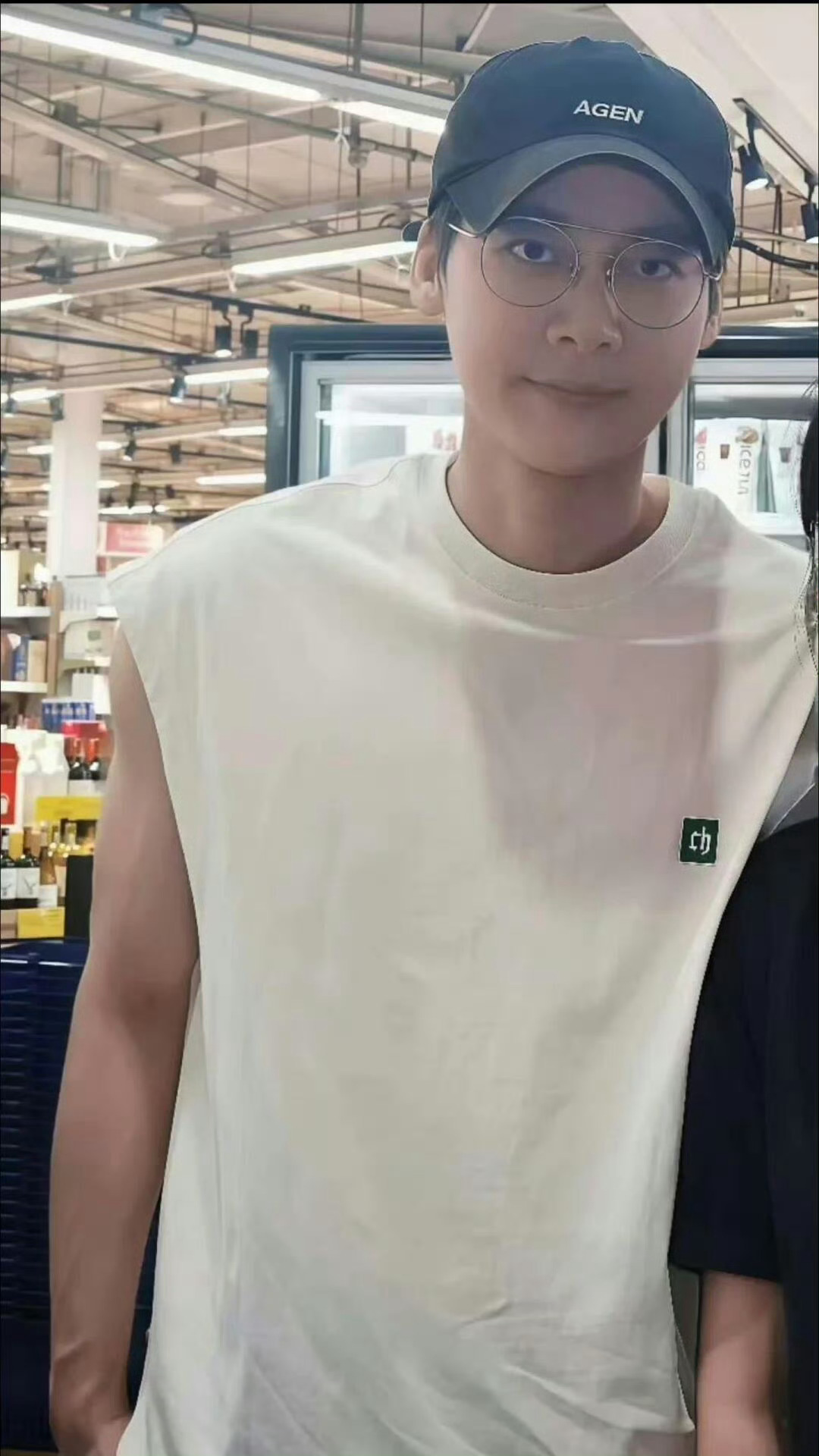
In the summer of 2022 Beijing police arrested Li after a series of investigations linked him to multiple instances of soliciting prostitutes. He was placed under administrative detention, a form of penalty that does not involve a criminal trial but nonetheless carries a heavy social stigma. The arrest set off an immediate cascade: a swath of domestic and international brands severed their endorsement deals with the actor, and his former management firm, Beijing Bozhongxinghe Film and Television Co., was placed under scrutiny.
Li’s business interests have also come under fire. In 2018 he founded Shanghai Fengyan Culture Media Center with a registered capital of one million yuan, an entity that now finds itself named in a court order alongside Li himself and the Bozhongxinghe company. On 21 August 2025 the Beijing Chaoyang District People’s Court issued a mandatory enforcement order demanding payment of roughly 49.9 million yuan (about US$7 million) to settle economic disputes tied to those entities. The order, filed by unnamed creditors, carries far‑reaching consequences: besides the looming financial hit, the court can restrict Li’s ability to travel on high‑speed transport, impose bans on “high‑consumption” activities, and even bar the exit of his assets from the country.
Legal experts have warned that the enforcement could effectively place Li under a “high‑consumption restriction” regime, a tool increasingly used in China to clamp down on individuals deemed to have breached public morality or financial obligations. Yu Long, a director at Beijing Weihang (Chengdu) Law Firm and head of its Intellectual Property Professional Committee, explained that such restrictions often extend to prohibitions on private jet use, luxury hotel stays and even certain kinds of banking services. In Li’s case, the court’s seal on his personal and corporate finances signals a broader intention to make examples of high‑profile figures who stray from the state’s moral expectations.
The fallout has reverberated throughout China’s entertainment industry. Officials have repeatedly emphasized a “zero tolerance for moral misconduct,” a policy that has already derailed the careers of other celebrities, such as pop star Cai Xukun, whose own scandals prompted swift contract cancellations and media blacklists. In the wake of Li’s detention, entertainment companies have begun tightening moral clauses in talent contracts, demanding that their stars maintain a spotless public image or face immediate termination. The message is clear: any deviation from the “socialist core values” the government espouses can trigger severe professional and legal penalties.
For brands, the Li saga is a cautionary tale about the commercial risks of celebrity endorsements. Luxury houses and domestic consumer companies that once counted on his clean‑cut image have been quick to distance themselves, fearing that association with a “tainted” star could damage sales and tarnish corporate reputation. As a result, talent agencies are likely to vet potential endorsements more rigorously, prioritizing long‑term brand safety over short‑term visibility.
Yet despite the legal onslaught and public censure, Li Yifeng has attempted a modest comeback. In April 2025 he staged a concert in Bangkok, Thailand, which sold out within days and saw tickets resold at up to five times their original price on secondary markets. The event sparked a mixture of fascination and outrage on Chinese social media. Some fans posted supportive messages, urging him to “correct his mistakes” and proclaiming that “as long as he learns from his errors, he can return as a top star.” Others expressed disbelief that a figure whose reputation had “collapsed” (the Chinese slang “塌房”) could still draw crowds abroad.
Weibo users encapsulated the divided sentiment in a handful of recurring themes. A segment of commenters voiced shock at Li’s overseas appearance, questioning whether he was “preparing for a comeback” and lamenting the erosion of his once‑sterling public image. Another group voiced deep skepticism toward any celebrity denials, remarking “Never trust a star’s denial again,” reflecting a broader erosion of trust after Li’s initial attempts to downplay the allegations. Yet perhaps most poignant were posts mourning the loss of potential: “Li Yifeng was on the Spring Festival Gala almost every year. Why did he waste such a bright future?” These remarks illustrate a collective sense of disappointment that a talented artist has squandered years of hard‑won acclaim.
The financial dimension of the case continues to dominate conversation. The 49.9 million‑yuan enforcement order not only threatens Li’s personal wealth but also carries the possibility of travel bans and restrictions on high‑end consumption. Industry insiders note that even if Li were to re‑enter the Chinese market after paying the debt, the lingering stigma and potential legal constraints could effectively bar him from regaining his former standing. The “clean‑up” campaigns underway in the entertainment sector aim precisely at preventing such comebacks, reinforcing the state’s narrative that moral failings are not to be forgiven lightly.
Beyond the realm of show business, Li’s saga feeds into a larger discourse about state control over public figures. The Chinese government’s recent “clean‑up” initiatives target not only prostitution and drug use but also tax evasion and other financial crimes among celebrities, seeking to mold a “healthy” cultural environment that aligns with official values. By publicly prosecuting high‑profile individuals, the authorities send a clear message to the broader populace about acceptable conduct, intertwining legal accountability with moral instruction.
The ripple effects of the case also touch China’s soft power abroad. While the scandal is fundamentally a domestic matter, repeated high‑profile controversies can shape international perceptions of Chinese popular culture as being tightly regulated and fraught with moral crackdowns. This could affect the global reach of Chinese films, music and streaming content, especially as foreign audiences become more attuned to the conditions under which Chinese stars operate.
In the final analysis, Li Yifeng’s journey from beloved idol to embattled figure illustrates the precarious balance Chinese celebrities must maintain between fame and state‑mandated morality. The combination of criminal‑like police action, sweeping brand withdrawals, and a massive monetary enforcement order underscores a regime increasingly unwilling to tolerate deviation from its prescribed social standards. For fans, the debate continues—some cling to loyalty, hoping for redemption, while many others accept the verdict that a star’s credibility, once shattered, is hard to rebuild. As the enforcement proceeds and Li’s legal team navigates the constraints imposed by the Beijing Chaoyang District People’s Court, the entertainment industry watches closely, aware that the outcome will set a precedent for countless other artists walking the tightrope between public adulation and governmental scrutiny.