Liu Xiang Asks Weibo Whether He Should Buy Out His State Coaching Post or Return to the Track
China's Olympic hurdles legend Liu Xiang posted a rare personal appeal on Weibo, asking netizens to help him choose between buying out his state sports post or becoming a full-time coach. The answers are as much about how China treats its retired champions as about the choice itself.
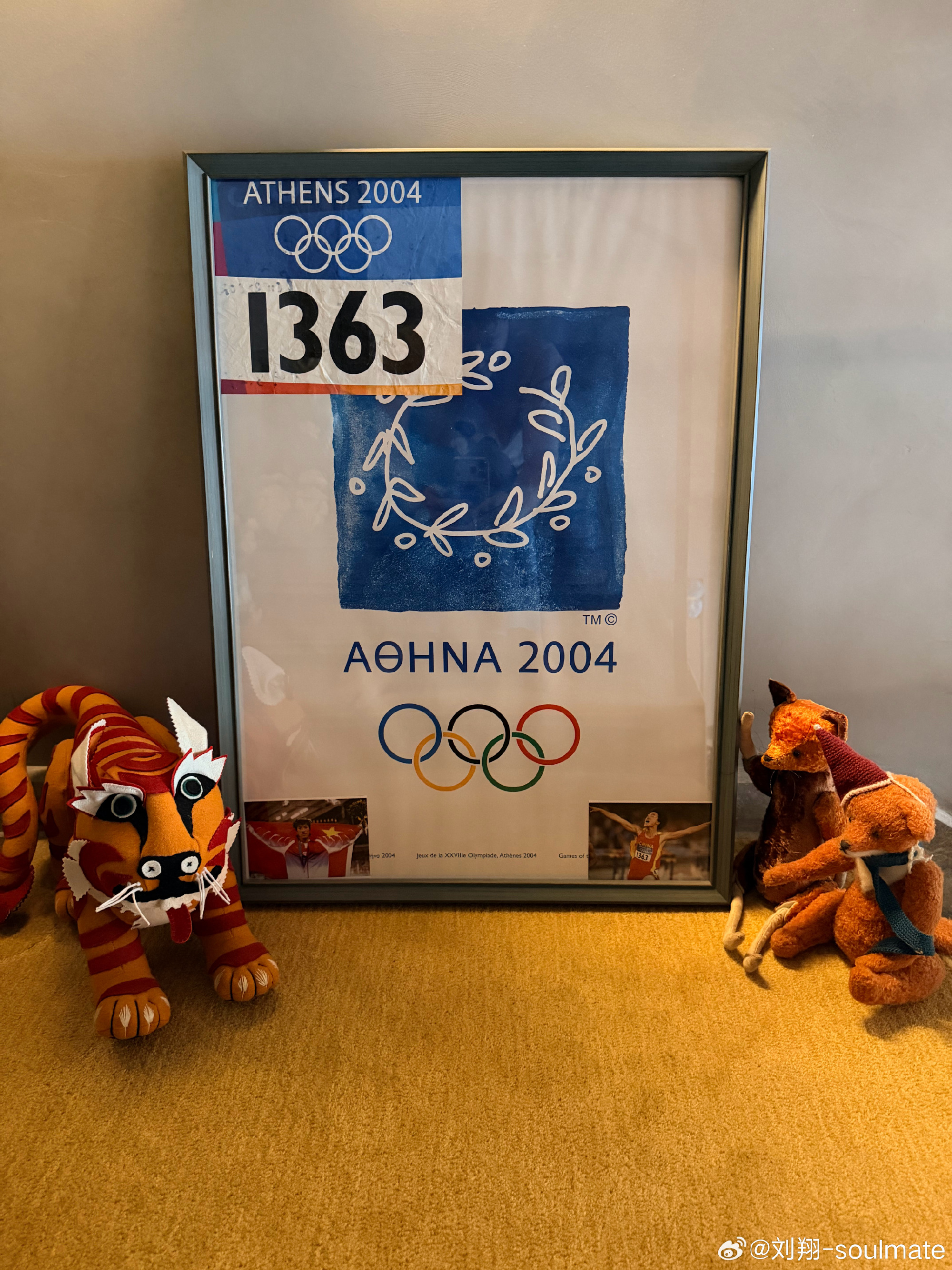
Liu Xiang, the 110-metre hurdler who gave China its first Olympic gold in a sprint event, has spent much of the past two decades being debated by the public. This week he did something he rarely does: he asked for the public's help.
In a short post on his verified Weibo account, the former world-record holder wrote, “Encountered a problem while offline: hoping my netizen friends can give me some advice. The sports bureau says I should either buy out [my post] or become a full-time coach. What should I do?”
The dilemma is a familiar one in China's state-run sports system, where elite athletes are attached to provincial and municipal bureaus that manage their careers, medals and, eventually, their pensions. Liu Xiang, who retired in 2015 after a series of Achilles injuries, still sits inside that system. The bureau has now presented him with two roads: leave for good by buying out his post, severing his official ties and any associated benefits; or stay and coach full-time, trading the freedom of retirement for a seat, a schedule and the pressure of producing results.
A champion caught between two doors
The responses were not the uniform cheerleading Liu Xiang once knew. A post liked more than 3,000 times framed the choice without sentimentality: staying means a licensed identity and the chance to pass on his technique, but also “a bureaucratic job with office hours, assessments and results responsibility.” If he succeeds, it will be taken as expected; if he fails, the old standard will become a cage. Leaving means freedom to commentate, do charity work or nothing at all—but it means walking away from the institutional system that trained him.
That last point touches on the unspoken demand hovering over the thread. Many Chinese commenters believe an athlete who was publicly funded for years owes the state a return. Liu Xiang is a special test of that logic. He won Olympic gold, held the world record, and twice pulled out of Olympic heats with injury—and was savaged online for it. The memory of those two abandoned Games still colours how people answer him now.
What the question is really about
The replies that went viral were not the ones offering a spreadsheet of pros and cons, but the ones insisting the athlete has already paid his debt. “The state trained Liu Xiang, and Liu Xiang repaid it with gold medals, a world record and countless hard-fought races,” one widely shared comment argued. “He tore his Achilles for this. Being a coach is not an obligation; it is a personal career choice.”
The episode lands at a moment when the economics of China's sports system are under more scrutiny than usual—from football murals to badminton world titles in the same week—and when the post-career fate of champions is a live question. For now the man who once ran 110 metres in 12.88 seconds is stuck at a slower hurdle, asking strangers whether the lane he trained on his whole life is still his to leave.