Ma Jiaqi’s ‘Full‑Mark’ Musical Theatre Turn‑up Ignites Fan Frenzy and reshapes China’s Stage Market
The phrase “马嘉祈和音乐剧适配度为满分,” literally “Ma Jiaqi’s compatibility with musical theatre is full marks,” has been lighting up Weibo feeds across China this week. The surge of attention began when the 23‑year‑old singer and actor performed a solo rendition of “Another Day of Sun,” the opening number from the Hollywood hit musical La La Land, during a recent stage event. The performance, posted in full on the platform, drew an outpouring of praise that quickly coalesced around the two hashtags #马嘉祈和音乐剧适配度为满分 and #马嘉祈唱爱乐之城主题曲, both of which have amassed millions of views and tens of thousands of comments.
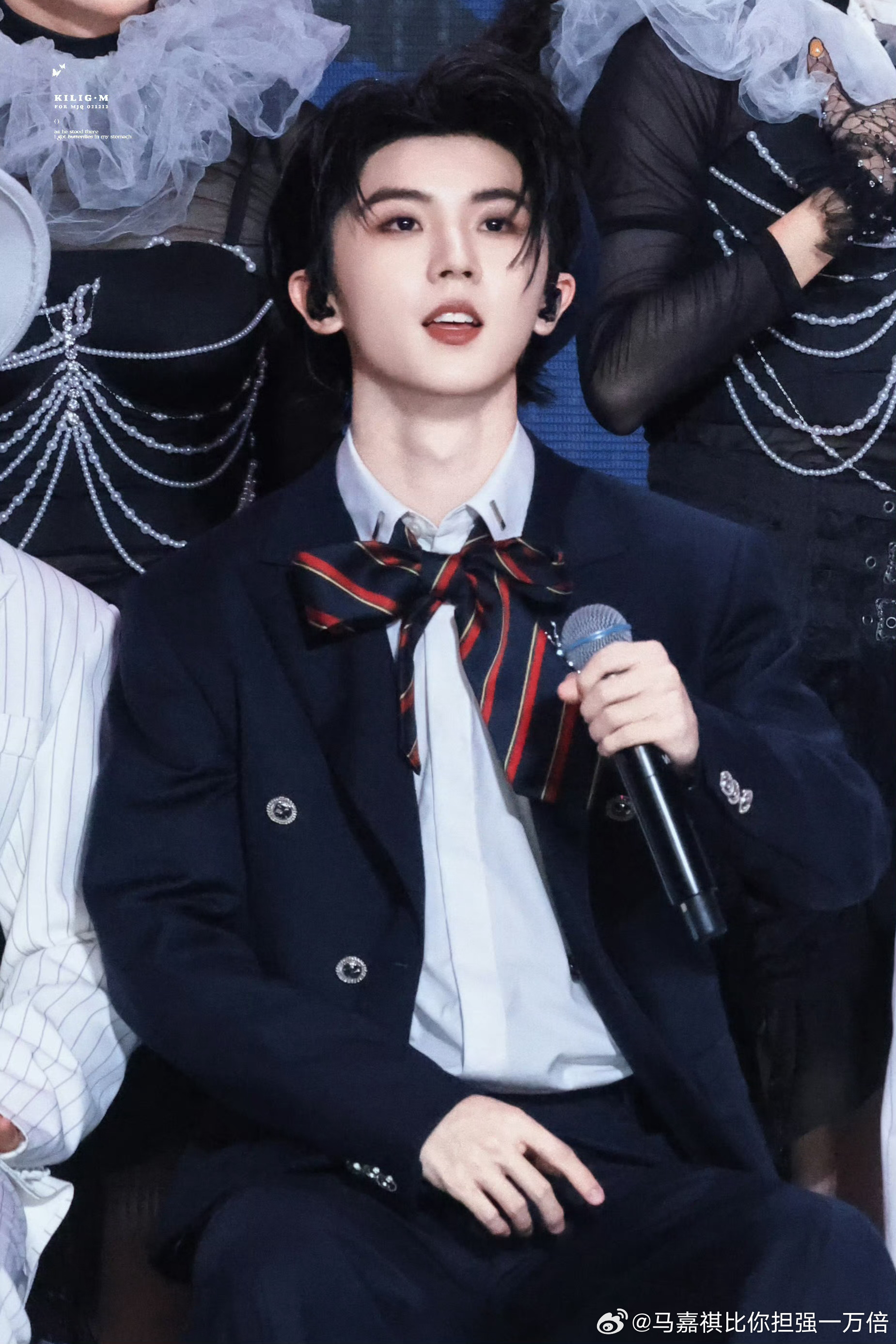
Fans lauded Ma’s crystalline vocal tone, his effortless command of rhythm, and, perhaps more importantly, the theatrical flair he displayed while delivering the song’s high‑energy choreography. “He sings like a Broadway star,” one user wrote, adding that his “stage presence makes the whole hall feel like a cinema screen turned into a theater.” The reaction is not an isolated moment of admiration; earlier posts have already highlighted the young idol’s “high adaptability” to a range of musical numbers, suggesting a growing consensus that Ma possesses a natural affinity for the demanding blend of singing, acting, and dance that defines musical theatre.
The buzz around Ma’s performance is more than a fleeting fan moment. Industry watchers note that his emergence as a credible musical‑theatre talent could shift the economics of China’s burgeoning stage market. Ticket‑selling platforms have already reported speculative price spikes for events featuring the star, with some listings flirting with the 5,000‑yuan (roughly $700) mark—prices that would have been unthinkable for a standard production a few years ago. The phenomenon mirrors a broader trend in which “traffic stars”—celebrities who command massive online followings—are increasingly leveraged to guarantee box‑office returns, even when their formal training in the art form is limited.
Producers, eager to capitalize on Ma’s fan base, may begin to prioritize casting well‑known idols over seasoned musical actors. Recent commentary on the talent‑show “Singer 2025” illustrates the stakes: despite mixed reviews of some of his performances, Ma topped the public vote, effectively “beating” veteran singers who traditionally dominate such competitions. This “traffic beats professionalism” narrative has ignited a debate within the theatrical community about whether star power is eclipsing artistic merit. Critics warn that the resulting market distortion could inflate ticket costs, rendering live musical theatre less accessible to ordinary audiences and marginalizing performers whose careers are built on years of rigorous vocal and dance training.
The ripple effects extend beyond the business of ticket sales. By drawing a younger, internet‑savvy demographic into theatres, idols like Ma could broaden the art form’s appeal and inject fresh enthusiasm into productions that have struggled to capture the attention of China’s post‑millennial generations. Yet the same fan‑driven surge also reshapes audience expectations. Social media chatter increasingly frames theatre outings as extensions of idol fandom, emphasizing meet‑and‑greet opportunities and celebrity photo‑ops alongside—if not above—the narrative and musical content of the shows themselves.
The debate over “traffic versus professionalism” also reflects a larger cultural conversation about how success is measured in modern China. Some netizens celebrate the democratizing effect of fan power, arguing that popularity can legitimize new artistic pathways. Others lament what they see as a dilution of “real cultural level,” fearing that the emphasis on celebrity image may eclipse the development of genuine artistic skill. The phenomenon even touches on youth aspirations: with Ma’s rapid ascent, many aspiring performers may be tempted to pursue shortcuts to fame rather than the traditional, grueling route of conservatory training.
Ethical concerns surface in the frenzy surrounding ticket purchases. Reports of fans mistakenly buying “wrong tickets” and demanding refunds highlight the high‑stakes, often impulsive nature of idol‑centric consumer behavior. Observers warn that such dynamics can encourage speculative trading and price manipulation, eroding trust in the market and potentially exploiting fans’ emotional investment.
While the immediate implications are commercial and cultural, the trend also brushes against subtler political undercurrents. The Chinese government has long promoted “positive energy” and mainstream values in entertainment, and the rise of highly visible, carefully curated idol images aligns with those objectives. At the same time, regulators have begun scrutinizing the entertainment sector’s transparency, especially after controversies involving exaggerated academic credentials and perceived unfairness in talent‑show outcomes. The ongoing dialogue about the “academic overachiever” persona—a trope that some celebrities have been accused of fabricating—could prompt tighter oversight of how idols present their personal narratives.
In sum, the viral celebration of Ma Jiaqi’s flawless fit for musical theatre encapsulates a pivotal moment in China’s cultural landscape. The surge demonstrates how a single, well‑executed performance can trigger a cascade of market shifts, societal debates, and policy considerations. Whether the spotlight on Ma will lead to a sustainable fusion of pop idol charm and theatrical craftsmanship, or simply underscore a market driven by fan economics, remains to be seen. What is clear, however, is that the phrase “马嘉祈和音乐剧适配度为满分” now carries weight far beyond a catchy hashtag—it signals a redefinition of how musical theatre, commerce, and popular culture intersect in the digital age.