Mayday’s Mega Shanghai Concerts Spark Economic Boom, Tech Showcase—and a Lip‑Sync Controversy
When the Taiwanese rock collective Mayday announced a return to Shanghai this winter, the city’s music‑loving public answered with a fervour that turned the stadium into a modern day amphitheatre of devotion. Over the course of a week in mid‑November 2023, the band played eight sold‑out shows at the sprawling Shanghai Stadium, and a year later they were back for a ten‑night marathon from November 12 to November 24, 2024. The concerts have become more than a string of performances; they are a vivid illustration of how live music, economics, technology and even civic regulation intersect in contemporary China.
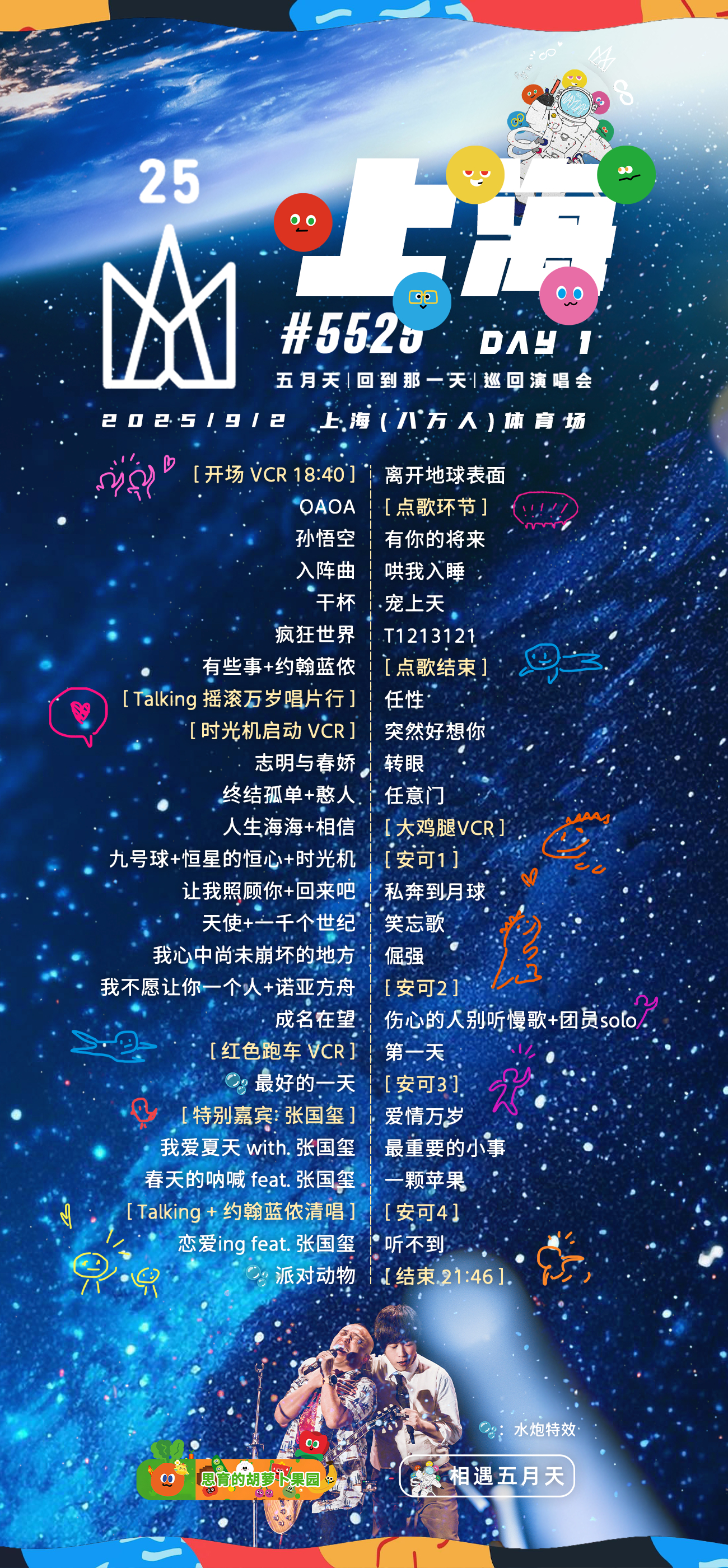
From the start, demand for tickets was staggering. When the 2023 dates went on sale on November 5, fans snapped up seats within minutes, a testament to Mayday’s status as one of the Mandarin‑speaking world’s most beloved acts. The 2024 run, promoted by the concert‑operator 华人时代 (Chinese Era/Times), repeated the pattern, filling the 56,000‑seat arena night after night. For many attendees, the experience was as much about community as it was about the music. Social platforms such as Weibo and Xiaohongshu buzzed with photos of fans holding up illuminated phone screens, sharing snippets of the band’s spoken interludes, and posting “check‑ins” with Mayday figurines. The band’s habit of pausing between songs to chat with the audience — a practice that has earned them a reputation for genuine interaction — sparked a flurry of online commentary praising the emotional intimacy of the shows.
The economic ripple effect was equally palpable. According to local officials, the concerts injected tens of millions of yuan into Shanghai’s hospitality sector, from ticket revenues and merchandise sales to hotel bookings and late‑night dining. The event’s scale also underscored the city’s growing clout as a hub for the country’s burgeoning concert economy, a sector that has been accelerated in recent years by the success of other regional superstars such as Jay Chou. In addition, the concerts served a charitable purpose: Mayday encouraged fans to donate to a foundation supporting disadvantaged students, adding a philanthropic note to the spectacle.
Technologically, the productions were a showcase of the latest in live‑performance innovation. High‑definition LED screens, synchronized lighting rigs, and immersive sound systems transformed the stadium into a visual and auditory canvas, raising audience expectations for future large‑scale shows across China. Yet that very polish also became the catalyst for a controversy that would dominate headlines for months.
In December 2023, a Bilibili creator known as “Maitian Nongfu” (Farmer Maidan) posted a video alleging that Mayday had lip‑synced twelve songs during the November 16 concert. Using software to isolate crowd recordings submitted by fans, the uploader claimed to detect discrepancies between the band’s vocals and the live instrumental track, suggesting “half‑open” lip‑syncing — a blend of live singing and pre‑recorded audio. The accusation struck a chord in a market where ticket prices often exceed ¥1,000 and fans expect authentic performances. Within days, the story was amplified by CCTV News and ignited a nationwide debate on the ethics of live music, the responsibility of artists, and consumer rights.
The Shanghai Municipal Culture and Tourism Bureau’s law‑enforcement team stepped in, opening an official investigation. Original audio and video feeds from the stadium were submitted for scientific analysis, and the case was monitored closely by both media and the public. In May 2024, the bureau released its findings: no illegal activity had been identified, and there was no evidence that Mayday used pre‑recorded tracks in place of live singing or playing during the 2023 shows. While the report cleared the band of wrongdoing, it did little to quell the broader conversation about performance authenticity — a dialogue that continues to shape how Chinese audiences evaluate live entertainment.
Even as the lip‑sync debate simmered, the concerts produced their own set of unanticipated physical impacts on the city. Residents in the downtown core reported feeling the stadium’s bass reverberate through their apartments, with more than ten buildings registering noticeable shaking during several performances. Local authorities temporarily restricted access to certain streets and heightened security measures, highlighting the logistical challenges of hosting megasized events in densely populated urban environments. The episode sparked discussions among urban planners about how to balance cultural vibrancy with resident wellbeing, an issue that extends beyond music to any large‑scale public gathering.
Fans of all ages — from “壮年歌迷” (middle‑aged enthusiasts) to university students — turned the concerts into a communal rite. In the final show of 2024, Mayday drummer Guan You’s teenage daughter Liu Xinyu, affectionately dubbed “小玫瑰” (Little Rose), appeared as a guest performer, a moment that was captured, replayed, and celebrated across social media. Such personal touches added layers of intimacy to an event that, on paper, could have felt purely commercial.
Beyond the stadium walls, the concerts have become a case study in how pop culture can influence broader societal currents. The massive turnout illustrates the potency of youth engagement: large swaths of China’s younger generation are not only consumers of music but also active participants in a shared cultural narrative. Their enthusiasm feeds into a soft‑power narrative that the government is keen to promote — a vibrant, modern entertainment industry that projects an image of cultural confidence both domestically and abroad.
At the same time, the episode underscores the tightening regulatory environment that governs China’s cultural sector. The swift involvement of the Shanghai Cultural and Tourism Bureau signals that authorities are prepared to intervene when consumer trust is perceived to be at risk. While Mayday escaped any formal penalties, the episode may prompt future concert promoters to adopt more transparent practices, possibly even instituting real‑time monitoring of performances to preempt allegations of deception.
In the end, Mayday’s Shanghai concerts have left a resonant legacy that extends far beyond the final encore. They have demonstrated the power of live music to galvanise economies, push technological boundaries, and foster deep social bonds among fans. They have also highlighted the fragility of that trust when the spectre of lip‑syncing arises, reminding both artists and promoters that authenticity remains a prized commodity in an era of high‑definition spectacle. As the band prepares its next tour, the Shanghai saga will likely serve as both a blueprint and a cautionary tale for the industry — a reminder that in the world of massive stadium shows, the reverberations are felt not only in the sound system but throughout the very fabric of the city itself.