Miraculous Cave Rescue: Chinese Expedition Team Members Found Alive After 69 Hours
Recently, a dramatic incident unfolded in Guangxi, China, where two members of a scientific expedition team became lost in a cave for 69 hours, only to be miraculously rescued. The incident began on February 5, when a team of five scientists embarked on an underwater expedition to explore the cave system in the Tianyang district of Baise City. As they made their way back through the cave at 7 pm, two team members were discovered missing, prompting an immediate distress call to the authorities.
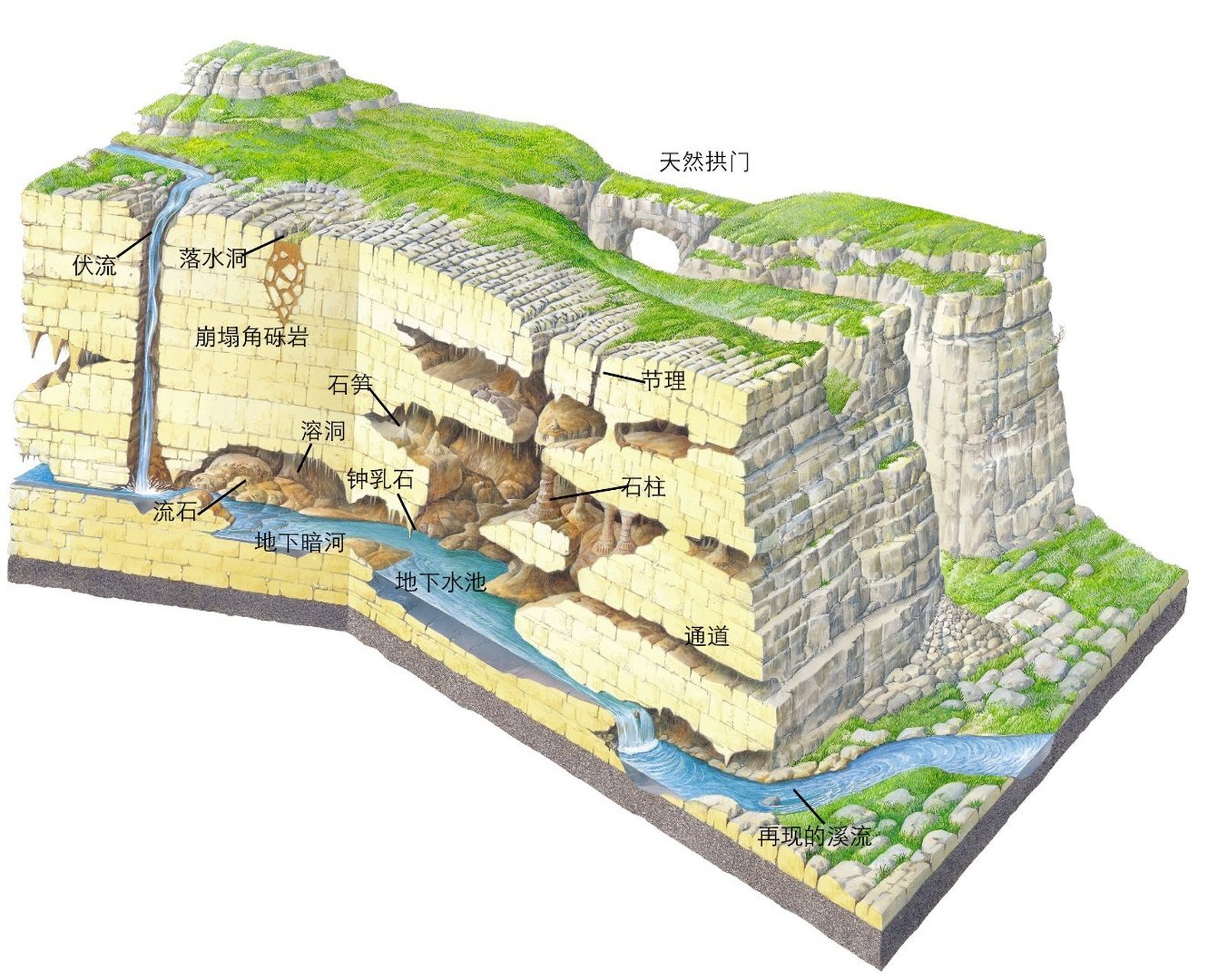
A multi-agency rescue effort ensued, involving the police, emergency services, firefighters, and medical personnel. The rescue operation was a complex and challenging process due to the cave's intricate layout, deep water, and limited visibility. To overcome these obstacles, the rescue team employed a novel approach, utilizing a 200-meter rope system to navigate the underwater passages and locate the missing team members.
After an arduous search spanning over four hours, the rescue team finally located the first missing team member, Mr. Zhou, in an underwater air pocket at a depth of 16 meters. He was rescued and brought to safety, but the second missing team member, Xiao Zhou, remained unaccounted for. Undeterred, the rescue team continued their search, conducting multiple dives and scouring the cave system.
The rescue team's perseverance ultimately led to the discovery of Xiao Zhou, who was found in an underwater air pocket at a depth of 28 meters after an astonishing 69 hours. Weakened by his prolonged ordeal without food, Xiao Zhou was swiftly extracted from the cave and transported to a local hospital for observation, where his condition was deemed stable.
This remarkable rescue operation has set a precedent as the first successful cave diving rescue in China, highlighting the bravery, professionalism, and dedication of the rescue team. The incident serves as a poignant reminder of the importance of prioritizing safety in scientific expeditions, particularly in high-risk environments such as caves. As the rescued team members begin their recovery, concerns about the safety of scientific expedition teams have come to the forefront, underscoring the need for comprehensive safety protocols, specialized training, and cutting-edge technology to mitigate risks associated with cave explorations.
The team's miraculous rescue has significant implications for the development of cave rescue operations in China, emphasizing the importance of effective teamwork, advanced equipment, and expertise in navigating complex underground environments. As the country continues to explore its vast and diverse geographical landscape, ensuring the safety of scientific expedition teams is paramount. This necessitates a reevaluation of current safety protocols, the development of more stringent guidelines, and investments in technology to aid in navigation, communication, and survival within caves. Ultimately, balancing the pursuit of scientific knowledge with the safety of those pursuing it is crucial, and this incident serves as a stark reminder of the need for a comprehensive approach to safety in cave explorations.