Nine Years Later, China Is Still Arguing About the Daughter the TV Adaptation Deleted
A 2017 drama's deleted character has reignited a Weibo and Zhihu debate over how Yi Shu's novel about a woman rebuilding her life became a TV love triangle — and what that says about adaptations.
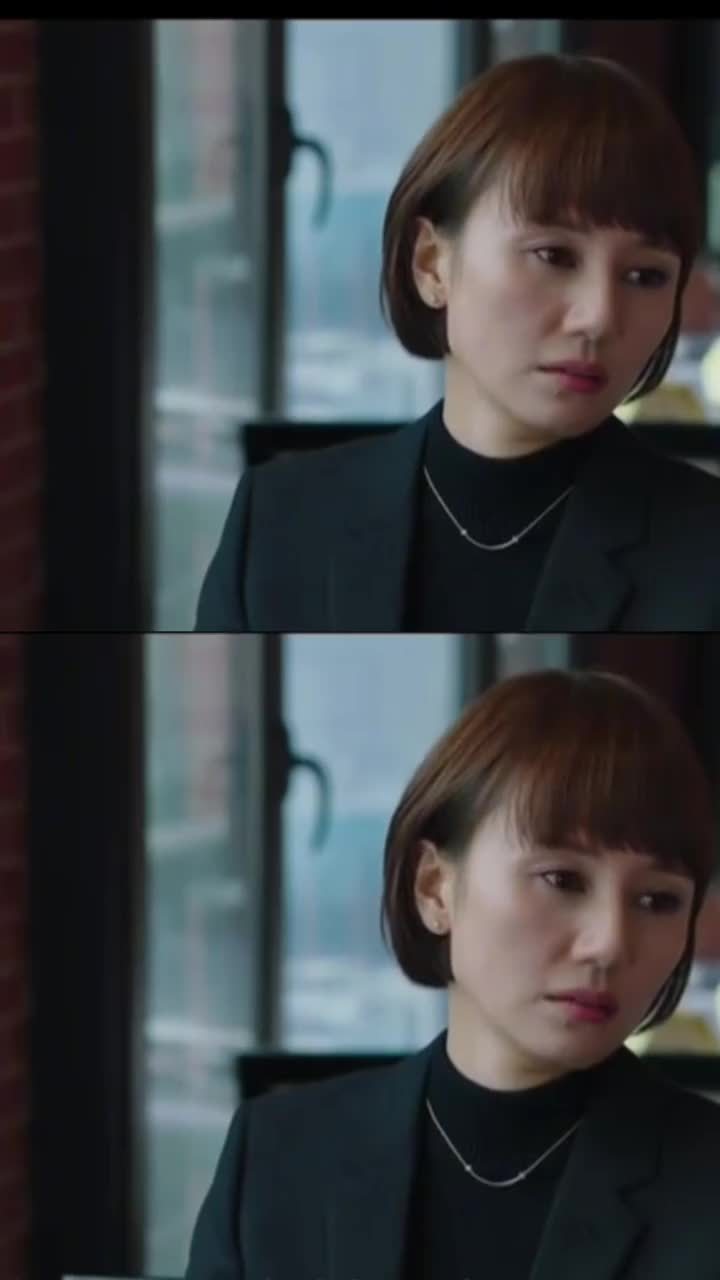
Nine years after it first aired, the 2017 drama "The First Half of My Life" is having a second life online for precisely the reason it annoyed people the first time: the version China watched was not the novel it claimed to adapt.
The current Weibo outrage is triggered by one plot detail — the daughter Luo Zijun has in Yi Shu's original 1982 novel simply does not exist in the TV series. In the book, the girl is central to Luo Zijun's transformation; she does not just leave a cheating husband, she rebuilds a self around her child, her pottery and a later marriage to an architect named Zhai Youdao. The television version deleted the daughter and replaced her with a plot machine: a love triangle in which Luo Zijun nearly betrays her best friend Tang Jing by falling for her boyfriend He Han. Fans of the novel note the correction goes to the heart of the story's politics.
"The biggest difference between the original and the drama," one viral weibo post summarized: "the book is about a woman relying on herself; the show is about a woman relying on her best friend." In the novel, Tang Jing emigrates to Australia and marries a lawyer; the two women do not compete. In the show, the friendship nearly collapses, and only a last-minute change pushed by lead actress Ma Yili kept Luo Zijun from consummating the betrayal. That intervention itself reads differently in 2026 than it did in 2017: an actress fighting for an ending that doesn't punish the female lead.
Why now? Zhihu users have spent the week debating exactly that question, with the topic climbing simultaneously on Weibo and Zhihu. Part of it is the anniversary of the show's cast and the algorithm's appetite for "which remake do you actually miss?" content. Part of it is a tiredness with adaptations that sand off a writer's ideas to make the heroines smoother. Yi Shu's Hong Kong feminism was never about purity — her heroines smoke, spend money, remarry pragmatically and refuse to be pitied. The show smoothed all that into a softer, richer-woman's glow-up, and in the process removed the one relationship that anchors the book: a mother and her daughter.
A drama still circulating with the posts shows Luo Zijun in her tailored neutrals, the look of a woman whose post-divorce life is already being tastefully staged. It is a fine image of the 2017 version's problem — everything in the frame is a little too polite for the mess of Yi Shu's imagination.