Na Ying’s Network Power and Controversy Spotlight Her as China’s Mandopop Queen
Na Ying has long been a fixture of China’s pop‑culture landscape, but the past twelve months have thrust her into an even brighter—if more contested—spotlight. The 57‑year‑old singer, often hailed as the “queen of Mandopop,” is now as famous for the size of her social network as she is for the power of her voice.
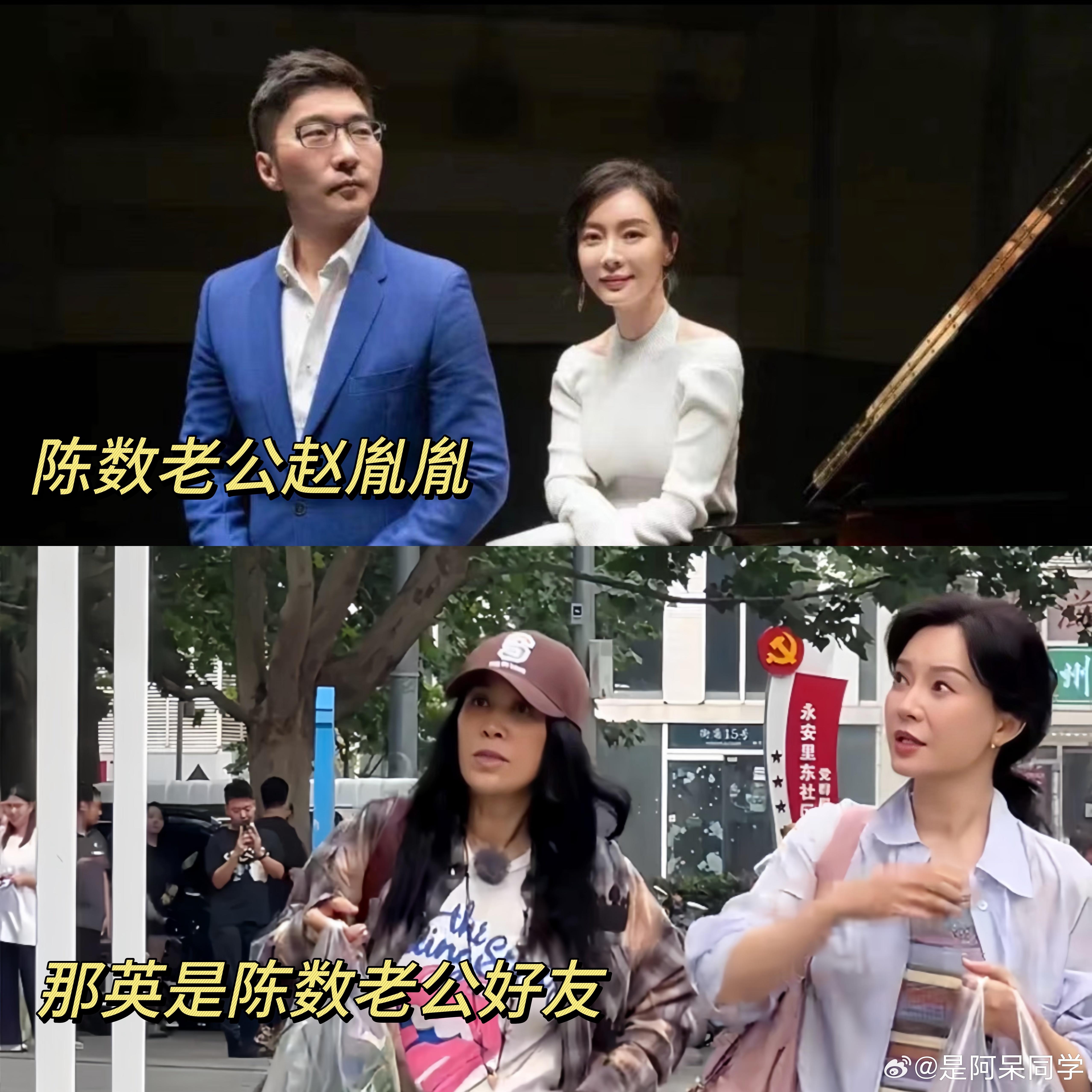
The most vivid illustration of her influence came during the filming of the travel‑reality series “Flower and Youth” (花儿与少年). When producers needed a last‑minute replacement for a senior mentor, Na Ying tapped into what Chinese netizens have christened the “inner‑entertainment address book” (内娱通讯录) and gathered a troupe of celebrities in a matter of days. From pop icons like Wang Fei (王菲) and rising actress Li Qin (李沁) to actor Gong Jun (龚俊) and newcomer Zhang Yaqi, the roster appeared to materialise at the snap of her fingers. On Weibo, fans marveled that her connections “don’t even need the six‑degrees‑of‑separation rule,” and one comment declared, “Who can shake people better than Sister Na?” The phrase has become shorthand for a career built not only on talent but on a reputation as a “big sister” who can pull strings without fanfare.
That reputation helped Na Ying secure a prominent place on two of China’s most watched variety platforms. In “Sisters Who Make Waves” (浪姐), she was spotted playing mahjong with a rotating cast of fellow veteran singers, her easy banter and sharp humor earning her the label of a “comedic talent” (喜剧人) among the younger audience. Meanwhile, her role on the travel show underscored a dual appeal: she is both an industry insider with an uncanny ability to mobilise talent and a down‑to‑earth mentor who can coax laughs from a crew of millennial participants.
Her on‑screen success, however, has been shadowed by controversy. Earlier this year Na Ying entered the fiercely competitive singing contest “Singer 2024” and emerged victorious, taking the crown as “King of Singers.” The win ignited a wave of scepticism on social media, with some netizens claiming the outcome was pre‑determined. Na Ying herself admitted to feeling nervous, saying she even dreamed of “singing car accidents” in the run‑up to her final performance. The backlash highlighted the fragile balance between public admiration and the expectations placed on established stars in a market increasingly hungry for fresh faces.
A separate, lingering dispute stems from her tenure as a judge on “The Voice of China.” Critics have accused the show of fostering a bullying atmosphere, and Na Ying’s interactions with contestants—most notably a well‑publicised clash with folk‑rock singer Dao Lang—were scrutinised. Rumours of an eight‑month “ban” circulated, though recent appearances suggest any punitive measures were temporary at best.
Beyond the television studios, Na Ying’s personal connections read like a who's‑who of contemporary Chinese entertainment. She maintains a close friendship with Wang Fei, counts actress Ma Sichun (马思纯) among her extended family, and has frequently worked alongside Li Qin on various programs. Even her past relationship with former footballer Gao Feng (高峰) resurfaces in casual Weibo chatter, underscoring the breadth of her network across sports, film and music.
Fans have also latched onto her musical catalog, recalling classics such as “Silence” (默), “An Empty Dream” (梦一场), and “Conquer” (征服). While the “Singer 2024” win sparked heated debate, many netizens continue to celebrate the “heavenly” quality of her voice, with comments like “her singing is truly worth paying for.” Memes that depict Na Ying as the lone hope of the Chinese music industry—often phrased as the “hope of the whole village” (全村希望)—mix humor with a subtle critique of the dominance of foreign artists on local charts.
Her straightforward, sometimes blunt, public persona is another recurring theme. In 2012, a backstage exchange over betel‑nut chewing and a sharp retort—“be careful of me”—became a viral snippet that cemented her image as an outspoken figure who does not shy away from confrontation. This candidness, paired with her comedic timing on variety shows, has earned her a reputation as both “straight‑forward and funny,” traits that resonate strongly with audiences seeking authenticity in a highly polished entertainment sphere.
Despite the flood of commentary on her career and character, there is little evidence that Na Ying’s influence extends into the political arena. The public discourse surrounding her remains largely confined to the entertainment sector: her popularity, the dynamics of personal networks, and the occasional controversy over showmanship and judging practices. Analyses of how her standing might shape broader societal trends or interact with government policy are still missing, underscoring a gap in the current narrative.
In sum, Na Ying embodies a rare blend of veteran artistry and modern connectivity. She can summon an ensemble of high‑profile collaborators with a single phone call, command audiences on prime‑time stages, and spark fierce debate over the fairness of competition formats—all while maintaining a persona that is simultaneously commanding, witty, and unapologetically genuine. Whether she will continue to steer the course of China’s pop industry or simply remain an influential “address book” for the next generation of stars remains to be seen, but her impact on the cultural conversation is unmistakable.