Nanjing Museum's Ex-Director Gets Three Years Over Donated Artifacts Scandal
Xu Huping, who led the Nanjing Museum until 2017, was sentenced to three years for bribery after investigators found irregular transfers and sales of donated paintings and calligraphy. The verdict, announced with punishments for more than a dozen others, left Chinese readers asking whether three years for an 81-year-old counts as accountability.
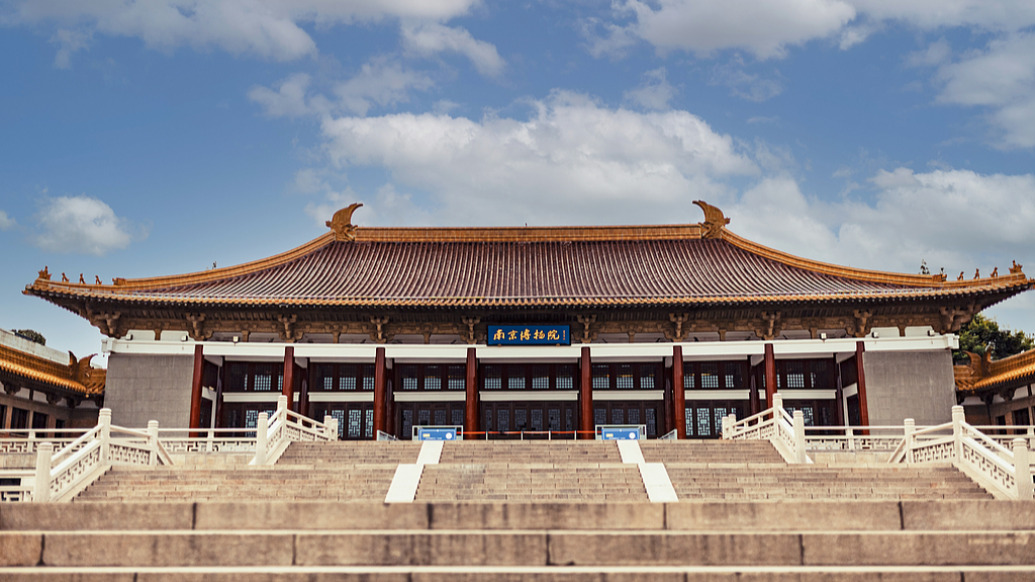
The announcement came in a two-paragraph dispatch from Xinhua on Tuesday, but it closed one of the more disquieting heritage scandals of recent years. Xu Huping, who ran the Nanjing Museum — one of China's largest and oldest museums — as director until 2017, has been sentenced to three years in prison and fined 200,000 yuan for taking bribes, with the punishment of more than a dozen other officials and staff announced alongside him. A post liked and commented on by thousands within hours carried the news; the replies were less interested in the fall than in the softness of the landing.
The case grew out of problems in the museum's management of donated artifacts — works given to the state collection by collectors and families — where investigators found irregular transfers and sales of paintings and calligraphy. Xu, 81, was convicted of taking money and property for helping others win construction contracts and business deals, and separately disciplined with expulsion from the Communist Party and cancellation of his retirement benefits. Around him, the reckoning was broad: officials at the former provincial culture department, the provincial cultural relics bureau, the museum and a state relics store were dismissed, demoted or reprimanded for supervision failures. Jiangsu province has ordered a special campaign on the security of museum collections statewide.
For many readers, though, the arithmetic of the sentence is the story. "He's 81. Three years means he's out at 84," one popular post noted, going on to ask whether a lifetime spent atop the institution really ended with accountability — or with "one retired old man" standing in for thirty years of secrets. Another put it more bluntly: a punishment this light, for a scandal this deep, "is hard not to read as encouragement." Netizens have questioned whether works in the collection were swapped for fakes under his watch; the official announcements confirm mismanagement and illicit sales of works on paper, but no verdict on forgery has been made public.
The sentencing is also the latest in a run of corruption verdicts that has moved from finance and policing into the cultural bureaucracy — the former head of China's drug regulator got 14 years on Monday — and the debate under the Nanjing announcements echoes the one those cases provoked: whether the pace of punishment can convince a public that institutions which failed for decades have genuinely been fixed. On Zhihu, the day's most-read question about the case is not about guilt but about what else remains unexamined. The museum itself, its facade photographed thousands of times a day by visitors, has issued no public statement of its own; the province's culture and heritage departments have formally "made deep inspections" to the provincial government and promised the collection is now safe.