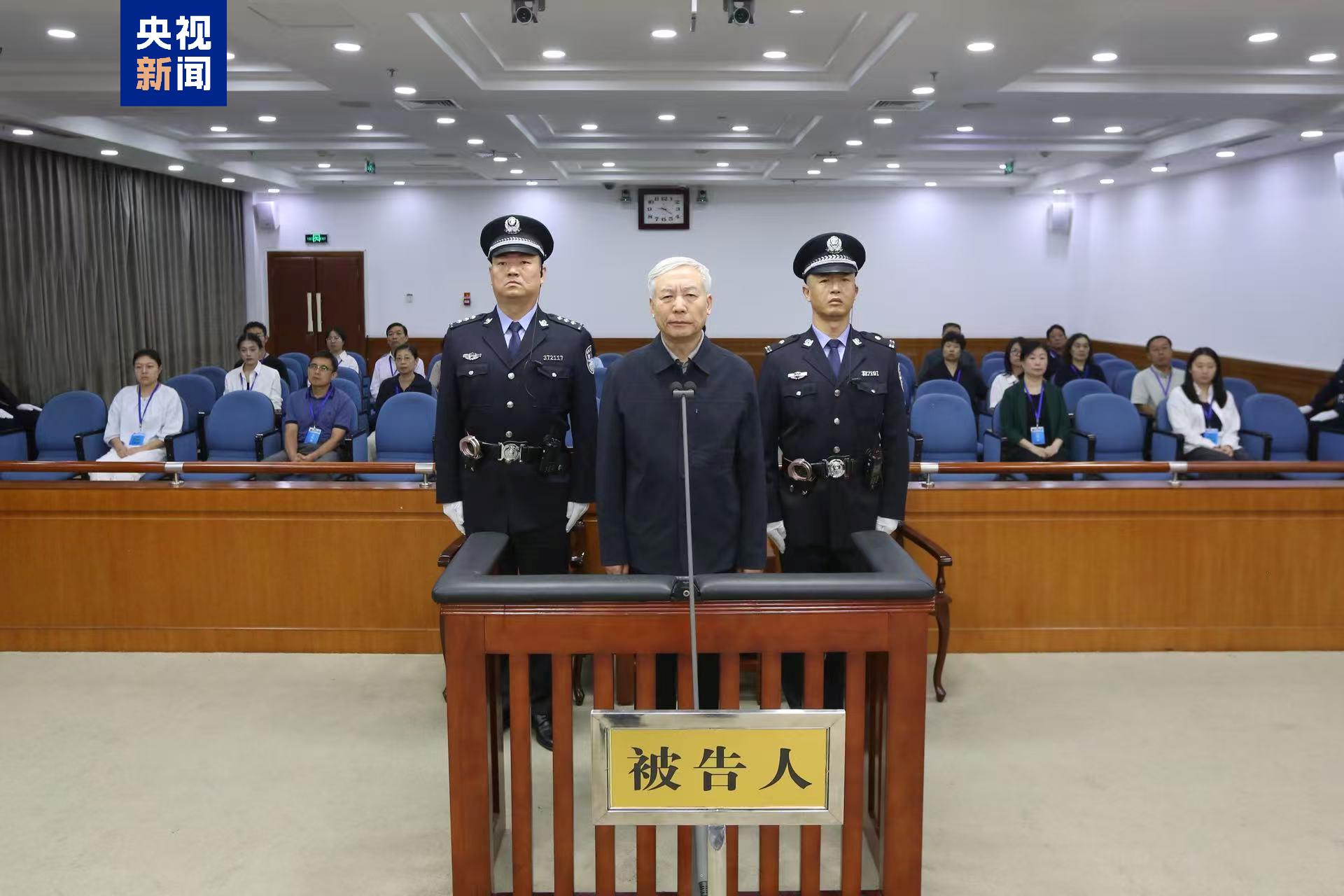
China's Former Top Drug Regulator Gets 14 Years for Taking ¥57 Million in Bribes
Bi Jingquan, who ran China's food and drug regulator and resigned over the 2018 Changchun vaccine scandal, was sentenced on Monday to 14 years in prison for taking 57.42 million yuan in bribes across three decades in office.
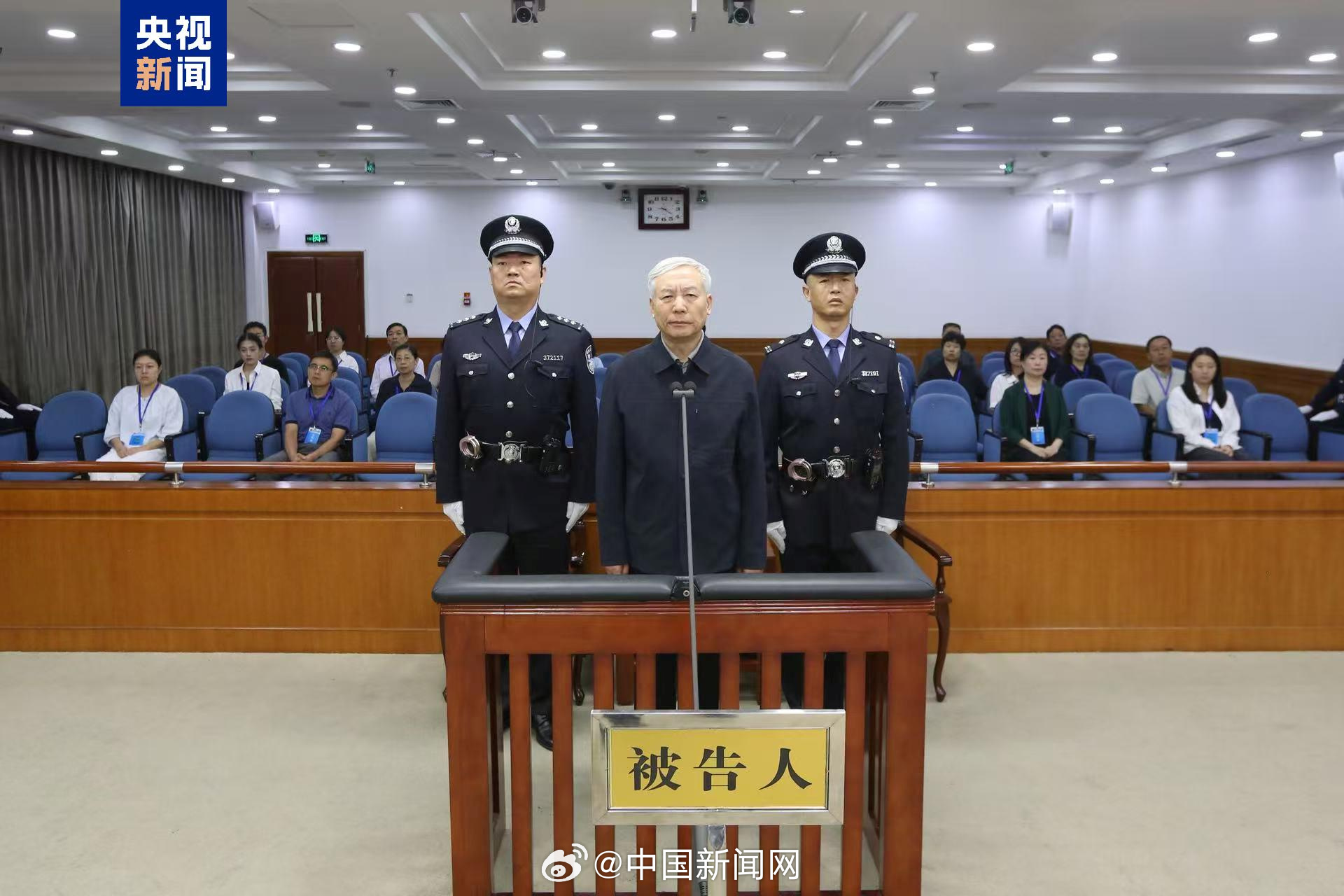
A court in Jinan sentenced Bi Jingquan to fourteen years in prison on Monday for taking 57.42 million yuan — roughly $8 million — in bribes, closing a case that has run through every one of China's news platforms all day and reaches back to one of the biggest public-health scandals of the last decade.
Bi was once among the most consequential economic officials in Beijing: deputy secretary-general of the State Council, then head of the China Food and Drug Administration, then a senior figure in the market regulator that succeeded it. The Jinan Intermediate People's Court found that from 1995 to 2025 — an unbroken stretch of thirty years — he used the powers of each of those posts to help companies and individuals with business operations, administrative approvals and project settlements, collecting 57.42 million yuan along the way. The sentence carries a five-million-yuan fine and the confiscation of all illicit gains.
What makes the case resonate in China is where Bi's career intersected with the country's food and drug anxieties. In 2018 he was the man at the top of the drug regulator when the Changchun Changsheng scandal broke — a major domestic vaccine maker caught fabricating production records for rabies vaccines — and he resigned to take political responsibility for it. The Baidu item that carried Monday's verdict up the search charts led with exactly that resume line: the former drug czar, sentenced, seven years after the vaccine case forced him out. That he was later found to have been taking bribes throughout the period he supervised the country's drug supply is the detail readers keep returning to.
The verdict landed first on China's news aggregators rather than its social feed: it ranked first on both Caixin's and CCTV's trending boards, third on The Paper, and sat high on Baidu's hot search through the day, with Taiwan's CNA converting the take for its own readers. Weibo's own hot-search list barely registered it — the topic circulated mainly through news outlets' official accounts, one of which announced the sentence with the full court findings, while the hot-search front page stayed crowded with celebrity content. The split is a recurring pattern in how Chinese news actually travels: the stories that define the day's politics often live on the news platforms, not the social one.
Bi was placed under investigation in May 2025 and stood trial in Jinan on June 24. Monday's verdict was a first-instance ruling, which means the fourteen years are not yet final: under Chinese criminal procedure he has ten days to appeal. Whether he does — and whether more figures from his regulatory orbit follow him into court — will say how far the case reaches beyond one man.