No Off Switch: WeChat Users Say the App's AI Has Been Reading Their Chats
WeChat's built-in AI assistant Xiaowei appears to draw on users' chats and Moments posts, and offers no way to disable it — only a buried 'Memory and Privacy' settings page. The discovery is now trending on Weibo and Baidu.
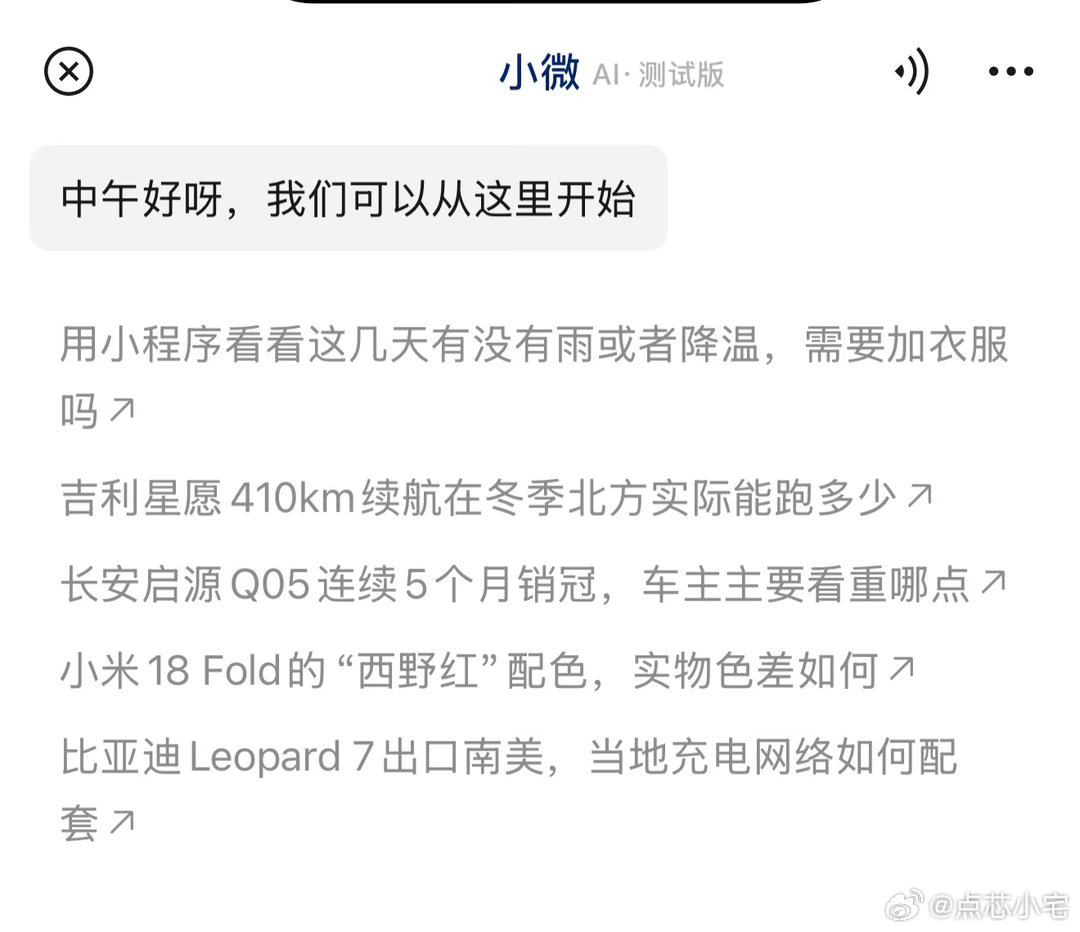
WeChat built its dominance on a promise: what happens in the app stays in the app. Users call it a "private-domain" service (私域社交) — chats that even Tencent says it does not mine. So when China's biggest messaging app began quietly rolling out a built-in AI assistant called Xiaowei, some users asked the obvious question: what has it been reading? This week the question has its own trending topic, #WeChat AI privacy#, on both Weibo and Baidu's hot-search board.
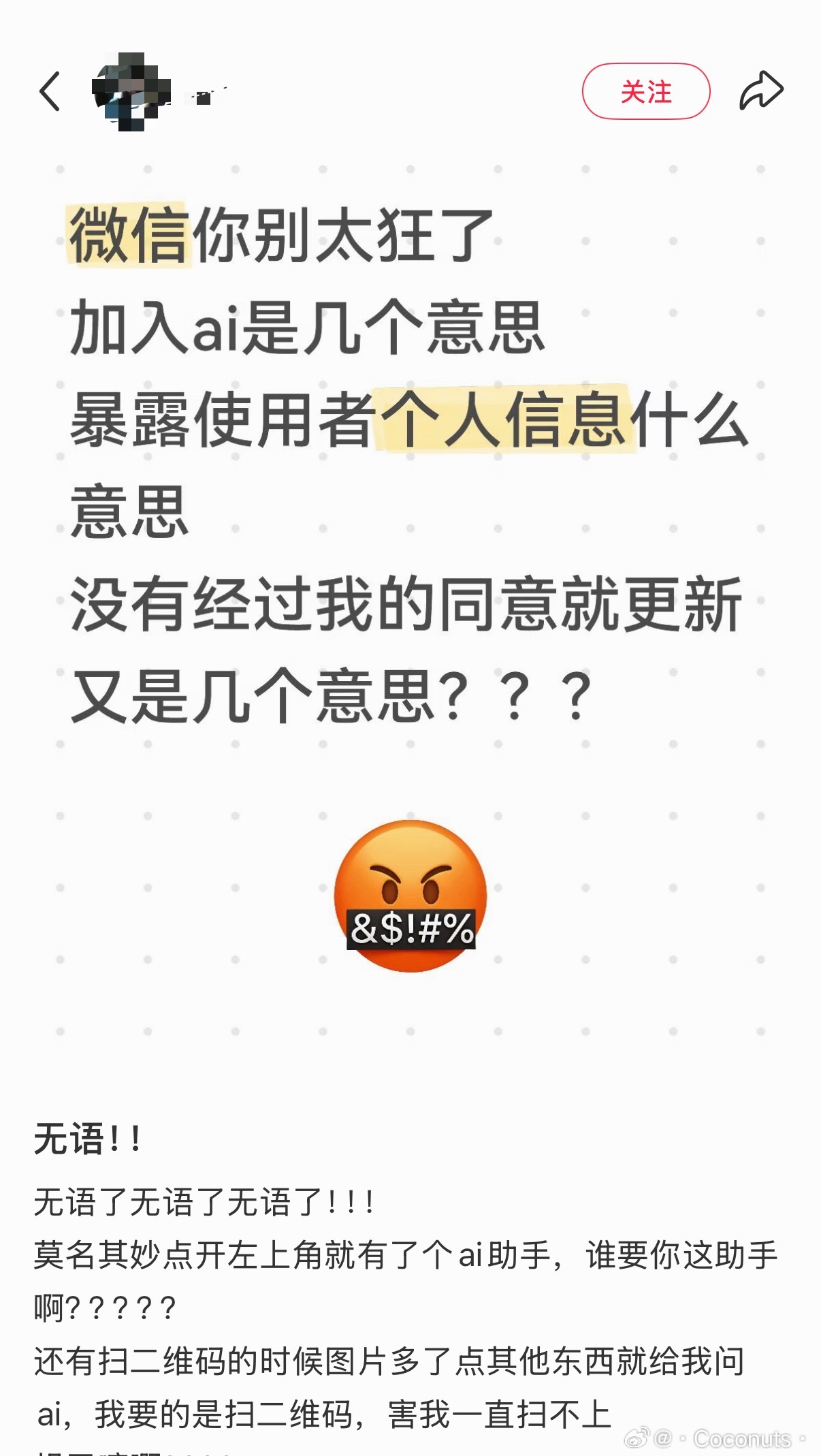
The trigger was discovery, not an announcement. A widely shared post — liked more than 800 times — asked how a private-domain social app could "read even chat records I have deleted," and noted there is no option to turn the assistant off. Another user ran a test: after a few exchanges, Xiaowei already knew about her recent plans and posts. She concluded it had drawn on her recent chats and her WeChat Moments feed. Her verdict echoed across the topic: in this internet era, there is no privacy left — and, she added, Xiaowei cannot currently be disabled at all.
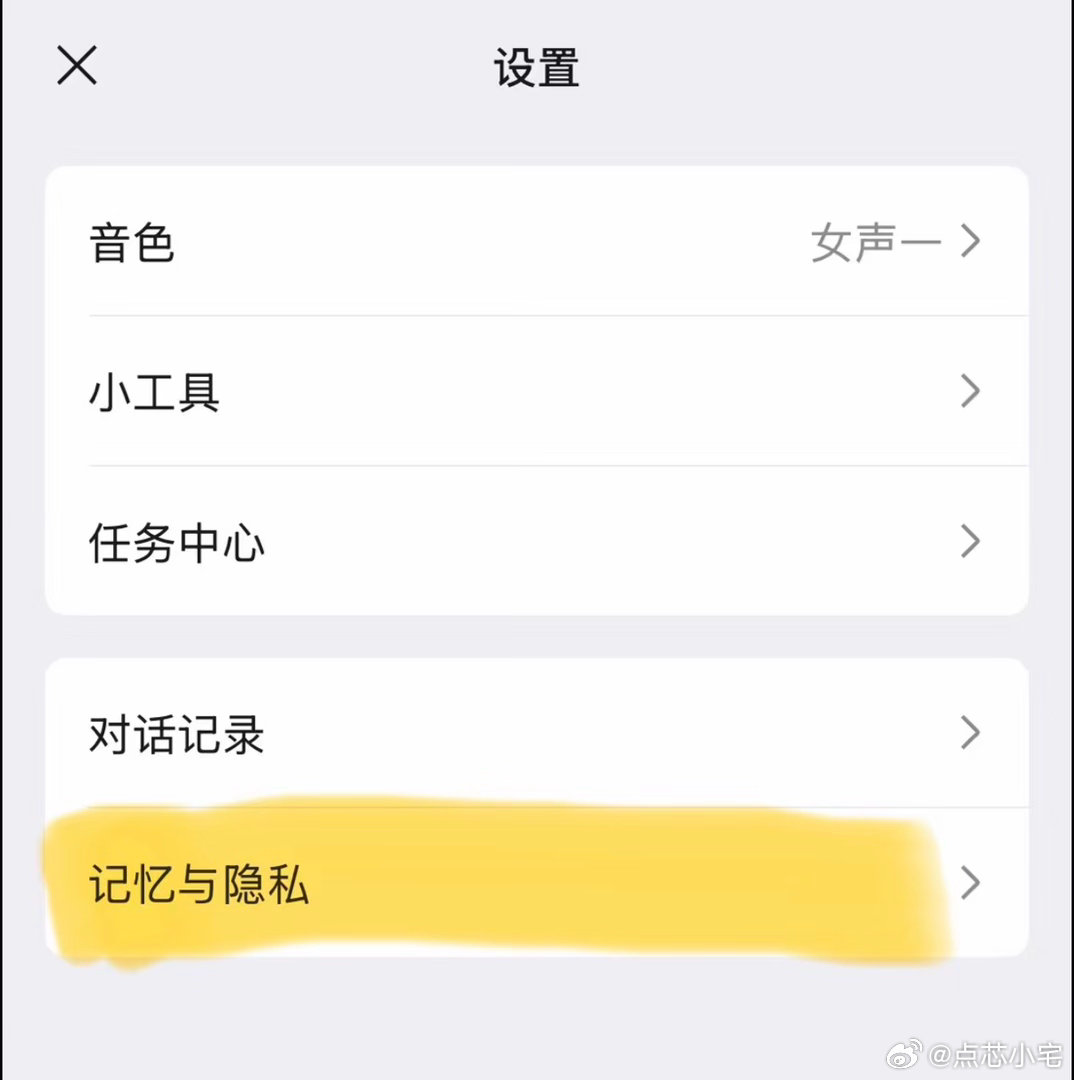
There is a partial workaround, and it has become its own subgenre of posts. The assistant's settings hide a "Memory and Privacy" page where three toggles — memory, personalization and the like — can be switched off. Screenshots of that menu, with the privacy option underlined in thick yellow marker, are how most users are learning the settings exist. The company has not publicly explained which conversations inform the assistant or how long anything is retained.
The pushback lands at a sensitive moment. WeChat is the closest thing China has to a public square crossed with a family living room, and its users' sense that chats are sealed off from advertising and algorithms is part of why they conduct so much of life there. Chinese AI assistants are meanwhile racing into every major app after the wave of chatbots that followed DeepSeek's rise — and regulators have just spent a national cybersecurity awareness week insisting that everyday AI risks, not only state secrets, are where security begins. An assistant that reads a messaging app by default sits squarely on that fault line.
For now, users are voting with their settings pages. The meme circulating under the hashtag makes the point in one line: "Aren't you supposed to be private-domain social software?" Whether WeChat ever offers a true off switch — or simply better disclosure about what Xiaowei reads — will test how much privacy Chinese users can expect from the app they cannot leave.