China's Payment Apps Must Keep Lending Off the Checkout Page
From September 30, new rules require checkout pages in China to separate credit options like Huabei and Baitiao from bank cards and balances — the end of a checkout design that made small borrowing feel like an ordinary way to pay.
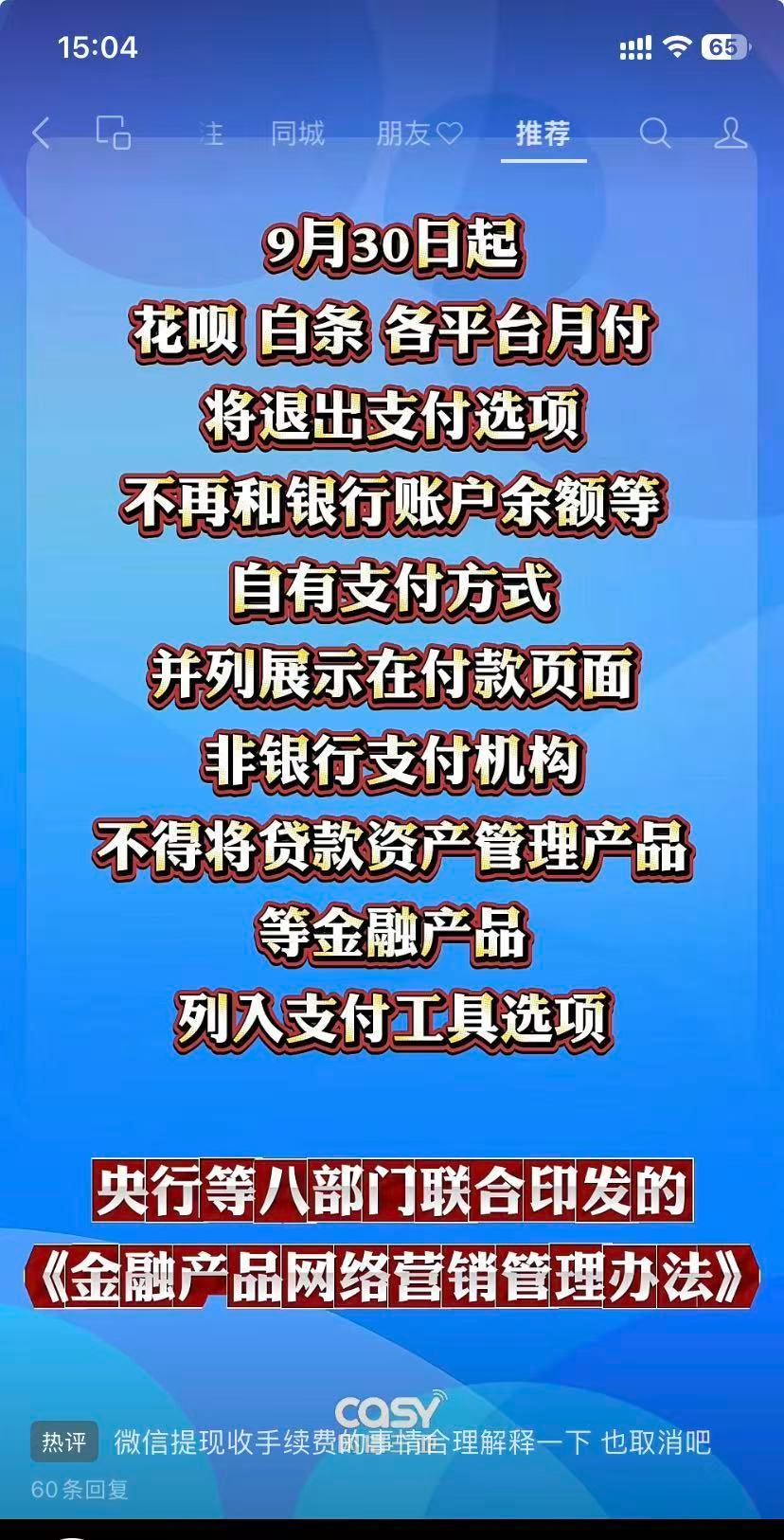
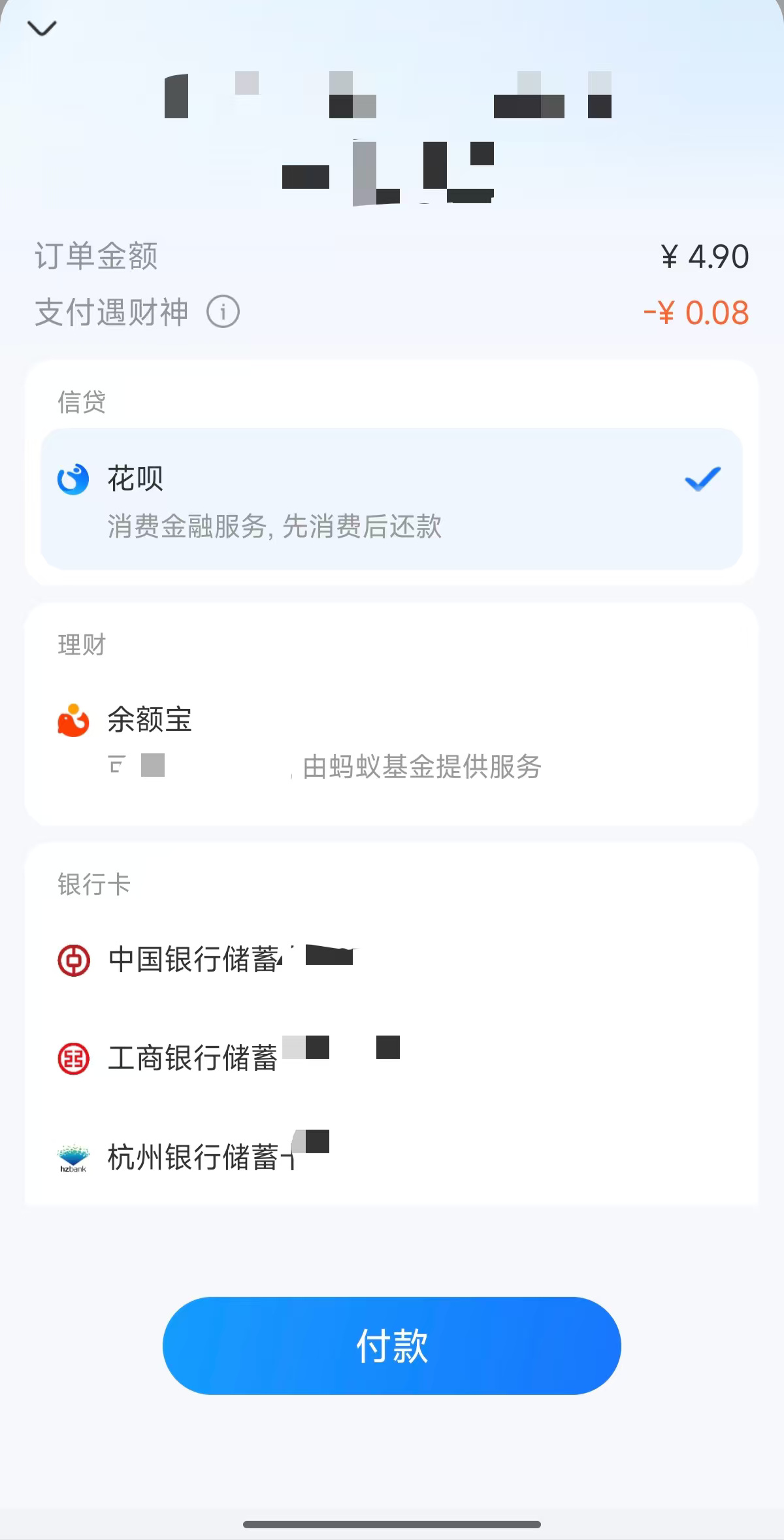
From September 30, tapping "pay" in a Chinese shopping app will look a little different. Under new financial-marketing rules that take effect that day, checkout pages may no longer present credit as if it were cash: Alipay's Huabei, JD.com's Baitiao and a family of similar "monthly pay" services must sit in a clearly labeled lending section, separate from bank cards and account balances. A checkout design that quietly turned small borrowing into a default is being dismantled by regulators.
The rule is the Measures for the Management of Online Marketing of Financial Products, issued by the People's Bank of China together with eight other departments. Its central demand is separation — payment and lending may no longer be mixed on one page, and non-bank payment companies may not dress loan products up as payment tools. In practice, that means a shopper who wants to pay in installments must now go looking for credit, rather than finding it pre-selected next to their own money.
The trending phrase that carried the news — "platform monthly pay will exit payment options" — overstated the change, and the platforms were quick to say so. Yicai reported that Alipay, JD and others all denied that monthly pay was being withdrawn. Rumors that Yu'ebao, Alipay's money-market fund, could no longer be used for everyday spending were debunked too. One of the most-shared explainers on Weibo put the distinction plainly: the products are not going away — payment and lending are simply being displayed apart, so that "before, a careless tap might mean you had borrowed; now you borrow only when you mean to."
That framing found its audience. When the topic reached the top of Weibo's hot search on Tuesday, one user posted the policy graphic with a one-line endorsement — "It should be like this!" — and the post was liked nearly 20,000 times. The most upvoted comment beneath it pointed somewhere else entirely: "Now please explain the WeChat withdrawal fee, reasonably, and cancel that too."
The relief is the residue of a decade in which Chinese payments apps embedded credit into every purchase. Huabei and its rivals grew into some of the country's largest consumer-lending channels by living one tap away from the checkout screen, marketed as a flexible way to pay rather than as debt. That design drew years of criticism from users who discovered installment plans they never meant to open, and it has been a recurring target of a broader regulatory campaign to separate China's payment rails from its lending business. The checkout page, where the two had long been indistinguishable, was the logical place to draw the line.
The story traveled beyond the finance beat — it charted on Baidu's hot search within a day, alongside the debunkings. What happens after September 30 is the part worth watching: whether, forced to choose credit explicitly, Chinese shoppers use it any less.