Nepal Mudslide Buries Buildings at Tibet's Gyirong Border Port
A mudslide that began on the Nepalese side of the border tore through Tibet's Gyirong port area on Aug. 26, burying buildings and cutting the road to the key China-Nepal trade crossing, and President Xi Jinping ordered an all-out rescue. Authorities reported 'major casualties and missing persons' but had yet to release a full count.
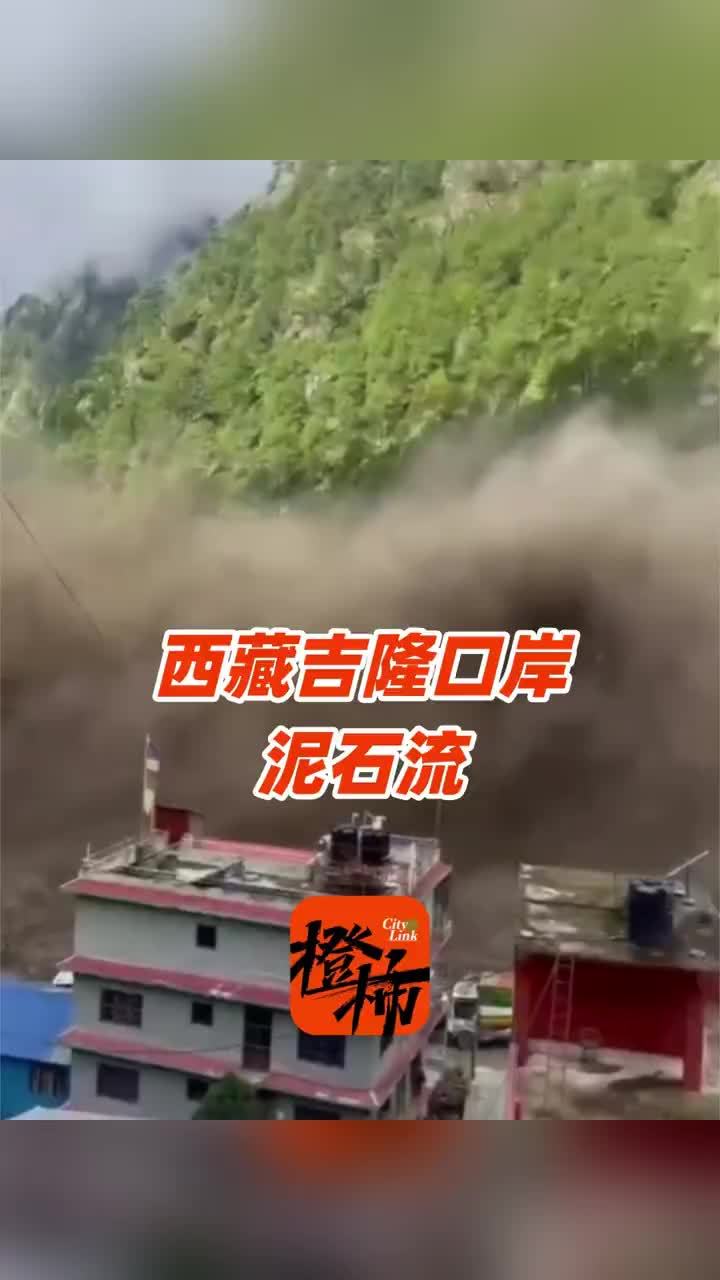
A mudslide that began on the Nepalese side of the border tore through the area around Gyirong port in Tibet's Shigatse prefecture on the morning of Aug. 26, burying buildings and cutting the road into one of China's main overland crossings with Nepal. Officials reported "major casualties and missing persons" but had not released a full count by the evening, as rescue teams struggled to reach the site.
Within hours, President Xi Jinping issued instructions calling the search for the missing "the most urgent task at hand." He directed local authorities to relocate people in the path of danger and treat the injured, while insisting on rigorous monitoring and "scientific rescue" to prevent a secondary disaster. The wording picked up a warning that had circulated just before the slide: after heavy rain, geological hazards often strike "with a time lag," as soil and rock loosen and suddenly let go.
Drone footage from the scene showed mud roaring down a forested mountainside into a cluster of multi-story buildings, debris piled against their walls. The People's Armed Police sent troops from its Shigatse detachment, reporting that the road to the port had been severed and that at least one structure was buried.
Gyirong is far more than a remote checkpoint. Since a 2014 agreement formalized it as a trading route, it has become one of the busiest overland corridors between China and Nepal, carrying a large share of two-way freight as well as a growing stream of tourists and pilgrims moving between Tibet and Kathmandu. Its closure, even briefly, ripples through a region where the monsoon already makes supply lines fragile — a reminder, Chinese state media noted, that this summer's flood season stretches across the plateau as much as the coastal cities more familiar to outsiders.
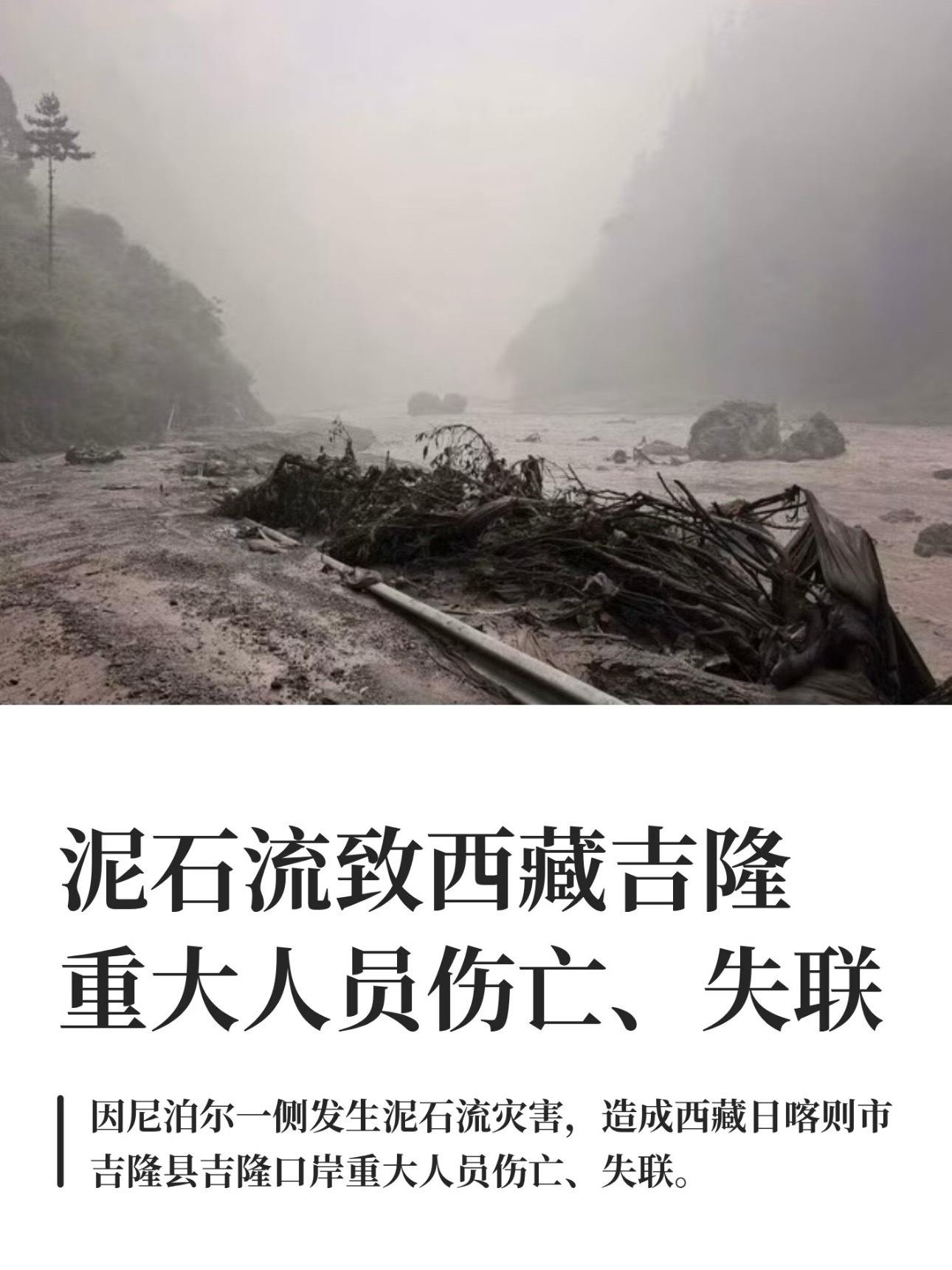
The disaster climbed to the top of China's cross-platform trending lists within hours — second on Baidu — an index of both its human scale and the way a borderland catastrophe becomes national news the moment it draws a direct instruction from the president. On Weibo, where CCTV's bulletin was shared widely, the prevailing response was the anxious goodwill that accompanies any landslide in a country that endures them throughout the summer flood season. "This mudslide is terrifying," one widely reposted message read. "I just hope everyone is safe."