NetEase Cloud Music Removes Zhang Bichen's Original Singer Labels, Sparking Music Copyright Debate in China
The recent controversy surrounding NetEase Cloud Music's decision to temporarily remove Zhang Bichen's original singer labels for three songs has sparked a heated debate among music fans and industry insiders in China. The incident highlights the complexities of music copyright and the ongoing discussion on the definition of "original singer" on music platforms.
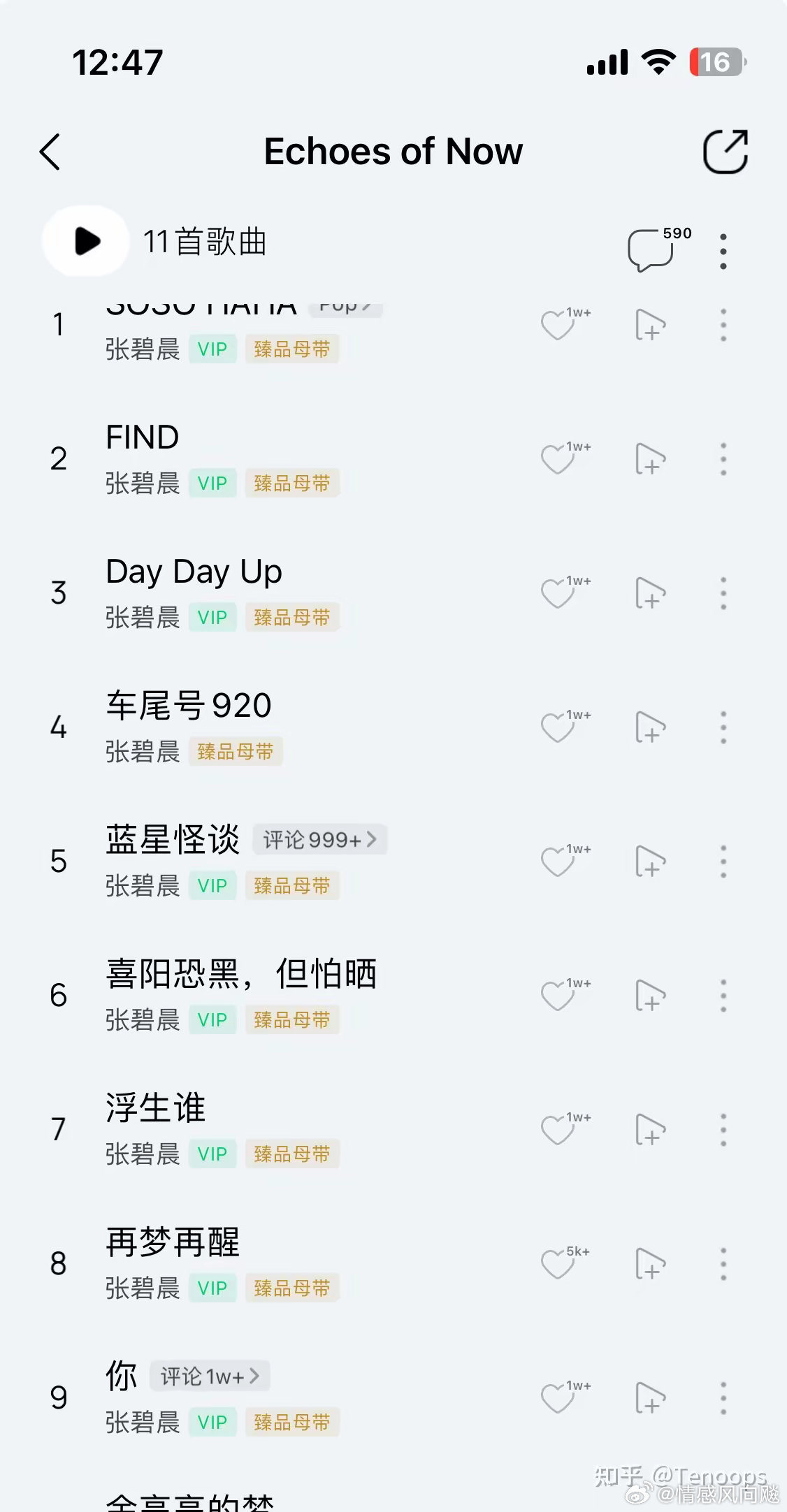
On July 28th, NetEase Cloud Music removed the original singer labels from three songs by Zhang Bichen: "The Ferris Wheel," "Fantasy Zhu Xian," and "Next Second." The songs were written and composed by Wang Sulong. The labels were removed around 5:30 PM CST and restored around 6:20 PM CST, within less than an hour. NetEase Cloud Music customer service stated that the removal was due to a system bug.
The swift reaction on social media, particularly on Weibo, showed confusion and outrage among users, with some questioning the sudden change and others highlighting the importance of original songwriting. The hashtag #网易云取消张碧晨三首歌原唱# (NetEase Cloud Music Cancels Zhang Bichen's Three Songs as Original Singer) trended on Weibo, with users speculating about the implications of the change.
The incident has significant implications for the music industry, social media, and politics. In the music industry, the controversy highlights the ongoing discussion on the definition of "original singer" and the complexities of music copyright. The incident may push music platforms and copyright holders to re-examine and improve their labeling standards, particularly for popular songs with multiple contributors.
The incident also highlights the complex relationship between artists and music platforms. Wang Sulong's decision to retract the copyright for the three songs means that Zhang Bichen may not be able to perform the songs commercially, which could impact her career. This highlights the need for clearer contracts between artists and music platforms, as well as more transparent copyright management mechanisms.
On a social level, the controversy has sparked a heated debate among fans, with some users expressing outrage and others defending the decision. The incident highlights the importance of transparency and accountability in the music industry, as well as the need for fans to understand the complexities of music copyright.
The incident also has broader implications for Chinese society and politics. The controversy may push the government to re-examine its intellectual property laws and regulations, particularly in the context of China's growing cultural industry. The incident may also prompt the government to establish clearer guidelines for the management of online content and social media, particularly in the context of fan culture and online discourse.
In conclusion, the controversy surrounding NetEase Cloud Music's decision to remove Zhang Bichen's original singer labels has significant implications for the music industry, social media, and politics in China. The incident highlights the complexities of music copyright and the ongoing discussion on the definition of "original singer" on music platforms. It also underscores the need for transparency, accountability, and clearer regulations in the music industry, as well as the importance of understanding the complexities of music copyright among fans and the broader public.