New Graduate Rejects High-Paying Job Over Single Rest Day Policy
New Graduate Refuses High-Paying Job Due to Single Rest Days Policy, HR Responds In a recent turn of events in China's job market, a new graduate has gained significant attention after turning down a job offer with an annual salary of 110,000 RMB (approximately $17,000) due to the company's single rest day policy.
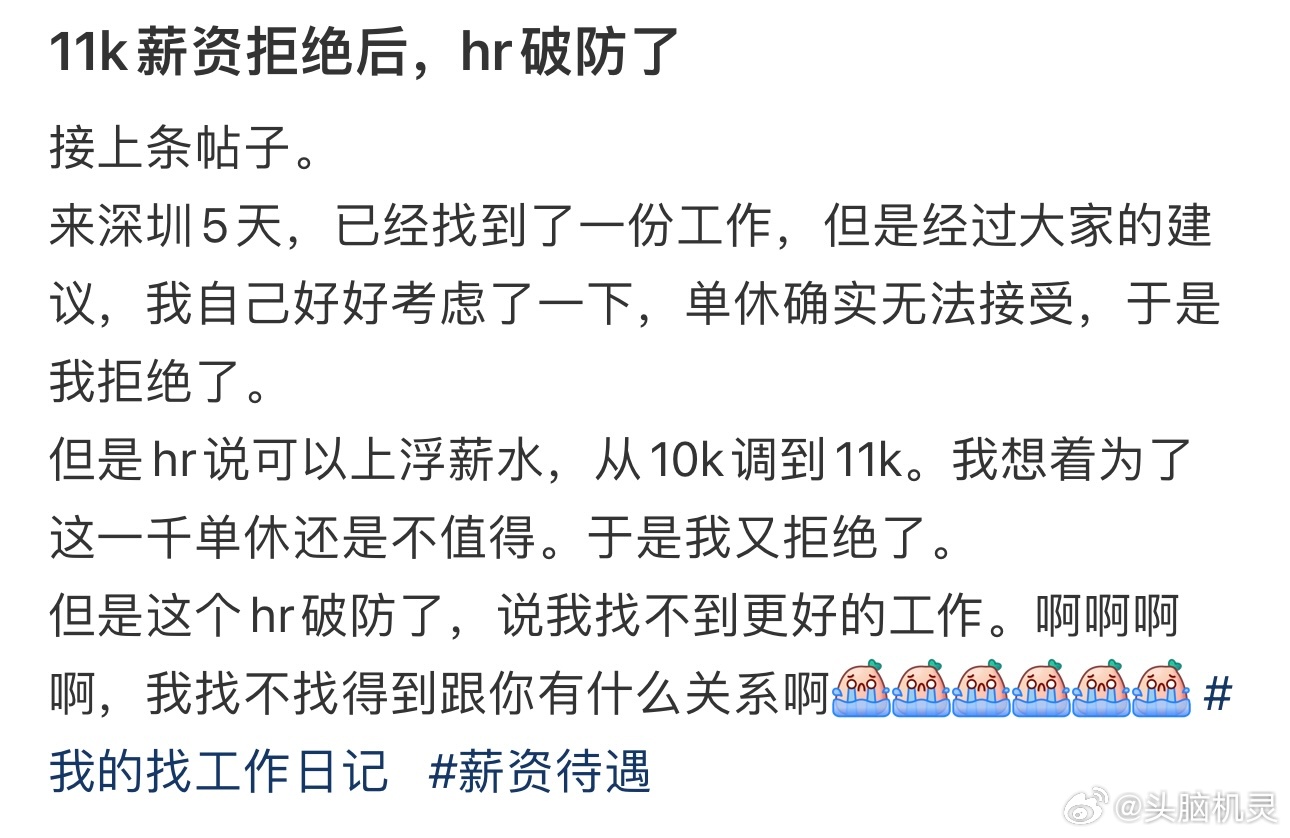
The graduate's decision has sparked a nationwide debate on social media platforms, particularly Weibo, where users have been sharing their opinions and experiences on dual and single rest days. The graduate, who posted their story on Weibo, has chosen to remain anonymous.
The graduate revealed that they had attended multiple interviews in Shenzhen and finally landed a job offer after only five days. The initial job offer was appealing, with a salary of 100,000 RMB per year, plus the possibility of an additional salary increase to 110,000 RMB. However, the graduate, after careful consideration and taking the advice of others, chose to decline the offer due to the company's single rest day policy, also known as the "one day off a week" policy. The graduate explained, "I refused the 110,000 RMB salary because of the single rest day policy.
I couldn't accept it. However, the HR told me that they could negotiate a rise in my salary from 100,000 RMB to 110,000 RMB. But I felt like the extra 1,000 RMB wasn't worth giving up my weekends." The HR then became frustrated with the graduate's decision and told them that they would struggle to find a better job offer.
Dual and single rest days have become a hot topic in China's job market, with many workers, particularly those in the technology industry, expressing their preference for dual rest days. In recent years, the government has been implementing policies to encourage companies to provide dual rest days to help improve workers' quality of life and work-life balance.
However, some companies still opt for single rest day policies, believing it to be more cost-effective. The graduate's situation has sparked a debate on Weibo, with users discussing the pros and cons of dual and single rest days. Some users have criticized the graduate for turning down a high-paying job offer, while others have praised them for standing up for their rights and valuing their work-life balance. One user said, "I understand refusing the job offer because of the single rest day policy, but what about when the HR tried to negotiate a rise in salary?
Why didn't they clearly state their expectations from the beginning?" Another user questioned the graduate's decision to attend the interview in the first place, knowing their stance on single rest day policies. They said, "Why go to the interview if you know you can't accept the single rest day policy? If you knew you wanted dual rest days, why not make that clear from the start and avoid wasting everyone's time?"
The debate has extended into discussions on the importance of communication between job seekers and employers. One user advised job seekers to be clear about their expectations and desired working conditions from the beginning to avoid misunderstandings and disappointment. They said, "It's not just about the salary but also about the work conditions. You need to be clear about what you want and what you can't accept from the start."
The graduate's story is just one example of the challenges faced by employees in balancing work and personal life. As the debate on work-life balance continues, employees will need to make tough choices, prioritizing their health and well-being over financial compensation. In today's fast-paced and competitive job market, striking a balance between work and life has become more critical than ever.