How 'Only I Dress Sloppily at Work' Became China's Workplace Wardrobe Meme
A Weibo user's post comparing her own casual clothes with the crisp outfits of colleagues and delivery riders went viral, churning up a quiet conversation about workplace dress codes, professional 'face', and the uniforms that structure Chinese working life.
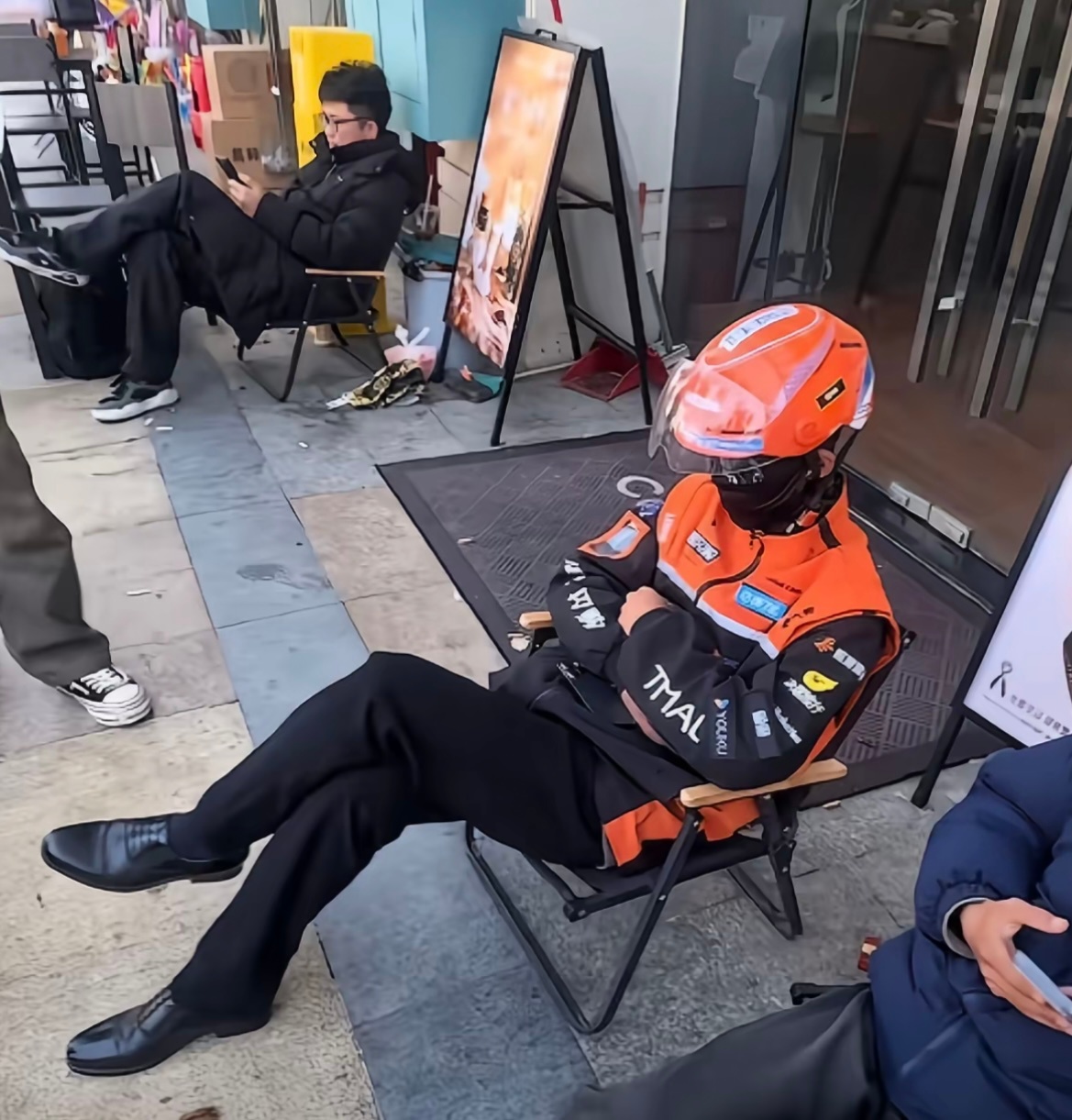
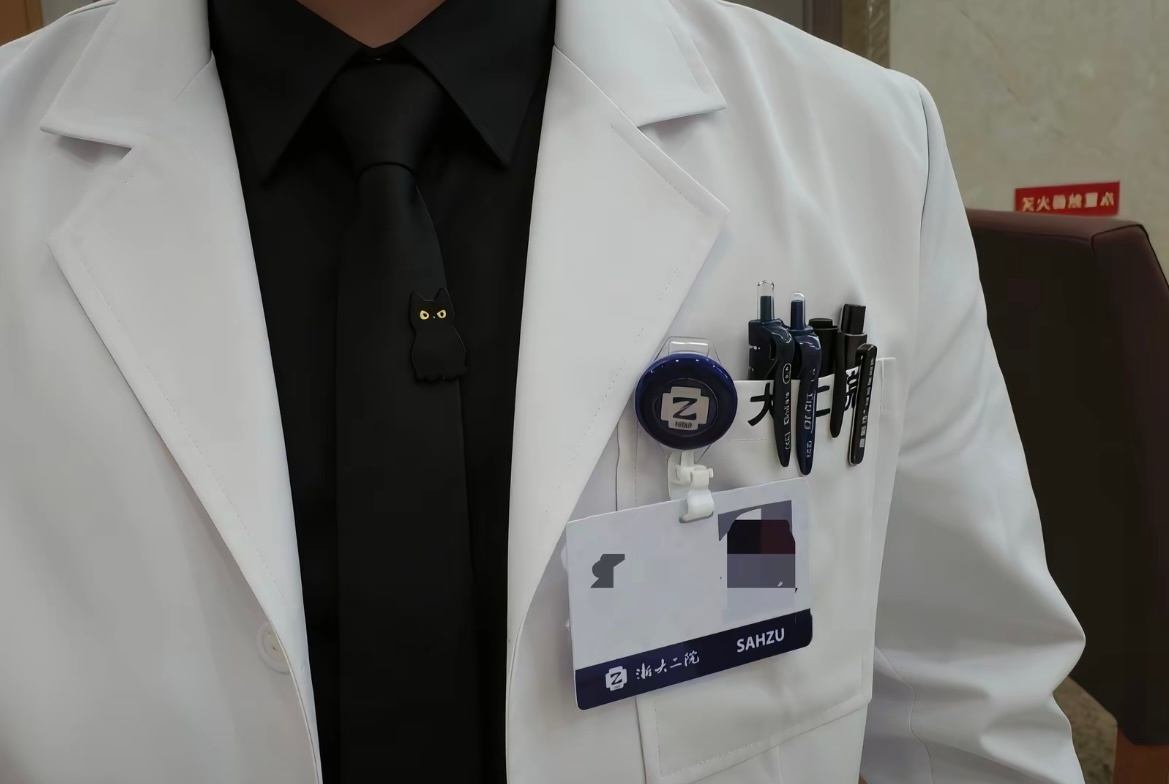
It started, as many Chinese workplace confessions do, with a carousel of photographs and a complaint that was really a compliment. On Weibo, a user shared nine pictures of people she knows at work — a doctor in a white coat with pens clipped to the chest pocket, a Meituan delivery rider in a bright orange uniform, a colleague in a pressed shirt — and wrote: “会不会有点太体面了?原来只有我上班在乱穿” (“Isn’t this a bit too put-together? So it was only me who shows up to work in a mess.”).
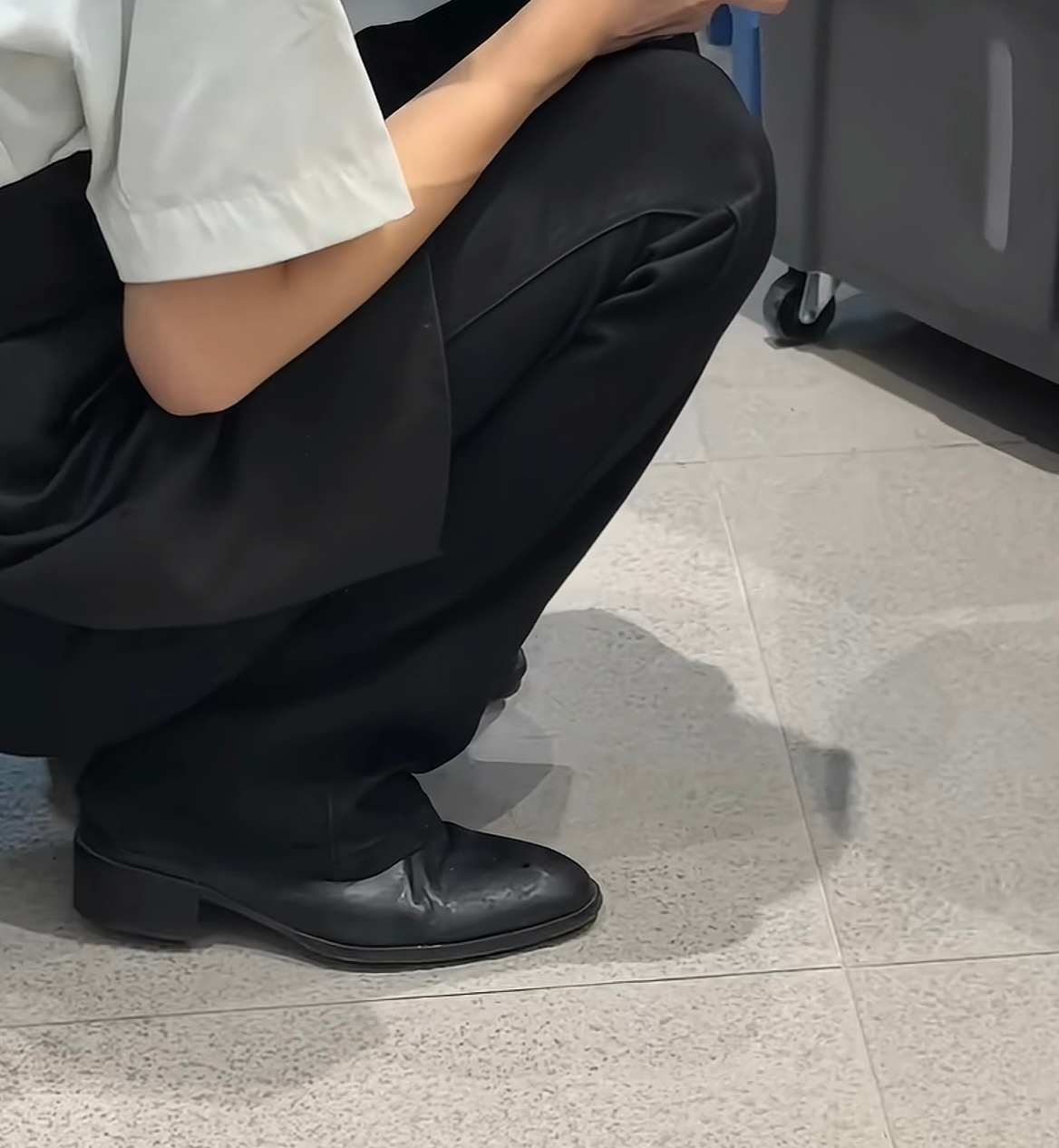
体面 (tǐmiàn) is one of those Chinese words that bundles dignity, respectability and a certain visual correctness into a single package. Showing up 体面 means your clothes, your posture and your manner all say that you take the situation seriously. The post, liked more than 2,600 times, was not glamorous. It showed the quiet precision of everyday Chinese working life: a doctor’s white coat with a neat row of pens, the spotless orange of a platform rider’s uniform, a worker in a white shirt crouching on a tile floor without a wrinkle out of place.
The post resonated because it reversed a familiar anxiety. In Chinese offices, 班味 (bānwèi, literally “workplace smell”) has become a popular pejorative for the tired, rumpled look of someone ground down by their job. Dressing well for work is often read as proof of status — a manager, a professional, someone whose labor is mental rather than manual. The joke beneath the user’s capsule was that everyone around her seemed to have cracked the code, while she was still pulling on the first thing she found.
The irony cuts both ways. For workers in rigid uniforms — delivery riders in bright vests, nurses in scrubs, bank tellers in identical suits — the meme was a chance to show off gear that costs nothing to choose. For office staff asked to dress “smart-casual” but never told exactly what that means, it captured the quieter anxiety of not quite knowing the rules. A crisply dressed colleague can feel like a silent rebuke.
For an international reader, the meme is a small reminder that workplace dress is never just about clothes. In China, where uniforms still organize daily life from delivery platforms to hospitals to school gates, how you appear at work is a statement about where you sit in the system. The joke that “only I dress sloppily” is really a meditation on how much quiet performance goes into looking like you belong — and how quickly a shared photograph can turn that performance into a mirror.