“Peace Doves Get Paid”: Chinese Dove Release Sparks Viral “Doves Have Salaries” Trend on Weibo
When the State Council announced that the ceremonial release of “peace doves” would be part of this year’s national celebrations, few people imagined that the feathered ambassadors of harmony would become a talking point on China’s busiest social‑media platform. Within hours of the event’s rehearsal on September 3, 2025, the phrase “和平鸽也有工资” – literally, “peace doves also have salaries” – exploded across Weibo, racking up nearly half a million mentions and climbing to the top‑twenty trending topics.
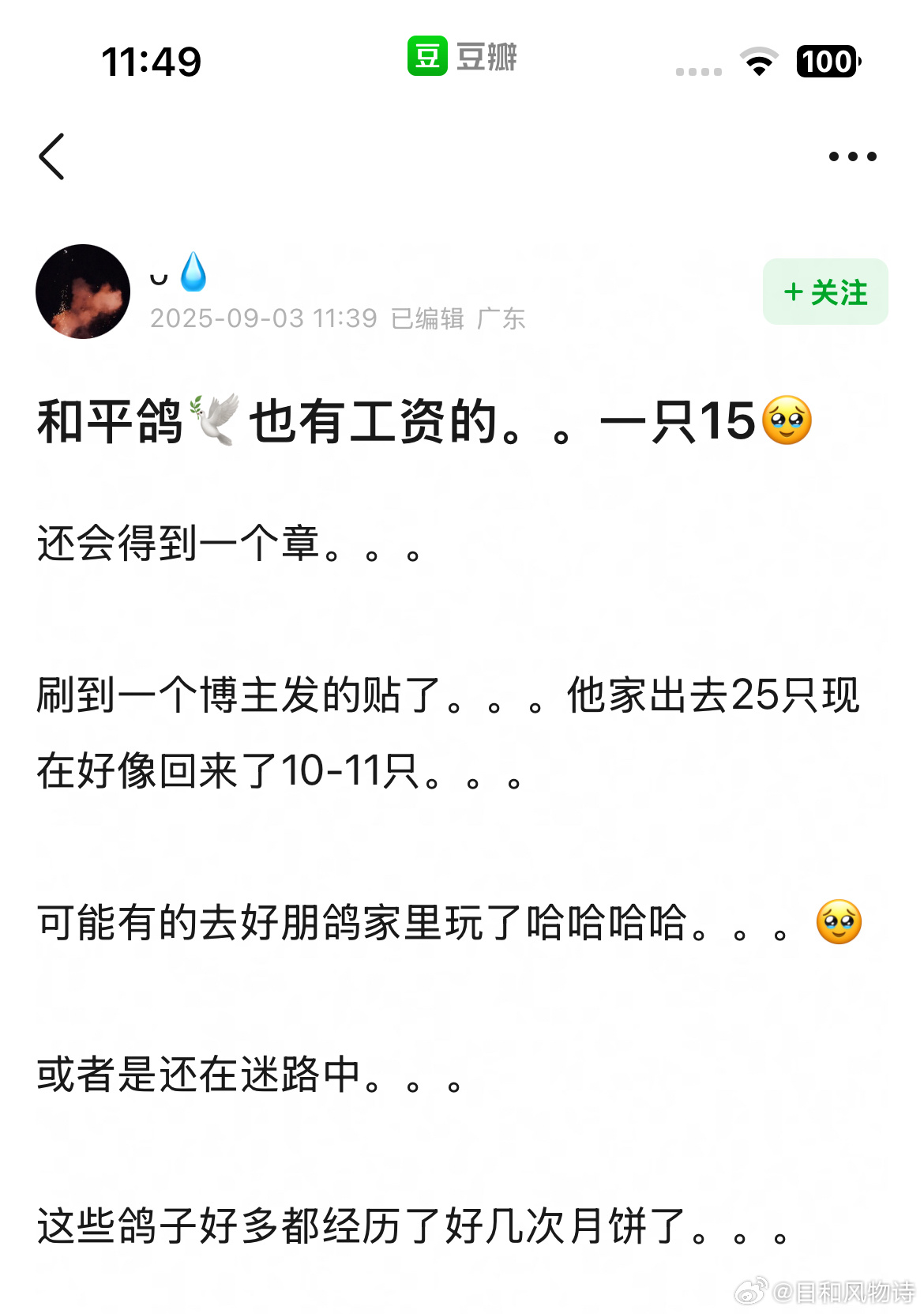
The story began as officials prepared for a large‑scale dove release in Beijing, a spectacle meant to underscore themes of reconciliation and stability. What quickly emerged from the rehearsal grounds was a detail that struck many netizens as both absurd and oddly reassuring: each bird would receive a 15‑renminbi (about US$2.10) stipend, together with a commemorative stamp, for its participation. In addition, the owners of the birds – hobbyists and professional pigeon‑breeders who have spent years cultivating birds that can fly in coordinated patterns – were promised a modest cash subsidy and an honor certificate.
One Weibo user who posted a photo of a wooden crate filled with white doves captioned the image, “Our 25 peace doves are ready – 10 have already flown back, the rest waiting for their 15 RMB passports.” A reply thread swelled with jokes about “paying the birds” and more serious commentary on the hidden labor behind spectacles that usually appear effortless. By the end of the day, the hashtag #和平鸽也有工资 had been used in more than 479,000 posts, making it the 19th most‑discussed topic on the platform that week.
The monetary token is tiny by any professional standard, but its symbolic weight is considerable. In a country where state‑sponsored events are meticulously choreographed, the acknowledgment that even symbolic fauna receive a stipend underscores the extent of governmental planning. “It’s not about the money,” said Li Ming, a veteran organizer of large‑scale public ceremonies. “It’s about recognizing every contribution, no matter how small, to the national narrative.” The honor certificate that accompanies the cash payment is a non‑monetary badge of patriotism, a nod to civic participation that aligns with the party’s long‑standing emphasis on collective identity.
For the niche industry of pigeon breeding, the announcement has been a mixed blessing. The market for ceremonial birds has always existed on the periphery of hobbyist circles, with enthusiasts spending years perfecting flight patterns, homing instincts, and temperament. Formalizing a subsidy, however modest, elevates the practice from a pastime to a recognized component of state ritual. “Now we can keep a few more birds in the loft without worrying about the cost of feeding them for a month,” said Zhao Wei, who runs a small pigeon‑training operation in Hebei province. “The stamp and the certificate also give us a sense of belonging to something larger than our own hobby.”
Social media users have taken the phrase in several directions. Some have embraced the humor, posting memes of doves clutching tiny paychecks or wearing miniature office badges. Others have used the moment to reflect on broader economic anxieties. “If the government can pay a pigeon, why can’t it pay the teachers?” one user wrote, sparking a brief but lively debate about wage disparity. Still, the majority of comments retained a light‑hearted tone, treating the news as a quirky footnote rather than a political indictment.
Analysts see the trend as part of a broader pattern of the Chinese state making visible, tangible gestures toward ordinary citizens to reinforce loyalty. By distributing honor certificates alongside cash subsidies, officials create a low‑stakes avenue for public participation in national symbolism. The “pay the dove” narrative dovetails with previous campaigns that awarded small stipends to volunteers at community events, reinforcing the idea that every individual—human or avian—has a role in the nation’s story.
The phenomenon also highlights the speed and breadth of digital discourse in contemporary China. Within 24 hours, a detail that might have been confined to an internal memo was amplified by millions of netizens, examined by journalists, and turned into a cultural reference point. The rapid spread illustrates how modern communication platforms can transform a seemingly mundane administrative decision into a flashpoint of public conversation.
As the doves take flight over the capital later this week, their tiny stipends will likely be forgotten, but the phrase “peace doves also have salaries” will linger in the collective memory as a reminder that even the most symbolic gestures are underpinned by human labor, bureaucracy, and a dash of humor. For observers outside China, the episode offers a vivid snapshot of how statecraft, tradition, and social media intersect in today’s tightly choreographed public life.