Power‑Bank Fire Delays Xiamen Airlines Flight, Prompting Calls for Tougher Battery Safety Rules
Xiamen Airlines’ flight MF8086 from Dalian to Nanjing was delayed on the morning of 28 August 2025 after a passenger’s portable charger ignited in the cabin just before take‑off. The fire, which produced a visible plume of smoke, was contained quickly by the crew and airline staff, and the aircraft departed later that day without injury to anyone on board. A video of the incident, shared by a netizen on social media, sparked a wave of commentary about the growing safety risks posed by power banks on aircraft.
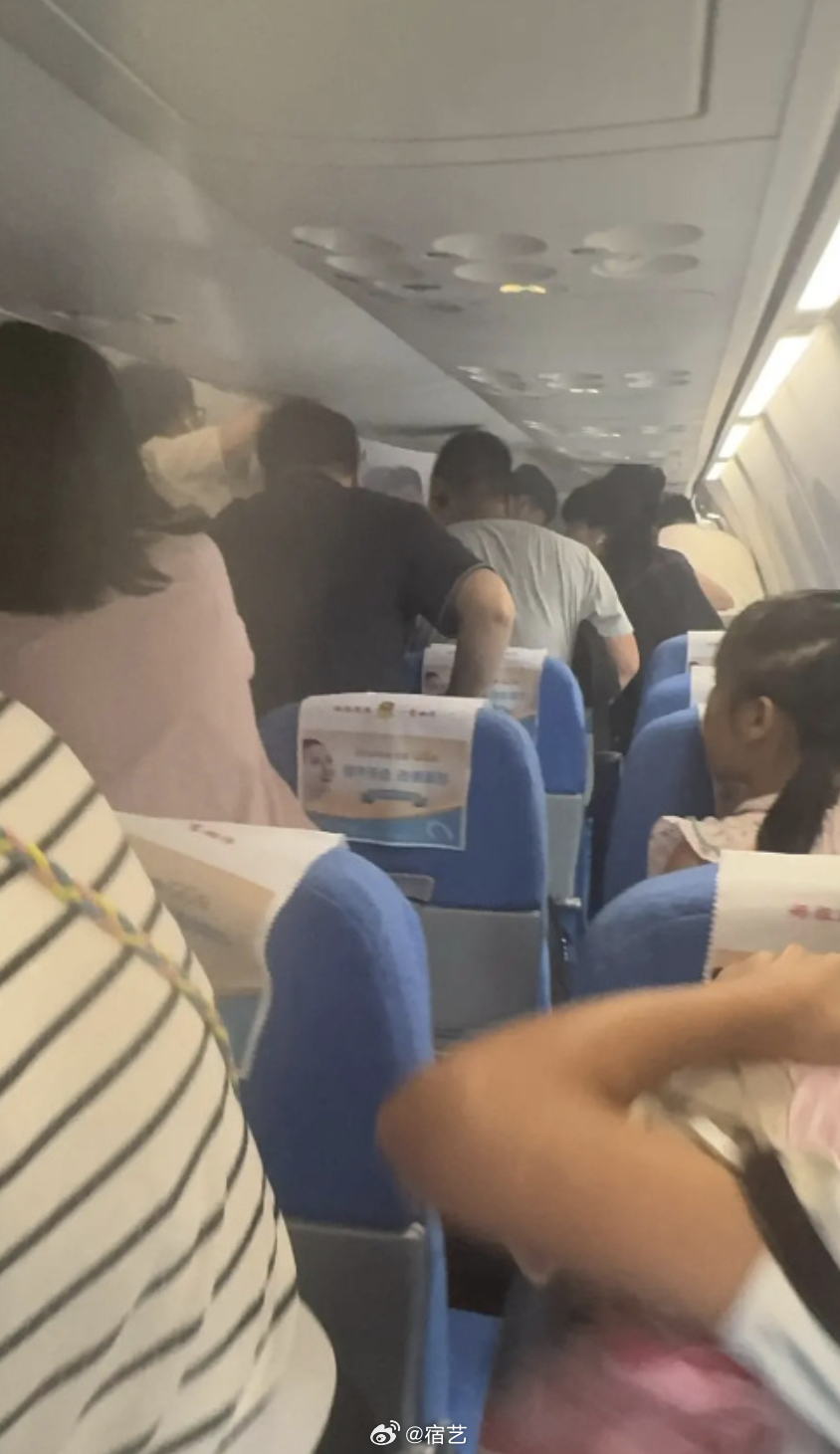
The airline confirmed that its personnel responded promptly, extinguished the blaze and followed standard emergency procedures before allowing the flight to resume. While the delay was relatively brief, the episode has reignited public concern over the prevalence of lithium‑ion battery fires in confined spaces and the adequacy of existing regulations.
China’s civil aviation regulator, the Civil Aviation Administration of China (CAAC), has already been tightening rules around the carriage of portable chargers. Effective 28 June 2025, all power banks carried on domestic flights must bear a clear 3C safety certification. Devices lacking the mark or that have been recalled are prohibited. Power banks may only be stowed in hand luggage; they are not allowed in checked baggage. Those with a rated energy of less than 100 Wh may be carried without special permission, while units between 100 Wh and 160 Wh require airline approval and are limited to two per passenger. Anything above 160 Wh is strictly forbidden.
Fire officials say the most common triggers for power‑bank fires are over‑charging—particularly in low‑quality chargers that lack protective circuits—physical damage such as drops or punctures that compromise internal cells, and exposure to high temperatures or inadequate heat dissipation. The department’s outreach campaign, amplified by the recent Xiamen Airlines incident, urges travellers to verify that their chargers meet the certification requirements, to keep them in the cabin where they can be monitored, and to avoid using damaged or counterfeit devices.
Social media reaction to the Dalian‑Nanjing delay has been mixed but leans heavily toward calls for stricter enforcement. Users expressed alarm at the sight of smoke filling an aircraft cabin and underscored the need for passengers to adhere to safety guidelines. Many echoed the fire department’s explanations, noting that over‑charging and physical impact are preventable if travellers use reputable, certified chargers and handle them with care. The episode also revived discussion of previous incidents on other Chinese carriers, including China Southern, Eastern and Sichuan Airlines, where similar power‑bank mishaps led to delays and, in some cases, investigations.
No individual has been singled out as the “owner” of the offending device, but airline staff—including cabin crew and ground personnel—were credited with averting a larger emergency. Police and public security officials were reportedly involved in the follow‑up, ensuring compliance with the new CAAC rules and assessing whether any legal action was warranted.
Overall, the incident has reinforced a growing consensus that as portable electronics become ever more ubiquitous, the aviation industry must keep pace with safety standards. The CAAC’s upcoming certification mandate, combined with heightened public awareness, aims to reduce the likelihood of fire‑related disruptions and safeguard the integrity of air travel.