Rap Rivalry Sparks Broader Debate Over Authenticity and Censorship in Chinese Music Scene
A heated dispute has erupted within the Chinese rap scene, pitting rapper SASI against another artist known as Tuzi, which translates to "bald man" or "baldy." The conflict appears to stem from disagreements over artistic and professional grievances, with SASI calling out Tuzi for lacking originality and authenticity in his music.
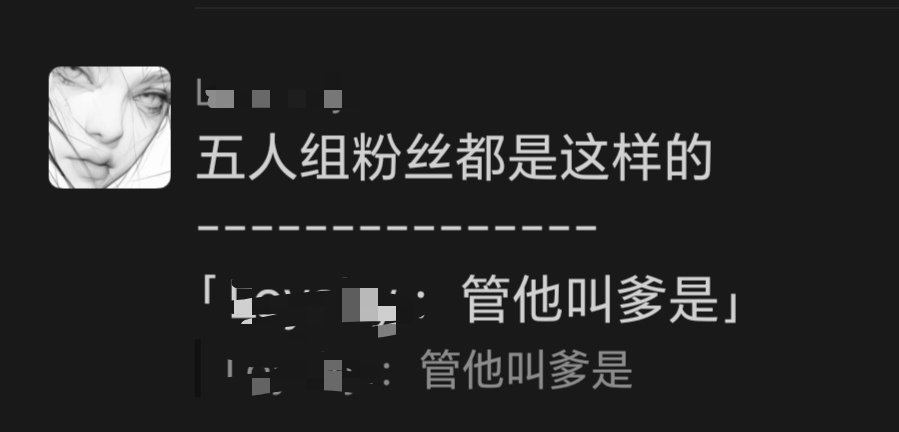
One post on Weibo suggests that SASI is challenging Tuzi to use his talents and commercial success to replace what SASI perceives as fake and imitative artists in the market. Instead, SASI accuses Tuzi of merely "spraying useless words" and failing to bring meaningful change to the status quo.
The dispute has sparked a broader debate about the values and principles guiding the rap industry. Some fans have expressed support for SASI's stance, urging Tuzi to focus on creating original work rather than simply criticizing others. Others have suggested that the entire incident may be a publicity stunt designed to generate buzz for an upcoming album.
The conflict between SASI and Tuzi is not an isolated incident, as Tuzi has also been involved in public disputes with other rappers, including APMozart and TopBarry. These beefs are a common feature of the global rap scene, often used by artists to vent frustrations and showcase their lyrical prowess.
However, the very public nature of these disputes in China raises questions about the potential for government scrutiny and regulation. The Chinese government has a history of intervening in cultural spheres to promote "positive" values and suppress content deemed undesirable or disruptive.
The incident has also highlighted issues of online morality and cyberbullying, as fans and uninvolved parties take sides and engage in public feuds. The public disputes involving SASI's ex-girlfriends have also touched on gender dynamics, revenge, and the ethics of airing personal grievances online.
While the "SASI vs. Tuzi" conflict may seem trivial on the surface, it serves as a microcosm reflecting broader societal trends and the complex dynamics at play within the entertainment industry. The incident highlights the ever-present, albeit often indirect, hand of state control over public discourse and cultural expression in China.
As the Chinese rap scene continues to evolve, it remains to be seen how this conflict will play out and what implications it may have for the industry and society as a whole. One thing is certain, however: the "SASI vs. Tuzi" beef has generated significant buzz and attention, shining a spotlight on the complex and often contentious world of Chinese rap.