Russia's Conditions for Ceasefire in Ukraine
According to reports from the French news agency, Agence France-Presse (AFP), on February 24, Russian Foreign Minister Sergey Lavrov announced that Russia would stop fighting in Ukraine if negotiations with the US on ending the war were successful. Lavrov stated that if the talks yielded tangible and lasting results for the Russian Federation, Russia would cease hostilities. The conditions set by Moscow for a ceasefire include the surrender of the Ukrainian military, the complete or partial surrender of five regions by Kyiv, and Ukraine's declaration that it will not join NATO. Additionally, Russia demands the establishment of a new government in Ukraine that advocates for "denazification."
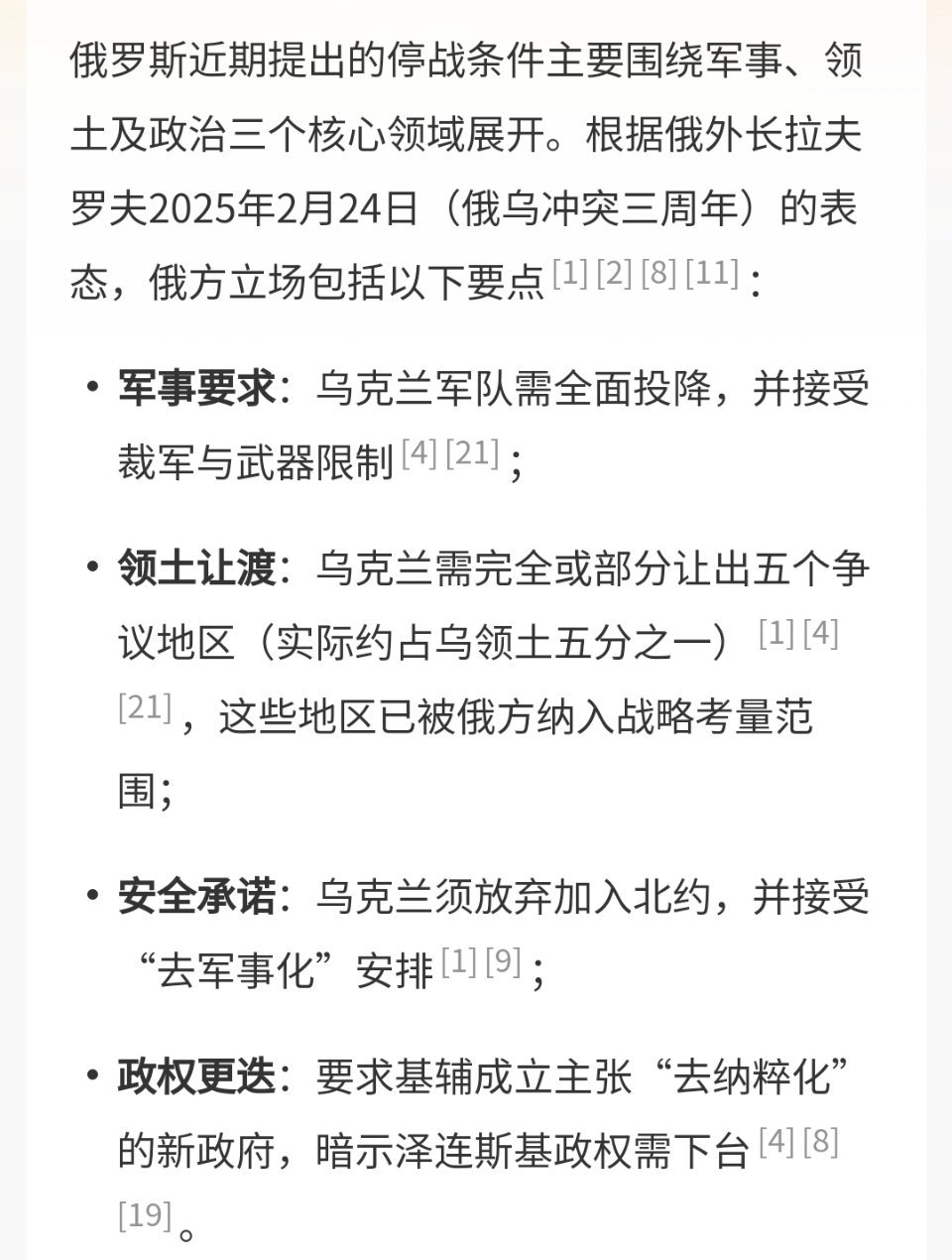
Lavrov attributed the confidence in these conditions to the shift in the US stance following Donald Trump's return to power. Trump recently delivered a speech criticizing Kyiv, but expressed a willingness to reconcile with Russian President Vladimir Putin. The Kremlin's expectations for these conditions to be met are partly driven by the perceived change in the US position under Trump's leadership. The US and Russia have initiated dialogue, particularly on conflict resolution, but Ukraine and Europe have not been invited to participate in these talks.
As the conflict between Russia and Ukraine marks its three-year anniversary, a significant shift in the dynamics of the war has emerged. The United States and Russia have begun to engage in dialogue, with a focus on finding a resolution to the conflict. This development has sparked concerns that Russia may be pivoting towards the United States, potentially altering the balance of power in the region. However, experts argue that this is an unfounded concern, as Russian President Vladimir Putin has reiterated that developing relations with China is a long-term strategic choice, unaffected by short-term events or external factors.
The recent talks between the US and Russia have centered on finding a mutually acceptable solution to the conflict. Russian Foreign Minister Sergey Lavrov has stated that if the negotiations yield tangible and lasting results, Russia will cease its military operations in Ukraine. Moscow's demands include the surrender of Ukrainian forces, the relinquishing of control over five regions, and Ukraine's commitment to not joining NATO. The Kremlin's hopes for a resolution have been bolstered by the changing stance of the United States under President Donald Trump, who has recently criticized Ukraine while adopting a more conciliatory tone towards Putin.
The international community is watching closely, with many countries providing aid and support to Ukraine. Ukrainian President Volodymyr Zelensky indicated that he would be willing to resign or use his resignation as a bargaining chip for Ukraine's membership in NATO if it would bring about peace. The situation remains complex, with multiple parties and interests at play, and the path to a resolution remains uncertain. Experts say that the Russian demands are maximalist and unrealistic, and that Ukraine is unlikely to agree to surrender or withdraw from its own territory. The international community should be supporting Ukraine's right to self-defense and territorial integrity, not pressuring it to make concessions to Russia.
The US and Europe have been providing military and economic aid to Ukraine, and have imposed sanctions on Russia in response to its actions. However, some experts argue that more needs to be done to support Ukraine and to pressure Russia to negotiate a peaceful resolution to the conflict. The international community needs to take a stronger stance against Russian aggression and support Ukraine's right to self-defense, including providing more military aid, imposing tougher sanctions on Russia, and pushing for a diplomatic solution that respects Ukraine's sovereignty and territorial integrity. Overall, the conflict between Russia and Ukraine is complex and multifaceted, and a peaceful resolution will require a sustained effort from the international community to support Ukraine and to pressure Russia to negotiate in good faith.